.svg)
1. About the Project
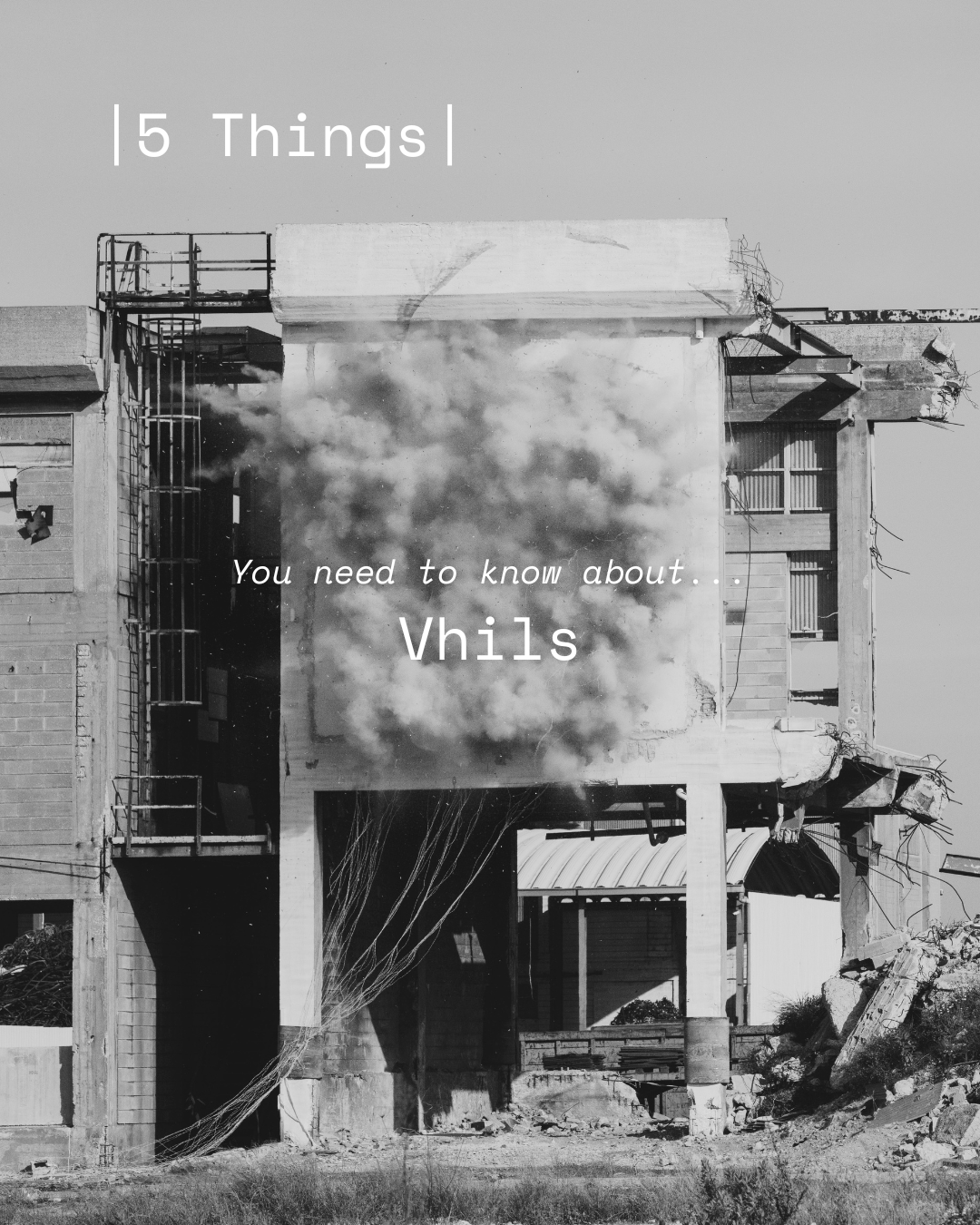
Presented by Eterno at NFC Lisbon, this showcase highlights one of the most recognizable aspects of Vhils' artistic practice: the explosion.
Over the past two decades, Vhils has developed a unique visual language centered on revealing rather than adding. Through controlled detonations, carving, drilling, and material removal, he uncovers portraits and traces hidden within urban surfaces. His work transforms walls, metal, concrete, and industrial materials into archives of memory, identity, and place.
This presentation focuses specifically on the explosion, a gesture that has become one of the defining elements of his practice. Featuring Ignition #1 and Rust Belt, the showcase offers collectors the opportunity to engage with both the action itself and its aftermath through two complementary works.
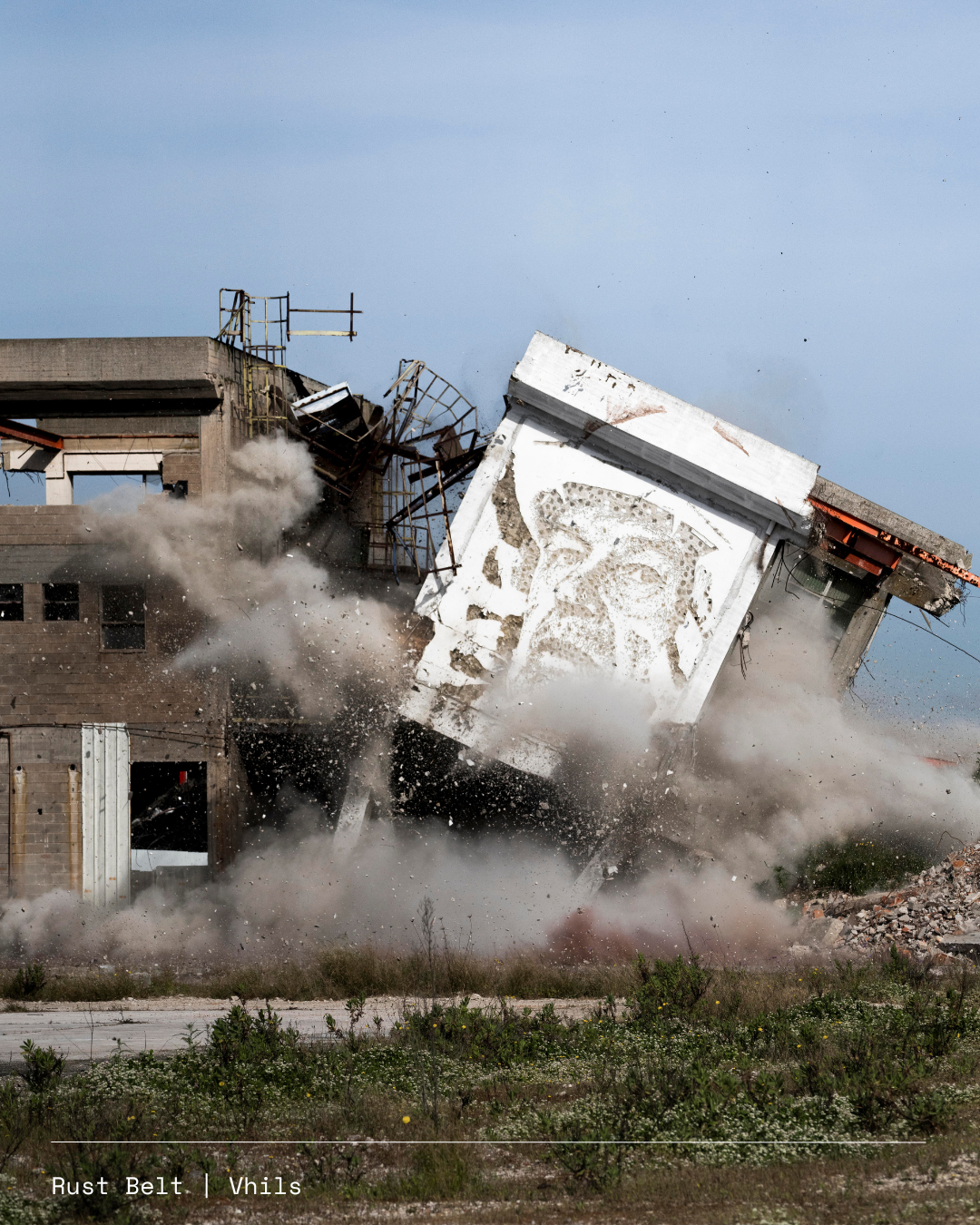
Rather than presenting an explosion as an act of destruction, Vhils uses it as a tool of revelation. What emerges from the blast is not chaos, but an image, a story, or a hidden layer that was already present beneath the surface.
2. What Makes It Unique
For Vhils, the explosion is much more than a technical process.
It embodies one of the central ideas running through his entire body of work: that creation and destruction are inseparable forces. Every image emerges through removal. Every portrait appears because material has been taken away.
This approach stands in contrast to many artistic traditions that focus on accumulation, construction, or addition. Vhils instead works through subtraction. Walls become canvases by losing material. Metal surfaces become images through erosion. The act of destruction becomes a form of drawing.
His work is also deeply connected to the city. Urban environments constantly change through construction, demolition, growth, and decay. By using techniques that physically alter surfaces, Vhils reflects these cycles of transformation and invites viewers to see cities as living archives carrying traces of the people who inhabit them.
The explosion works capture this philosophy in its most concentrated form. A split-second detonation becomes an image that can be contemplated for years.
3. How the Drop Works
The showcase presents two works that explore different dimensions of the same artistic language.
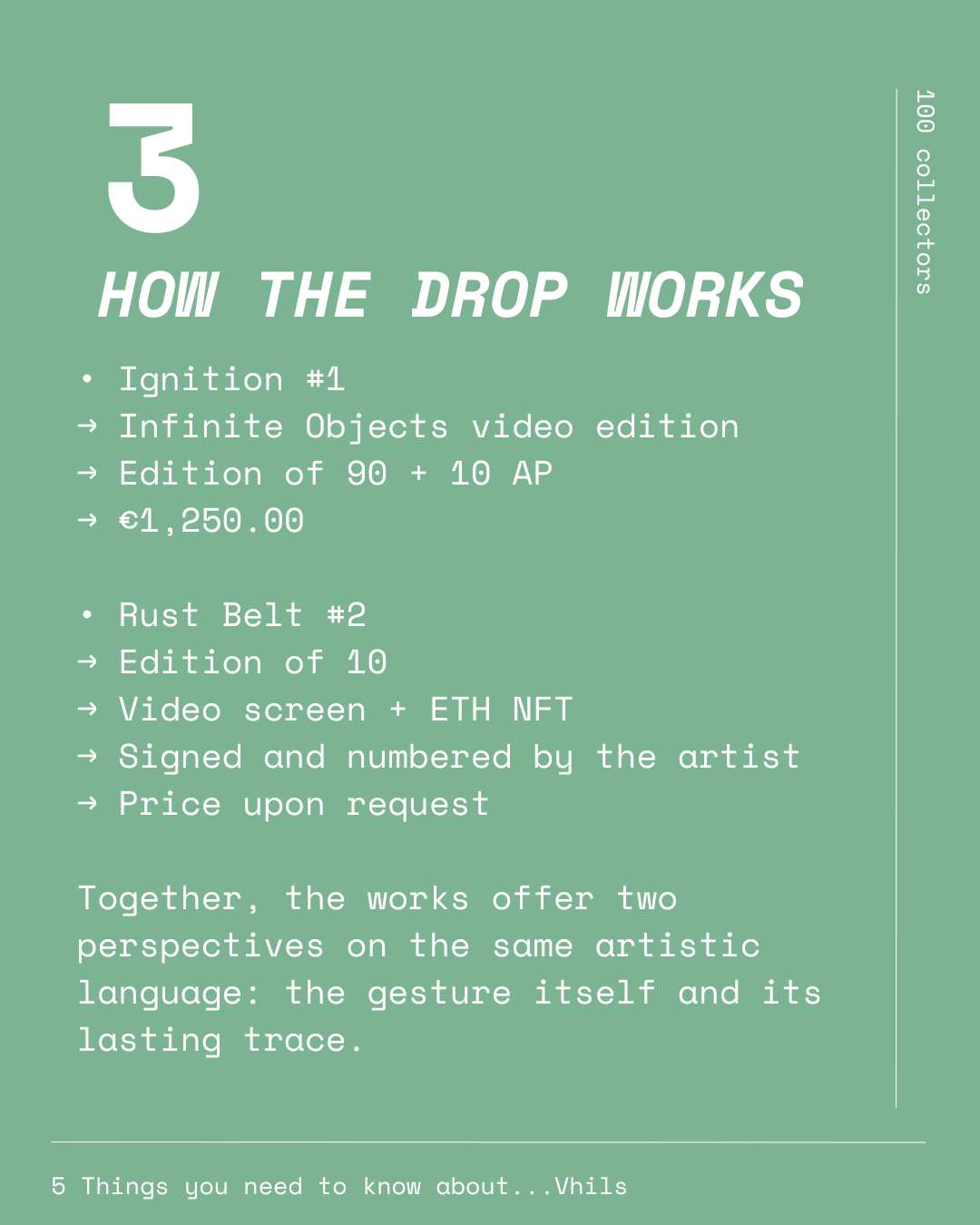
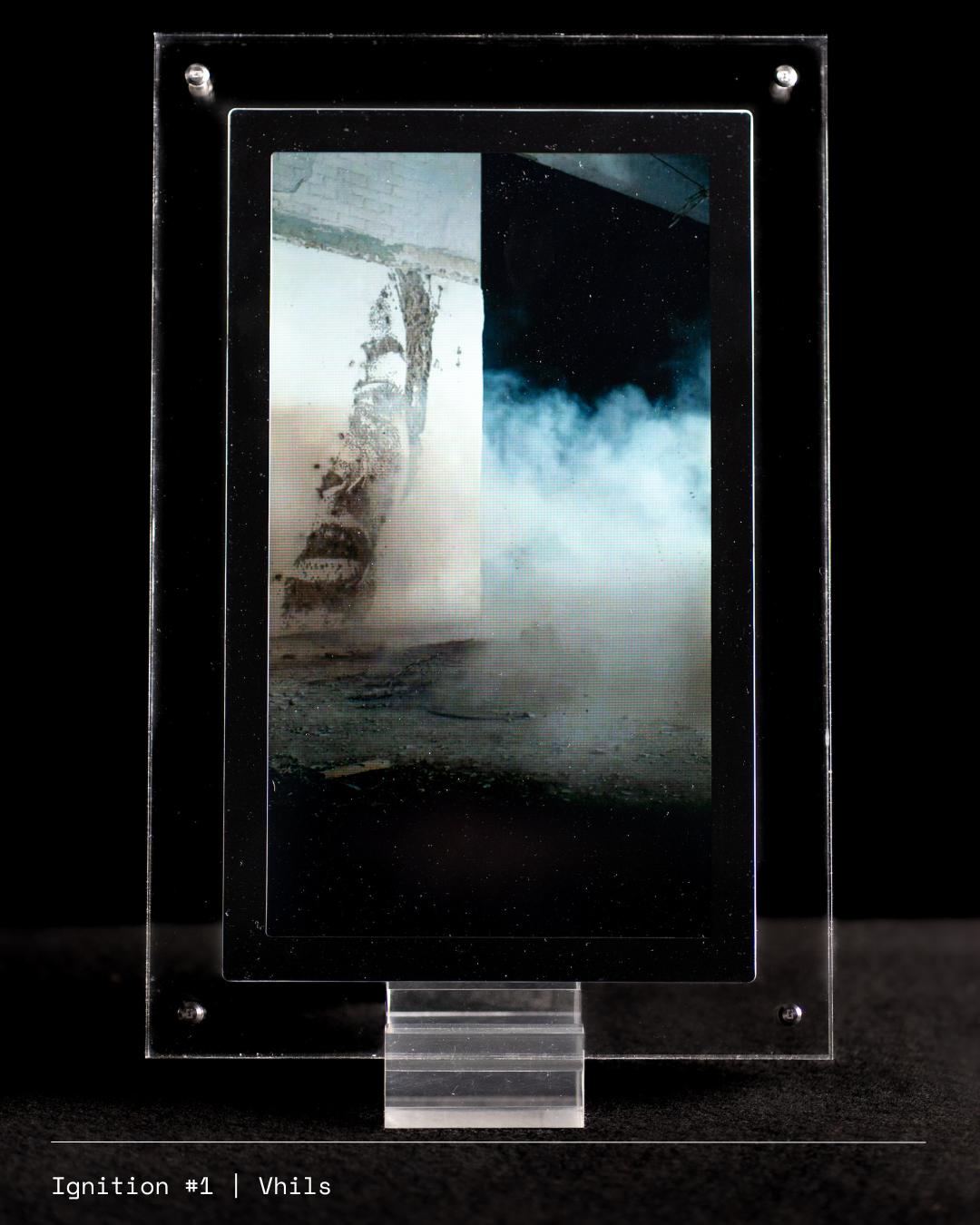
Ignition #1
- Infinite Objects video edition
- Edition of 90 + 10 AP
- €1,250
Ignition #1 focuses on the explosive event itself. The work captures the moment of detonation, preserving an action that normally exists for only a fraction of a second. Through video, collectors can repeatedly return to this fleeting instant of transformation.
Rust Belt
- Edition of 10
- Video screen + Ethereum NFT
- Signed and numbered by the artist
- Price upon request
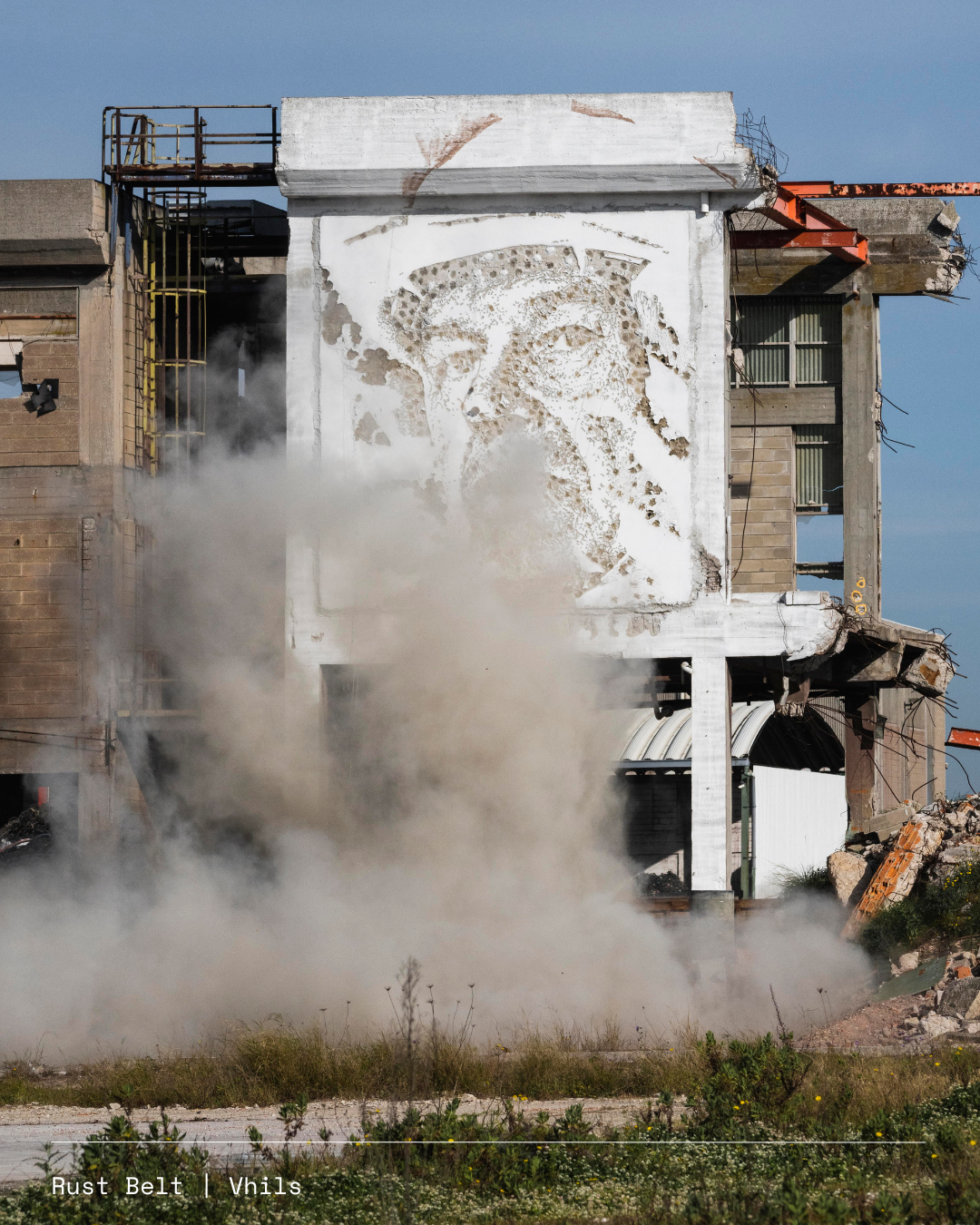
Rust Belt shifts attention from the action to its trace. The work reflects on what remains after the explosion, examining the altered surface and the image revealed through the process.
Together, the two works provide complementary perspectives on the same artistic gesture. One captures the explosive act. The other focuses on its lasting consequence. Viewed together, they offer a deeper understanding of how Vhils transforms destruction into image-making.
4. Why Collectors Should Care
The explosion technique is not a side project within Vhils' practice. It is one of the foundations upon which his international reputation has been built.
Over the years, Vhils has used this language across public interventions, museum exhibitions, large-scale commissions, and institutional projects around the world. His works can be found in cities across Europe, Asia, North and South America, making him one of the most recognized contemporary artists working with urban surfaces today.
For collectors, these editions offer access to a process that is central to the artist's practice rather than peripheral to it.
They also provide something relatively rare in contemporary art: the opportunity to collect the artistic gesture itself. Many artworks present only the final result. These works bring collectors closer to the moment of creation, allowing them to witness the transformation that produces the image.
The works are particularly significant because they preserve an event that is otherwise impossible to experience repeatedly. The explosion happens once. The artwork makes it accessible again and again.
5. Personal Recommendation
"To me, these are some of the most poetic works in Vhils' practice.
They capture something our eyes can barely hold onto: an instant that exists for only a fraction of a second before disappearing forever.
By recording the explosion itself, the works preserve the ephemeral and transform it into something we can return to again and again.
They remind us that some of the most meaningful moments in life are also the most fleeting. These works give form to that paradox."
— Pauline Foessel
Keep in Mind
1. A signature technique at the core of Vhils' practice
The explosion is one of the artist's most recognizable and influential artistic gestures.
2. Images revealed through controlled detonations
Rather than destroying for destruction's sake, Vhils uses explosions to uncover hidden images and stories.
3. The city understood as a layered archive
His works explore how urban surfaces carry memory, identity, and traces of human experience.
4. Art that captures a fleeting moment of transformation
The works preserve an event that lasts only an instant but carries lasting meaning.
5. A rare opportunity to collect the process, not just the result
These editions bring collectors closer to the act of creation itself, offering access to a defining aspect of Vhils' artistic language.