.svg)
The story of AI and art is no longer a story about what is coming. What seemed like a radical experiment in 2018, a speculative market in 2021, and a cultural flashpoint in 2023 is now an established chapter in art history: one still being written.
THE LONG PROLOGUE
The idea of a machine that creates did not begin with a neural network or a text prompt. It began with a question that has followed every major technological shift in art: does the tool make the artist, or does the artist make the tool?
Artists have always been the first to take new technologies seriously: not for their practical uses, but for what they reveal about human creativity itself. The Impressionists moved outdoors because tube paint finally made it possible. The generative artists of the 1960s turned to computers before anyone thought to call it art. AI is no different.
Early Computer Art - 1960s to 1970s
The first generation of computer artists did not wait for AI. They built their own tools.
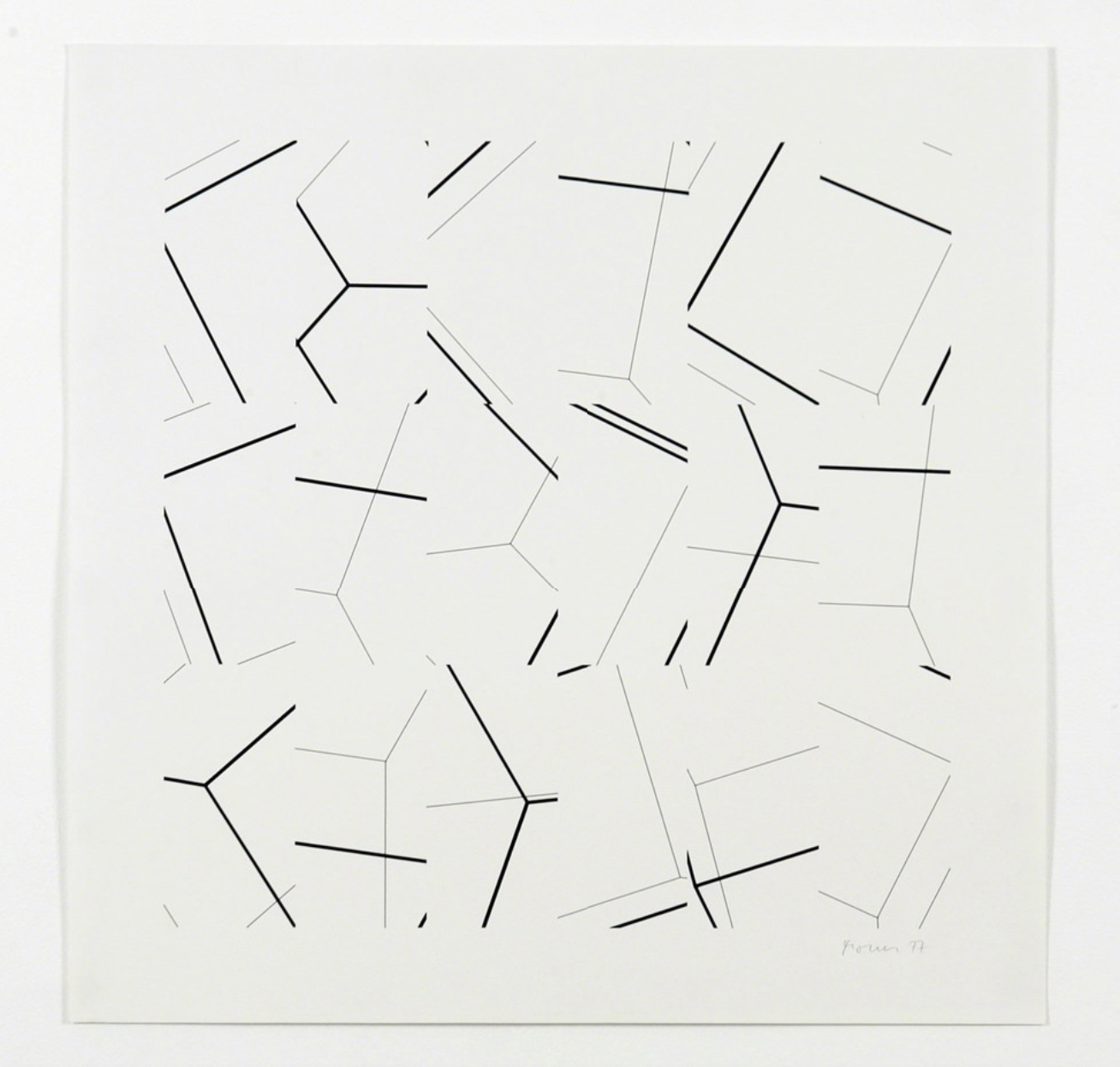
Harold Cohen, Frieder Nake, Vera Molnár, and Manfred Mohr were among the pioneers who used algorithms and plotters to generate work. They were not interested in making computers do what humans already did. They wanted to understand what new questions the machine could pose. Mohr's geometric investigations of hypercubes, for instance, are as much philosophy as image-making.
The questions these artists asked (about randomness, rules, and the line between human intention and machine output) are still the central questions of the field.
Fractal Art - 1980s
When mathematician Benoît Mandelbrot formalized fractal geometry in the late 1970s, artists immediately recognized its potential. Fractal art introduced a generation to the idea that mathematical processes could produce genuinely beautiful, surprising results — and that the artist's role was to set the conditions, not draw every line.

Evolutionary Art - 1990s
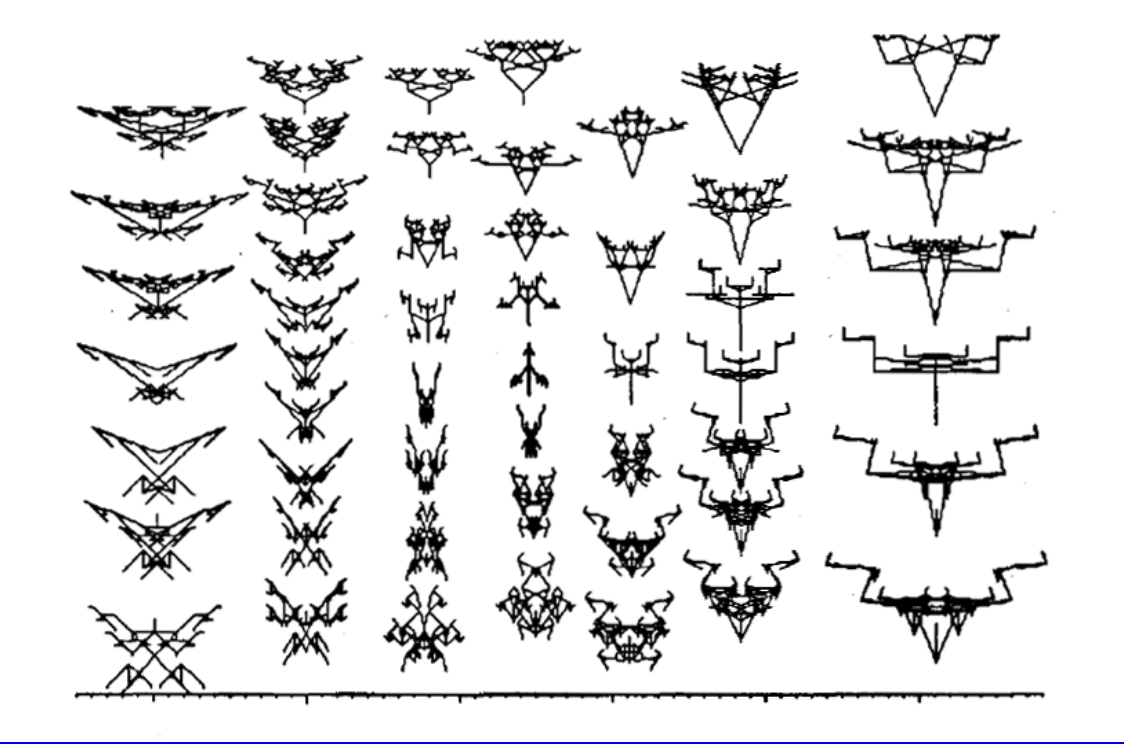
In the 1990s, artists began working with genetic algorithms: programs that generate variations, select the most promising ones, and repeat. The work borrowed its logic from biology. Populations of images would evolve across generations, shaped by parameters the artist defined. The results were often strange; the methodology was serious. It established a vocabulary (fitness, mutation, selection) that AI artists would carry forward.
Neural Networks and Deep Learning - 2000s to 2010s
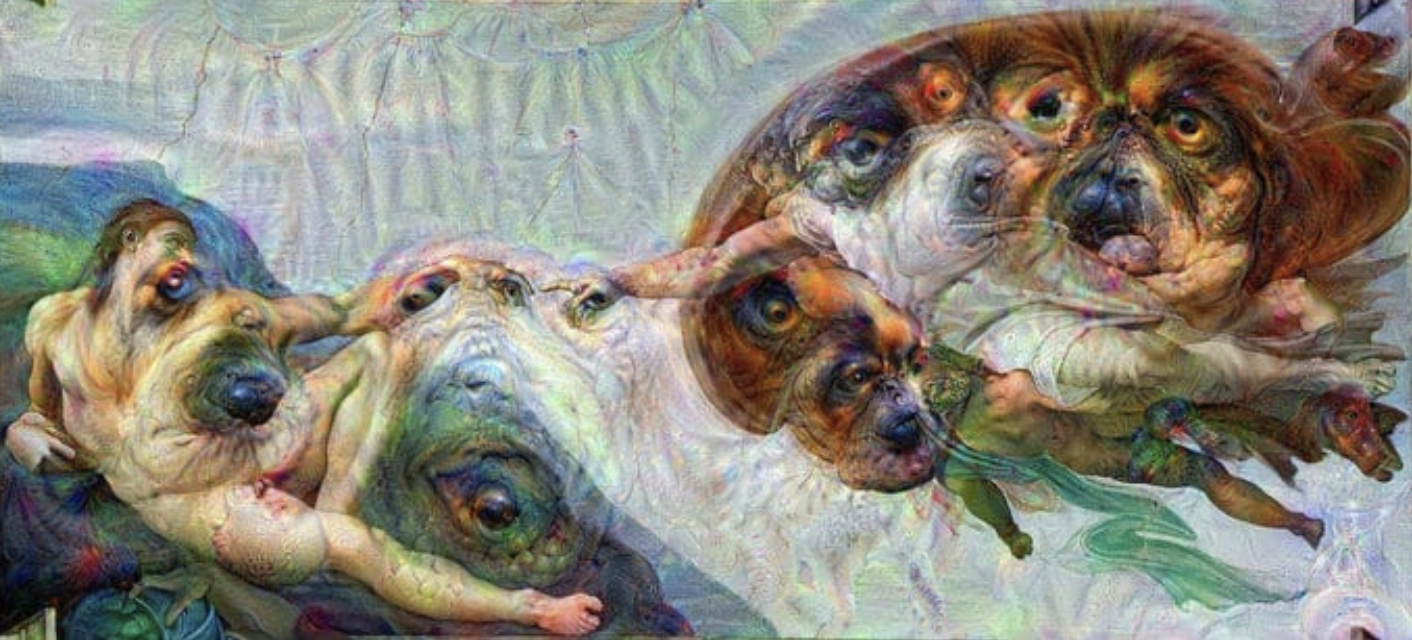
Deep learning changed everything, not immediately, but irreversibly. Neural networks trained on large image datasets could now produce outputs that genuinely resembled what they had learned from. The technique of Neural Style Transfer, applying the visual character of one image to the structure of another, became briefly ubiquitous, and gave many collectors their first encounter with machine-generated aesthetics.
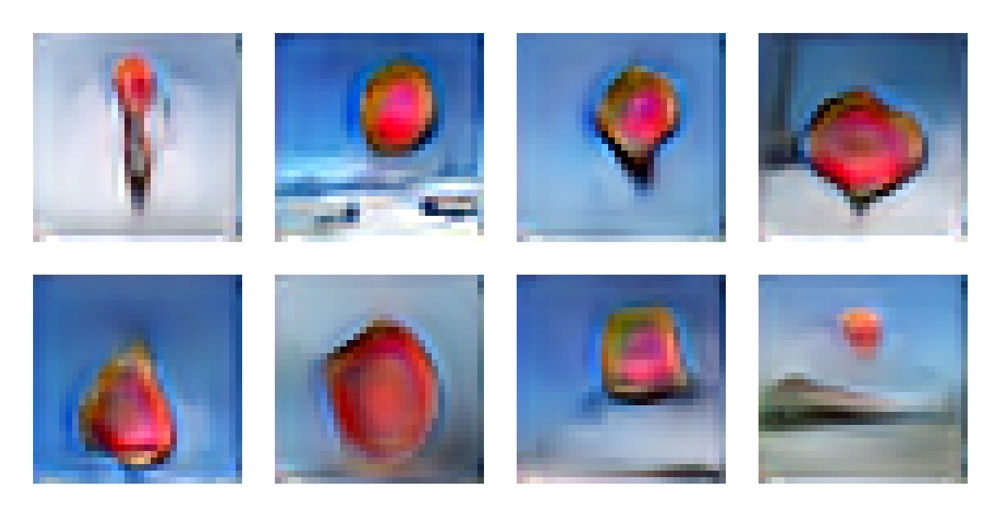
A landmark from this period worth knowing is alignDRAW (2015), a recurrent neural network developed by researchers at Google DeepMind that learned to generate images by drawing them incrementally, building up a picture stroke by stroke, much as a human would. It was among the first systems to demonstrate that a machine could construct an image as a process rather than produce it all at once, and it pointed directly toward the generative models that followed.
A handful of artists saw the broader implications before the rest of the world did. They began training their own models, building their own datasets, and asking what it meant to collaborate with a system that surprised even its maker.
The GAN Era - When the Machine Learned to Imagine
The pivotal development came in 2014, when researcher Ian Goodfellow introduced Generative Adversarial Networks, or GANs. The architecture is elegant: two neural networks work against each other. One generates images; the other evaluates them. Over time, the generator learns to produce images convincing enough to fool its critic.
The results were unlike anything before, not filtered or stylized versions of existing images, but new images drawn from a space of learned probability. For the first time, the machine was not transforming. It was imagining.
What is often overlooked now is how demanding this work was. Early GAN artists trained their own models on handcrafted datasets, long before accessible APIs or consumer interfaces existed. It required technical depth, artistic vision, and a willingness to work in a medium with no established rules. The artists who did it built the aesthetic and conceptual foundation that everything afterward would stand on.
The Early Pioneers: A Collector's Guide
Anna Ridler has been building her own datasets since 2017, when she spent three months in Utrecht photographing 10,000 tulips, then printed and hand-labelled each one before using the collection to train a GAN -- making the dataset itself, Myriad (Tulips), a separate artwork. The gesture exposed what algorithmic processes usually conceal: the labour, classification decisions, and human ideology embedded in what a machine is taught to see.
The resulting video work Mosaic Virus (2018) is one of the most conceptually precise pieces the GAN era produced. The tulips' appearance is controlled by the price of Bitcoin -- the more striped the petals, the higher the price -- mirroring the logic of 17th-century Dutch tulip mania, when striped blooms commanded the highest values before the market collapsed. The parallel is structural, not decorative: a GAN's tendency to improve and then fail mirrors the shape of a speculative bubble. Her work is held in the permanent collections of the Whitney, the V&A, M+ and ZKM.

Mario Klingemann is one of the most rigorous figures in this history. Working under the name Quasimondo, he explored the internal logic of GAN models as a conceptual territory, less interested in the images produced than in what the latent space itself could tell us about representation and memory. His early works require direct contact; a 2018 selection is available on OpenSea.
.png)
Bard Ionson is quieter but equally important. Known for the SAGE Anomaly series on SuperRare, Ionson approached AI art with a contemplative sensibility that stands apart from the field's more spectacular tendencies. His work is historically significant and undervalued relative to its place in the story.
.png)
David Young trained GANs on his own photographs of nature (flowers, trees, the landscape of upstate New York) deliberately using small datasets to push models toward their limits. The resulting images are genuinely strange and genuinely beautiful. He has since moved into quantum art, making his early GAN series among the more important bodies of work available on SuperRare. Earlier pieces require direct contact.
.png)
Entangled Others brought a biological eye to the GAN era that no one else matched. Trained in biology, Crespo used neural networks to explore the forms of living systems such as coral, tissue, the structural logic of natural organisms. The work feels both alien and alive. Early works on SuperRare are rare; the 2022 Chimerical Stories drop through Braindrops, a platform founded by Pindar van Arman to present serious early AI work, is a more accessible entry point.
.png)
Pindar van Arman is both a significant artist and someone who helped shape the field's infrastructure. His robot-assisted portrait paintings made with machines he built himself represent a distinct lineage from pure GAN work: the human and the mechanical in explicit physical negotiation. The bitGans series (2021) on OpenSea evolved pixel-art forms from that robotic output. He also founded Sovrn Art and served on the SuperRare DAO Council. For collectors interested in early physical works, an introduction is worth pursuing directly.
.png)
Sparrow is one of the field's significant absences. An early female AI artist working under the name Blackbox, she made exceptional GAN-based work from 2020 to 2022 using her own trained models before illness ended her practice. Her work on SuperRare is a finite, historically meaningful body of material that has received less attention than it deserves.
.png)
Morehshin Allahyari approaches AI from a position that makes her work entirely distinct. An Iranian-Kurdish artist working in New York, she uses early AI models to explore questions of identity, mythology, and cultural memory. Her Moon Faced series (2021), released through Feral File, treats the generative image as a site of meaning rather than spectacle. It is some of the most politically serious work in the category.
.png)
Fabin Rasheed is an Indian artist and AI researcher based in Dubai who has exhibited internationally, including at the 2025 French AI Summit. His practice sits at the genuine intersection of research and art-making.
Anne Spalter holds a unique position: she is both an early AI artist and, together with her husband Michael, the steward of one of the world's most significant private collections of computer art, over a thousand works from the second half of the twentieth century.
The Canonical Artists
Alongside the pioneers, some artists came to define what a broader public understood AI art to be. Their work entered major institutions, appeared at major auctions, and shaped how the category was seen during its period of greatest visibility.
Refik Anadol
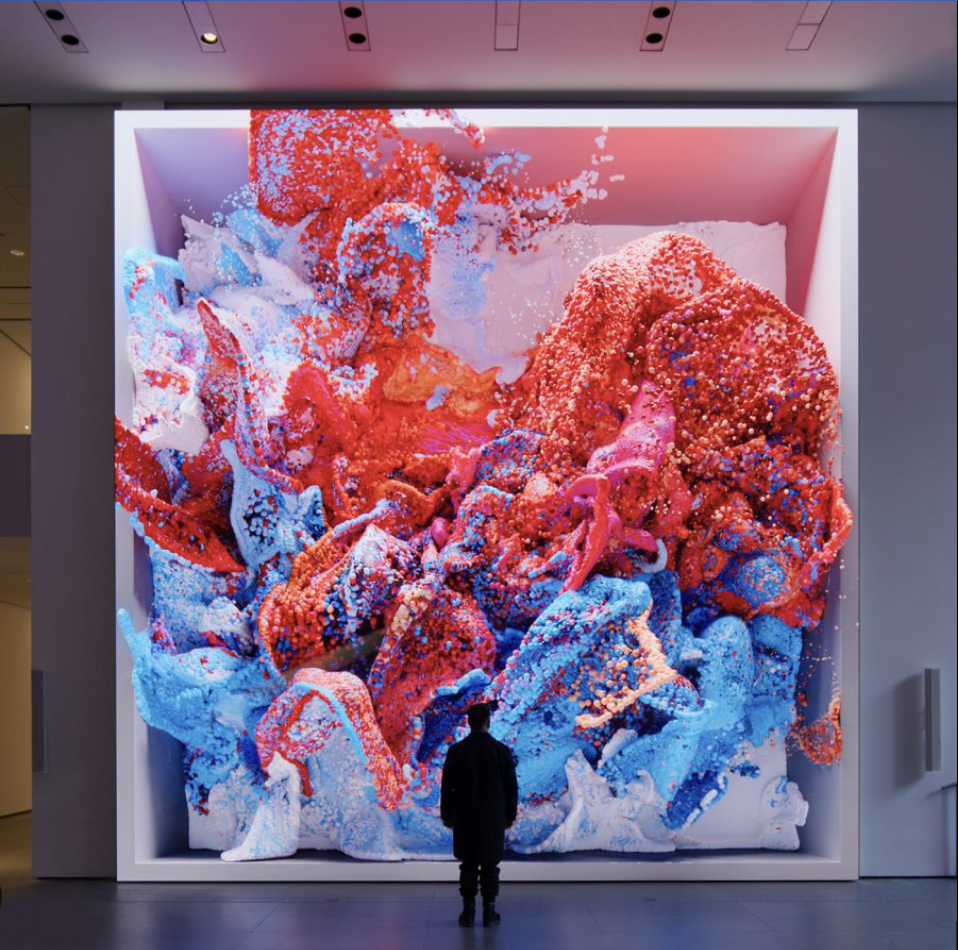
Born in Istanbul in 1985 and based in Los Angeles, Refik Anadol is the figure who, more than any other, brought AI art into the institutional mainstream. His large-scale installations trained on museum collections, city archives, and the imagery of the world's national parks, operate at a scale that makes the question of medium almost secondary. The work uses AI to make certain kinds of data visible and experienceable in new ways.
Unsupervised (2022), his installation at MoMA trained on the museum's entire collection, projected hallucinated imagery across a 24-foot screen in the lobby for months. The Synthetic Dreams: Landscapes series, made with the Google Quantum AI team and trained on 200 million landscape photographs, extended the practice into quantum computing.
His NFT of Casa Batlló sold for $1.38 million at Christie's. Works from the Synthetic Dreams and Unsupervised series remain available on secondary markets.
Sasha Stiles
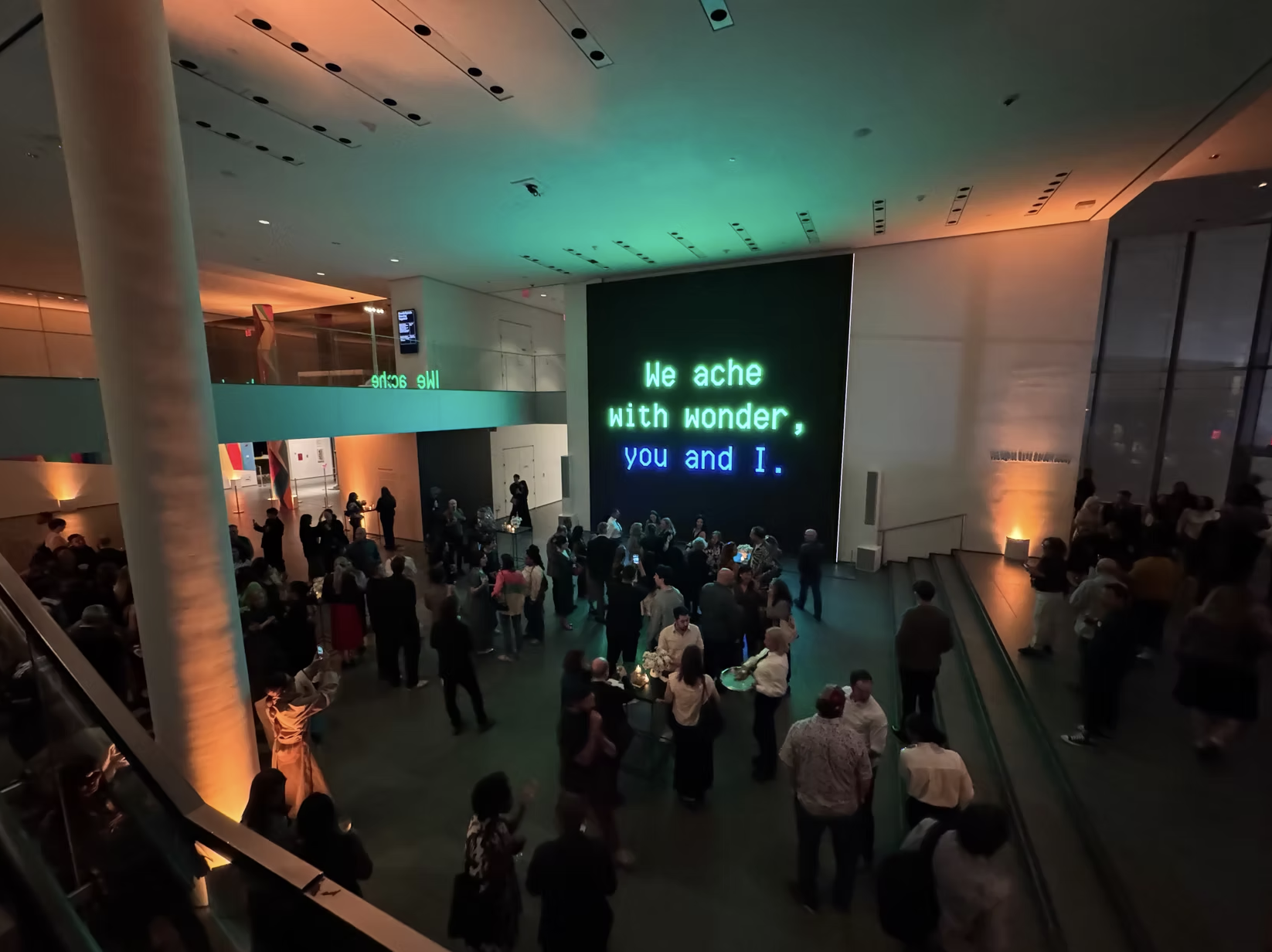
Sasha Stiles is a poet and AI researcher widely recognized as a pioneer of generative literature, a field she helped define. Where most AI artists of her generation worked with images, Stiles trained models on her own writing and developed an AI alter ego to co-author Technelegy, a book that exists at the boundary between human and machine authorship. Her work asks what language, rather than imagery, becomes when a machine learns to continue it.
Her earliest works on Tezos and Ethereum (2020–2021) are among the first serious attempts to apply generative AI to literary practice. She co-founded theVERSEverse, the primary platform for blockchain-based poetry, and her work has been exhibited at MoMA. For collectors building a historically complete collection of early AI art, her work is one of the more consequential gaps to close.
Holly Herndon & Mat Dryhurst
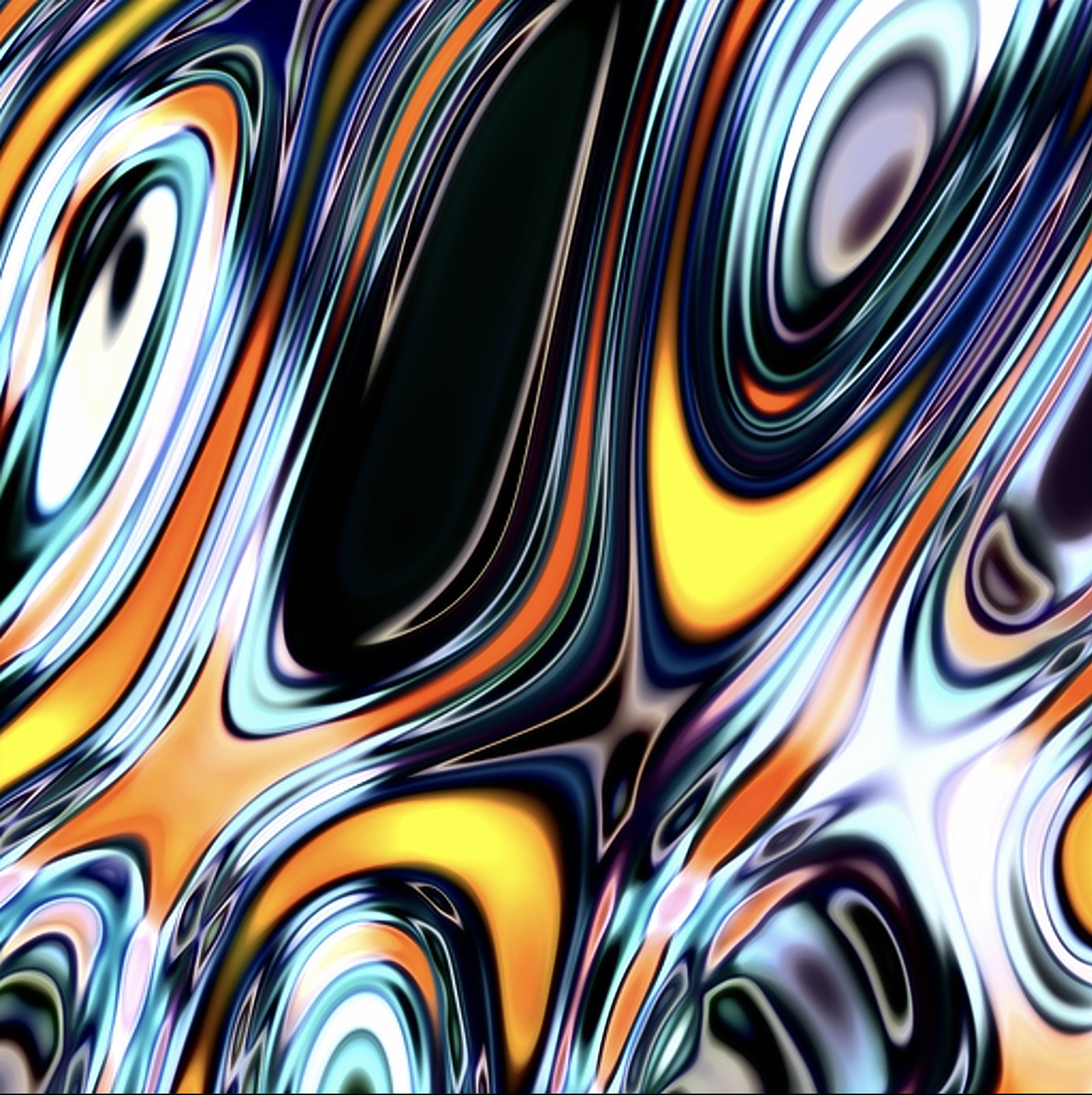
Holly Herndon and Mat Dryhurst occupy a position in this history that no one else does: they are simultaneously artists, theorists, and infrastructure builders. Working from Berlin, they have pioneered AI choir and voice work since 2016, treating the technical systems that underwrite creative output as artworks in their own right.
Herndon's Proto (2019) was built around Spawn, an AI trained on her own voice and those of her collaborators. The methodology was deliberate: a small, consensual dataset, a named community of voices, an audible oral history. Holly+ (2021) extended this into a voice model of Herndon herself, freely available for anyone to use -- with a DAO structure to govern commercial use and distribute proceeds. It was one of the earliest serious attempts to think through what consent, ownership, and shared benefit could look like when an artist's identity becomes a tool.
In 2022, Herndon and Dryhurst co-founded Spawning, building infrastructure for artists to understand and control whether their work had been used to train AI models -- including the Have I Been Trained? tool that let creators opt in or out of major training datasets.
Their more recent institutional work deepens the practice rather than departing from it. The Call (2024) at the Serpentine was built around AI models trained on Sacred Harp hymns, recorded with 15 professional and community choirs across the UK, under a bespoke data trust agreement designed to give the contributing communities co-ownership of the outputs. The protocol itself -- who trains what, on whose voices, under what terms -- is the artwork.

Trevor Paglen
Trevor Paglen spent two decades making hidden infrastructure visible: classified military sites, undersea data cables, NSA surveillance programmes. When he turned that attention to AI, the question was not what machines could make but what they had already been taught to see.
ImageNet Roulette (2019), made with researcher Kate Crawford, exposed the human categories embedded in ImageNet -- the dataset underlying much of the world's computer vision infrastructure. Feed a photograph of yourself into a system trained on its human categories and the machine labelled you: "schemer," "first offender," "alcoholic" alongside ordinary classifications. The piece had measurable impact: the offending categories were taken offline.
In March 2026 he was announced as the winner of the LG Guggenheim Award for art at the intersection of technology and society. His practice remains the clearest argument in the field that the most important questions about AI are not aesthetic ones.

Agoria
Sébastien Devaud (Agoria) is a French electronic musician and composer who arrived at visual AI art through an existing practice of crossing disciplines. His Compendia series, begun on OBJKT in 2021, carries a musical sensibility: layered, attentive to rhythm and texture. His collaborations with biologist Alice Meunier (Centriole, 2022) and with biophysicist Nicolas Desprat and designer Nicolas Becker (Phytocene) demonstrate an approach to interdisciplinary practice that remains genuinely rare.
Obvious
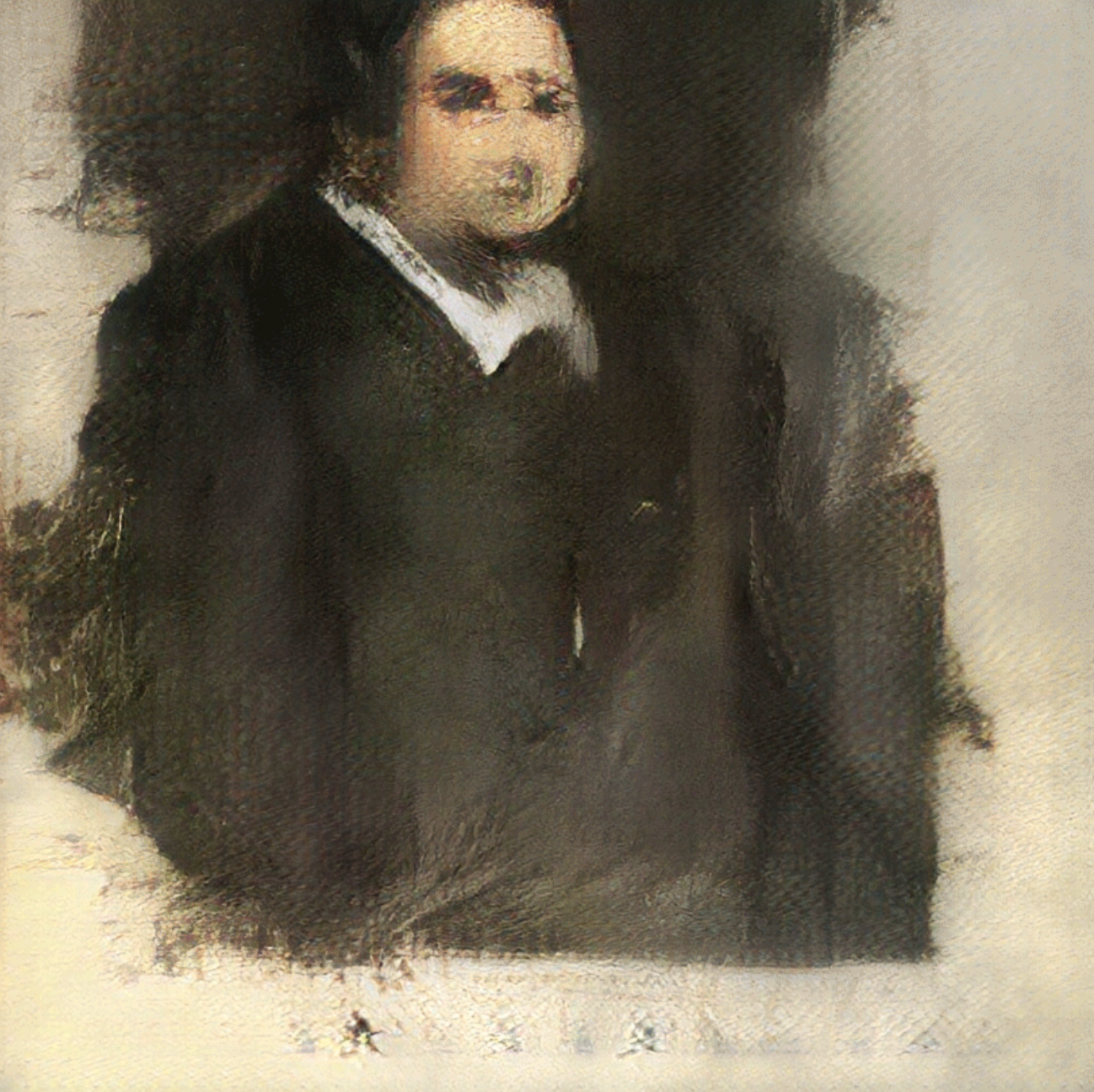
Pierre Fautrel, Hugo Caselles-Dupré, and Gauthier Vernier made history on October 25, 2018, when Edmond de Belamy sold at Christie's for $432,000, the first AI-generated work through a major auction house. The portrait of a fictional 19th-century figure, trained on 15,000 historical paintings, was signed not with a name but with the mathematical formula of its GAN algorithm.
Claire Silver
Claire Silver describes her practice as post-photography: AI used as both tool and collaborator to make work about vulnerability, trauma, the body, and what survives the transition into digital life. She was among the earliest artists to work with DALL-E, and among the first to argue that AI-collaborative art could be deeply personal.
Her work was included in Sotheby's contemporary art day auction and subsequently entered LACMA's permanent collection. Her first DALL-E 2 work on SuperRare sold for 52.69 ETH.
The Democratization Wave - 2022 to 2024
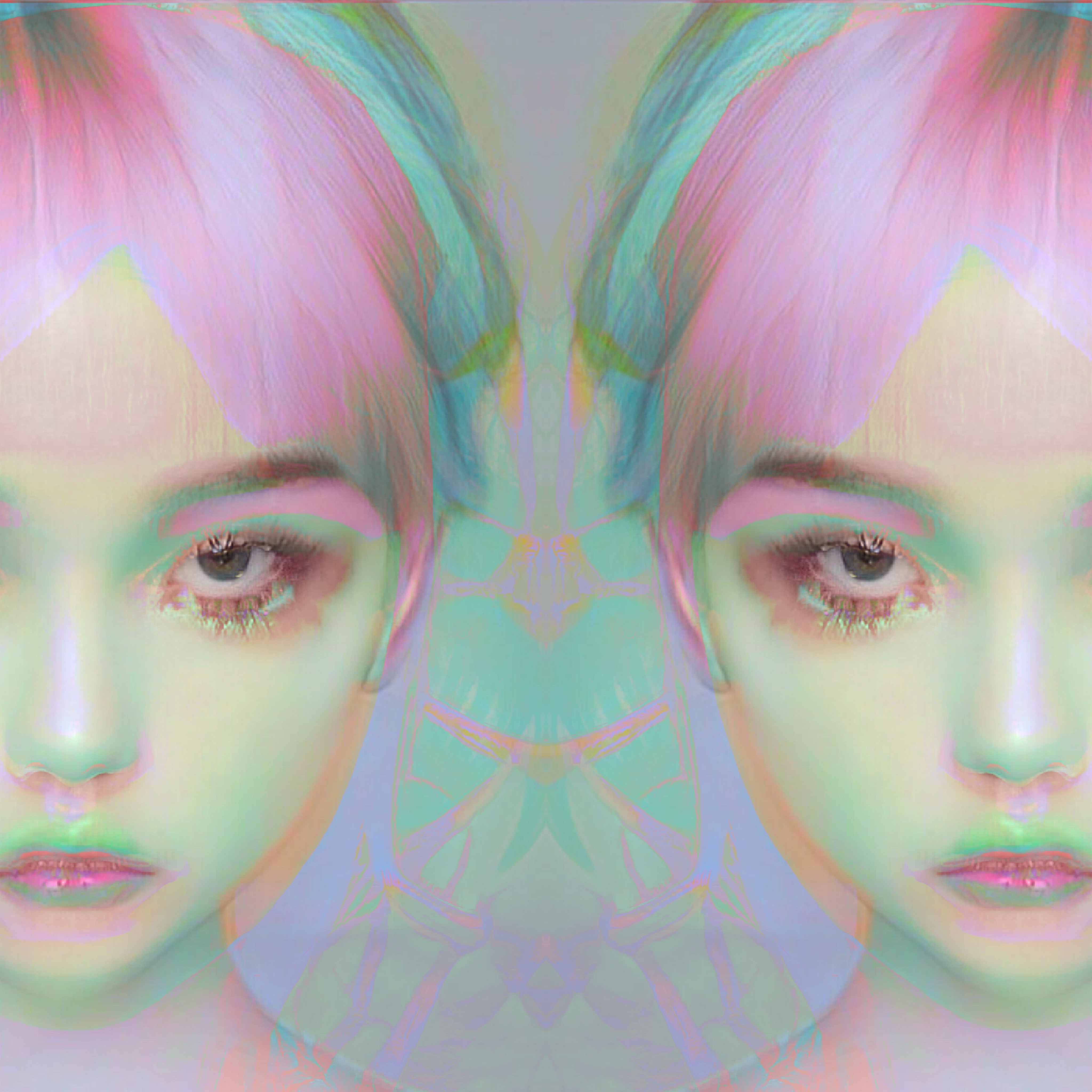
The release of DALL-E 2 in 2022 and the rapid rise of Midjourney changed the public's relationship to AI art entirely. For the first time, anyone with a text prompt could generate an image. The technical barrier that had defined and protected the GAN era dissolved almost overnight.
The quantity of AI-generated imagery increased by orders of magnitude. Illustration, stock photography, and concept art were disrupted. And a category called "AI art" absorbed a decade of serious practice into a single label, often without distinguishing between an artist using a custom-trained model to investigate a specific idea and someone typing a description into a commercial interface.
DALL-E's name combines Salvador Dalí and WALL-E — a small detail that captures something about how the tool positioned itself: artistically ambitious, culturally legible, slightly playful. Midjourney became the platform of choice for those who approached the prompt as a real creative act. Its version 5, released in early 2023, added photographic realism that sharpened every existing argument about authenticity and authorship.
By 2024, AI video had arrived as the next frontier. Artists began working with tools capable of generating moving images from text descriptions, opening questions about time, narrative, and the moving image that the still-image debates had only partially prepared the field for.
Kevin Abosch, the Irish conceptual artist known for reframing questions of identity and value through technology, directed AM I? in 2024 — the world's first feature film generated entirely using AI. It brought a conceptual rigour to the form that much early AI video work lacked, and marked the moment AI video crossed from experiment into a medium serious artists could claim.
One concern from this period that remains open: the tools that democratized image-making are controlled by a small number of corporations. Their training data, their model choices, and their business decisions shape what can be imagined by everyone who uses them. The concentration of creative infrastructure in a handful of platforms is worth taking seriously.
Artists to Watch From This Period
Three artists who emerged during this period stand out for the distinctiveness of their approach.
Mikey Woodbridge brought the GAN sensibility to fashion photography. Latent Couture (2023), trained entirely on his own archive of fashion images, produced garments that had never existed. The methodology is precise; the aesthetic is entirely his own.
.png)
Emi Kusano is a Tokyo-based multidisciplinary artist whose practice merges AI with Japanese nostalgia, pop culture, and identity. Beginning as a street photographer documenting Harajuku fashion — work that entered the V&A's collection — she has built a practice that feels genuinely unplaceable: neither Western AI art nor traditional Japanese digital culture, but a synthesis grounded in her own archive and sensibility. Her Neural Fad series sold out at Bright Moments Tokyo in 2023; her Melancholic Magical Maiden was selected for Art Blocks Curated in 2024. She was named a Young Global Leader by the World Economic Forum in 2025.
.jpg)
Niceaunties operates with serious institutional support. The Auntieverse series (2024), backed by collector and advocate Jean Michel Pailhon, is accompanied by a documentary in production, the kind of sustained critical attention that is needed in this field.
Where We Are
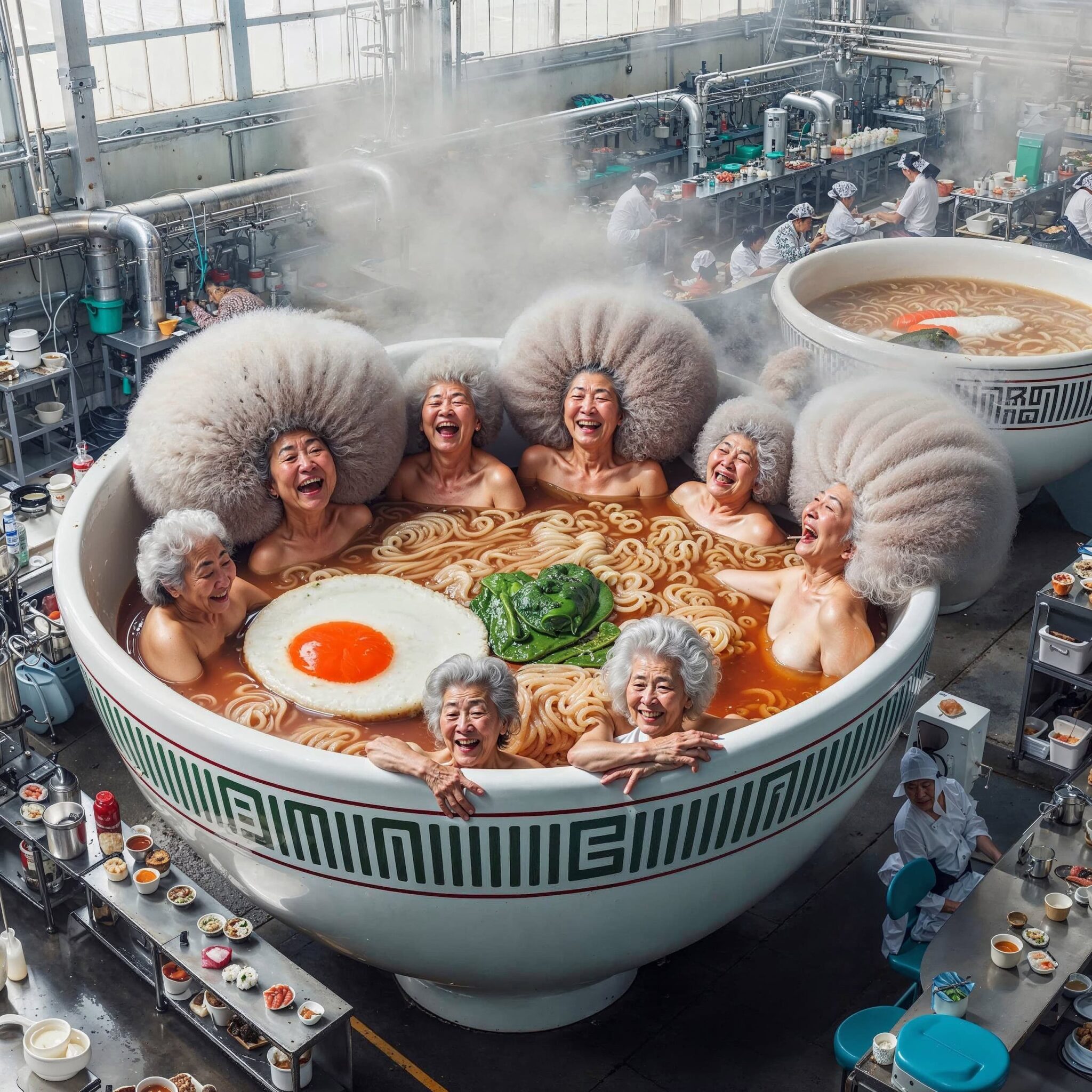
The market for AI art has matured. The speculative period has passed, and what has retained value is work that had genuine artistic intention behind it. The early GAN pioneers -- artists who trained their own models before the tools existed -- are being considered more seriously. That reassessment is overdue.
The more significant development, though, is institutional. AI art is no longer asking for permission to enter museums and major cultural venues. It is being collected, exhibited, and built into the fabric of the art world's permanent infrastructure.
MoMA's acquisition of Unsupervised for its permanent collection marked a turning point that other institutions have taken seriously. The Pompidou, LACMA, and the Whitney have all moved toward deeper engagement with digital and AI-generated work. The 2026 Whitney Biennial gathered 56 artists navigating questions from AI belief systems to geopolitical power, treating the technology as one lens among many through which artists are thinking about the present.
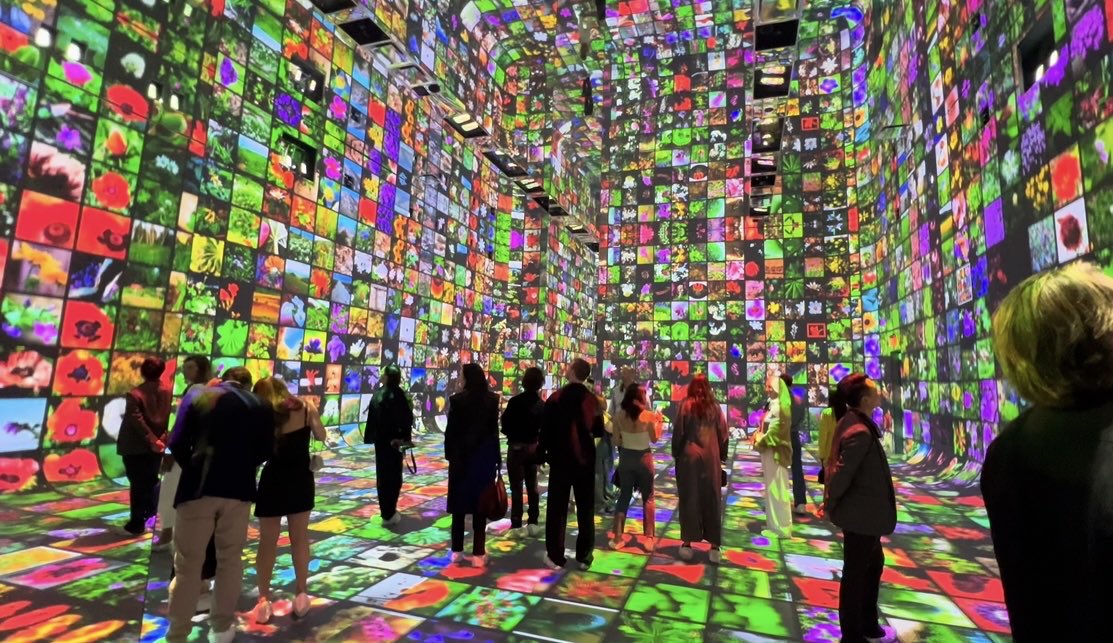
The clearest signal of where things stand comes this month from Los Angeles. DATALAND, the world's first museum dedicated entirely to AI art, is co-founded by Refik Anadol and Efsun Erkiliç and positions itself as both a physical venue and a public repository for AI art. Opening on June 20, 2026 to the public, it joins the Grand Avenue Cultural District alongside The Broad, MOCA, and the LA Phil: institutions that took generations to establish. Its inaugural exhibition, Machine Dreams: Rainforest, redefines the museum as a site of continuous production, where art unfolds in real time rather than being presented as a finished object. Whether that model holds beyond its first season is a genuine question. But its existence is not.
None of this resolves the harder arguments. Who the tools belong to, whose images trained them, and how the concentration of creative infrastructure in a handful of corporations shapes what can be imagined: these remain open. What has changed is the framework around the conversation. AI art is no longer a category that needs to justify itself. It is a chapter in art history being written in real time, and the serious collectors are the ones who have been reading closely enough to know where it started.
Price references throughout this article reflect historical data and should not be used for current acquisition decisions. Secondary market values change continuously; verify with relevant platforms at the time of purchase.