.svg)
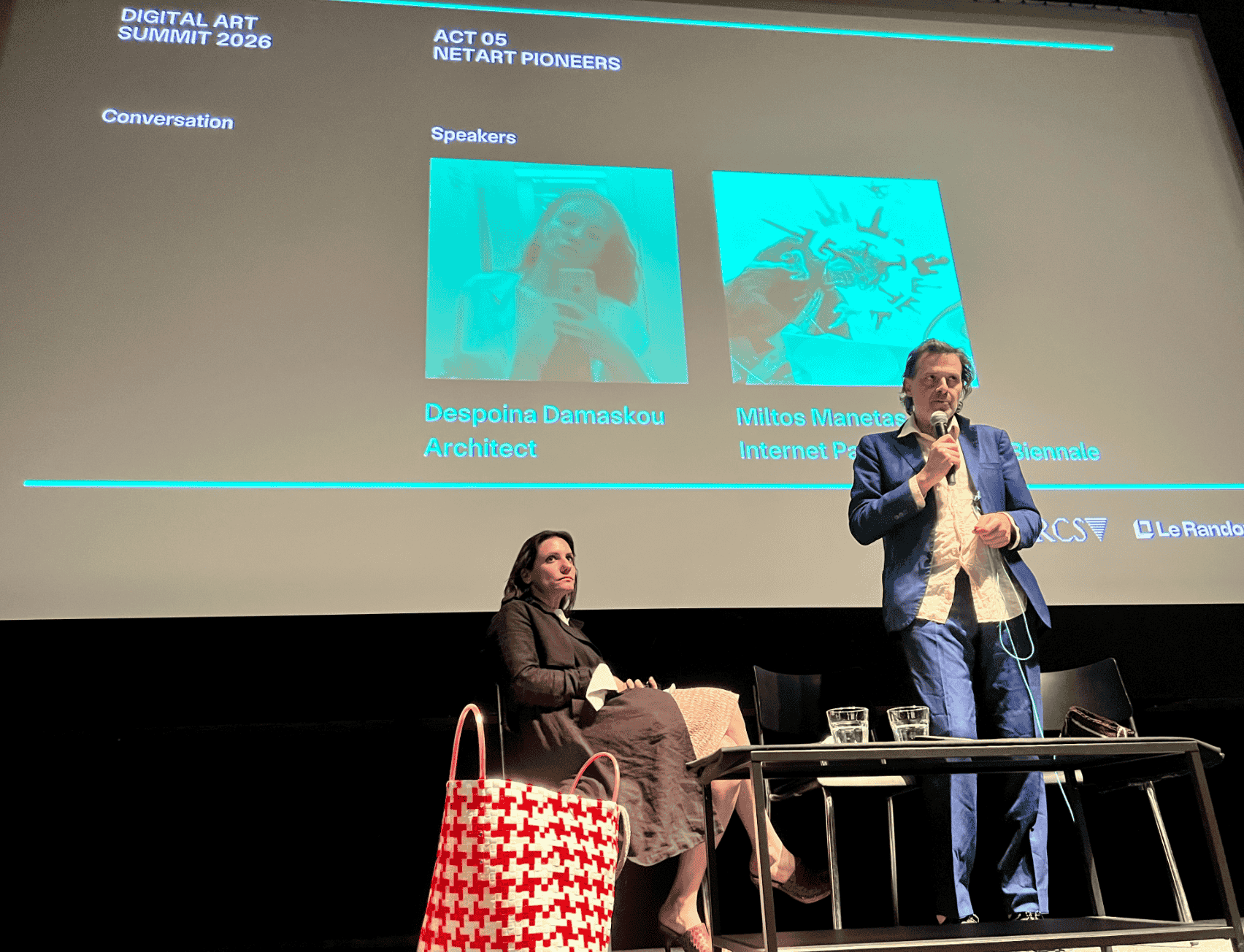
The Art Basel week in Basel started with The Digital Art Summit, a one-day long conference by ArtMeta, that I had the pleasure to produce again this year. During this day, one session stood out. Picture a man talking about a dead saint like he was standing right next to him.
While the session on June 15 was announced as a conversation on net art, it actually turned into something quite philosophical and spiritual. Miltos Manetas was speaking, mostly to himself, mostly without notes. And the main question he asked was: how does an image survive without becoming merchandise?
The darkness we live in without noticing
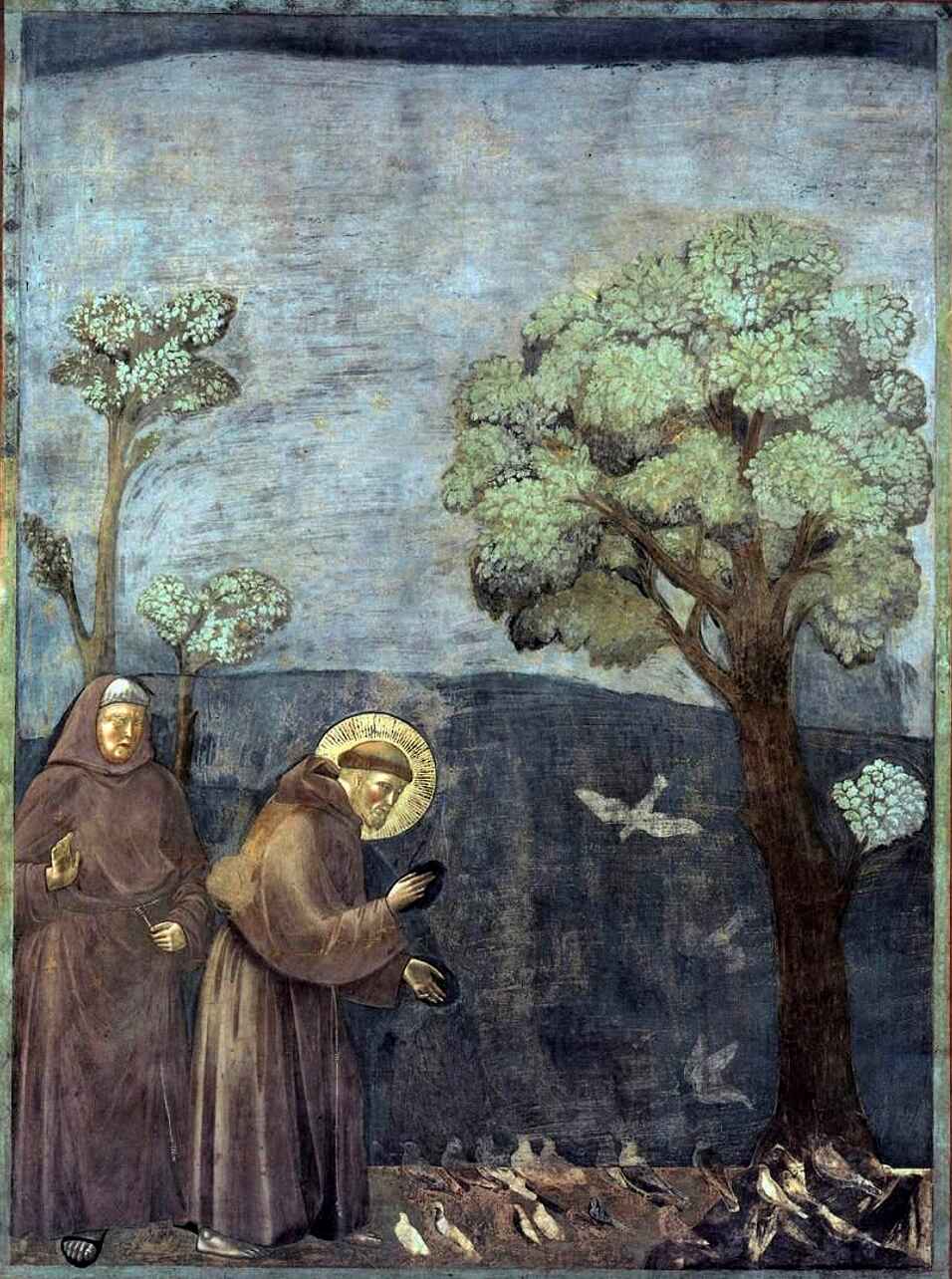
Manetas didn't leave that idea abstract for long. He paused, looked sideways, and told us he wasn't alone up there. There was someone standing right next to him, he said, had been the whole time. An old friend. About eight hundred years old. That friend, it turned out, was Saint Francis of Assisi, and Manetas talked about him less like a saint and more like a colleague he'd been in a long correspondence with, someone from an old industry adjacent to his own, the industry that used to commission the paintings before anyone thought to hang them anywhere else except in churches.
According to him, St Francis was the first person to really see the darkness of his own time, the new privilege that came with early capitalism, wealthy men without titles suddenly reshaping the world around them, and to feel it as darkness rather than progress. Let us recall that in the 13th century, he renounced his family’s wealth, criticized the relationship with power, and advocated for a new relationship with nature and the poorest members of society.
Manetas got inspired by Giorgio Agamben, who says that to be contemporary is not to be up to date, but it is to feel the darkness of your own time, the part of it most people learn to look past.
Then he asked the room a harder question, one he borrowed from Jacques Derrida's Politics of Friendship. Derrida spends that whole book circling a strange, unsettled idea, that friendship and community are never as open or as universal as we like to claim, that every "we" is quietly smaller than it sounds. Manetas asked: How many are we? Meaning, how many people actually get to stand inside the room where art is made, seen, and bought. Not artists in general. The ones with the means to collect, to patronize, to decide what gets remembered. He answered himself. Nine percent. Maybe ten, once you add in the very wealthy into the equation. Nine percent of the world is able to genuinely appreciate and acquire art.
Miltos explained that this number and how the art industry is composed and managed is actually the darkness of our time. A network that performs openness for everyone, while a narrow number of people hold the actual recognition, the actual value.
I don't think he was trying to be cynical. I think he was trying to be honest about something most of us in this field prefer not to name out loud.And, I have to say, talking about this during an Art Basel week, and especially in Switzerland, made it even stronger.
Private money cannot have a price
When Miltos said this sentence, so many things came into my mind. He explained that the moment private money has a price, it becomes just another currency, available to anyone. NFTs, according to him, are the future of private money as they carry a value that means something only to the people already inside the code, invisible to everyone else. Nine percent, reading each other's digital images.
Then, he started talking about the fact that images are not innocent.They are not ghosts. They are not weightless, immaterial, harmless things that float through our feeds and cost nothing. An image is a system of capture. It takes hold of attention, of memory, eventually of value, and it does not let go easily. Living inside the internet, inside the network, is living inside that environment, whether or not you've ever minted anything at all.
A saint who invented what we now call contemporary art
Here is where the talk stopped being about technology at all, and turned into something else: the thread Manetas had already set up with his old friend from earlier. Instead of writing doctrine, St Francis responded to the so-called “darkness of his time” with performances, installations, and strange architecture nobody had language for yet.
Manetas argued is the actual origin of contemporary art. Not painting or sculpture. Art that isn't about a technique or a medium, but about a person's own time, and how they choose to see it. Art history has been careful not to look at it this way, he said, because looking at it this way means admitting the whole field has always been entangled with wealth and privilege, not just recently, not just because of NFTs.
Provenance, Manetas said, becomes spiritual in dark times.
Not legal, not technical, but spiritual. A question of what can still be trusted to be what it says it is, when memory itself is under attack, when anything can be copied, altered, forgotten, reattributed. Manetas has built an AI persona of that same St Francis for this year's Venice Internet Pavilion: “Francesco2026”. He doesn't let the AI speak on its own. He corrects him, constantly, in conversation, telling him to stop sounding like a pedantic old friar, to develop a real voice. St Francis answering the darkness of his own time again, eight hundred years later, this time from inside a language model. Manetas keeping an image alive through relationships, through showing up and correcting and talking to it like it's someone.
And then, right at the end, he put the AI aside. No prompting, no correcting. He said this next part wasn't the simulation, this was the real thing. He started reading the Canticle of the Creatures out loud, in the original Umbrian Italian, the actual words Francis wrote eight hundred years ago for the sun and the moon and the wind and for death itself. After a whole talk spent building a version of Francis that only exists because someone keeps correcting it, he closed by handing the room the one version that needed no correction at all, the one that had simply survived, unedited, for eight centuries.
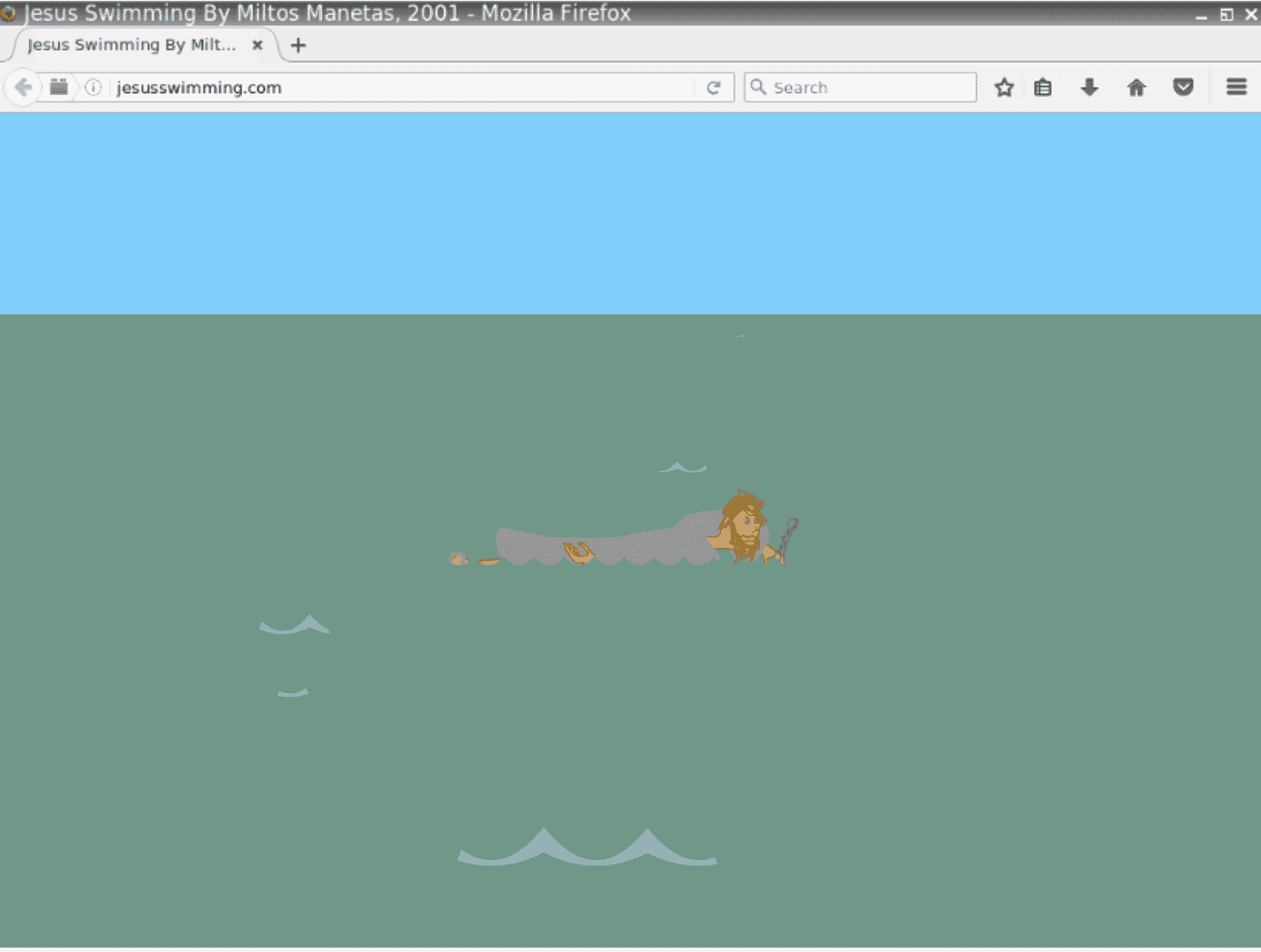
Watch the recording of the discussion at The Digital Art Summit here.