.svg)
Menu

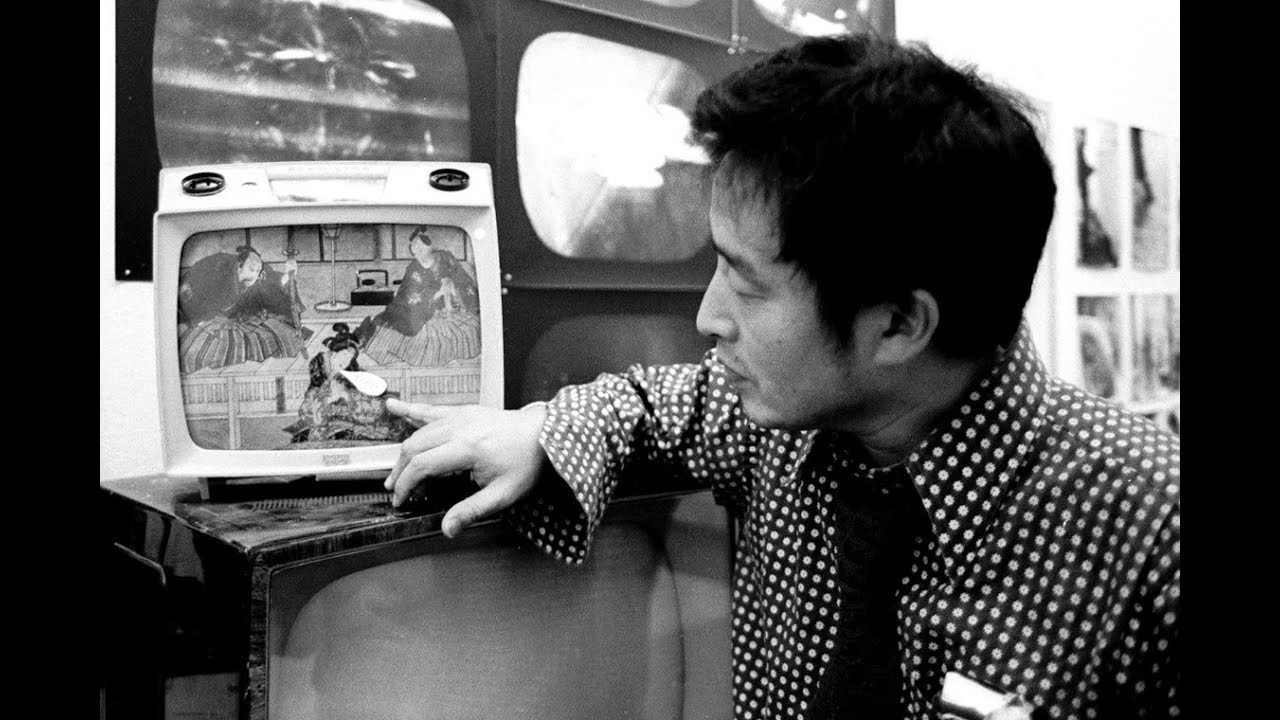
We think we are reinventing the wheel when creating good, slick reels. There is something undeniably satisfying about mastering tools like CapCut or AI Clip Generator VEED and having the sense we are almost fluent in the language of fast, dynamic, and playful images. Yet, in 1969, almost six decades ago, Nam June Paik literally manufactured a machine that could make video edits. Together with the Japanese television technician Shuya Abe, the artist constructed a synthesizer that could receive external sources of images and edit the color and shape of video images in real time. Think you have achieved something by finally learning how to use Adobe Premiere? Try building the program instead!
A rare encounter with one of the original Paik-Abe Video Synthesizers awaits visitors at the Nam June Paik Art Center, located on the outskirts of Seoul. Open to the public in 2008, the institution holds - as one can imagine - an outstanding collection by the Korean artist, apart from showcasing temporary art exhibitions dedicated to the work of living contemporary artists in dialogue with the body of work of the father of video art.

A pilgrimage site for art professionals and art lovers who admire Nam June Paik, the space traces the story of technology in art. If, in the digital age, we are increasingly detached from what is behind the technologies we use - think how many people you know even understand the concept of Blockchain - the museum offers a tangible, hardware-based glimpse into the mind of a man who predicted our world of social media, live-streaming, and international telecommunication networks.
At the entrance of the building located in the Giheung District in Yongin, the renowned TV Gardenfeatures dozens of televisions that bloom like flowers amongst a jungle of tropical plants. Ths installations denotes that Paik was already advocating for a balance between technology and nature. “When we shift our economic priorities of consuming to more spiritual sphere then we can solve all economic problems with much less energy,” said Paik to Lynn Hershman Leeson during an interview for Artweek in 1980.

The television sets scattered around the garden - from tube TVS to LCD screens - play Global Groove, a cult work in the history of video art broadcasted on the United States public television in 1973, featuring an apparent nonsense collage of distorted and transfigured images processed by his synthesiser. It is a manifesto concerning globalised communication in an already media-saturated reality. They mix scenes of traditional Korean dance with apparitions of artists like John Cage and Allen Ginsberg, and the face of the then-President Nixon disfigured by the action of a magnet on the television (watch here on Vimeo).
“If we could compile a weekly TV festival made up of music and dance from every country, and distributed it free-of-charge round the world via the proposed common video market, it would have a phenomenal effect on education and entertainment,” stated Paik, cleverly imagining a global video utopia long before YouTube or TikTok existed.
Paik coined the term "electronic superhighway" to denote what he saw as a future in which technology would allow for boundary-less connection between people on a global scale: his term might be considered the first mention of the concept that would eventually take shape as the Internet.
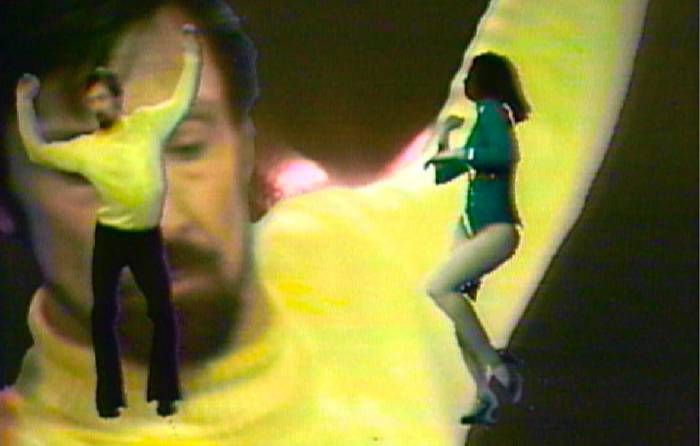
Although it is highly politically engaged, Paik’s work is far from being heavy-handed or dull. He wanted to revolutionise television and art in every person’s household. With a background in classical music, he was at the center of the most cutting-edge Japanese, American and German art scenes of the 1960s and 70s. While his friends like John Cage and Joseph Beuys worked primarily with sound, sculpture, and avant-garde happenings and performances, he drifted toward something entirely different: video and mass media.
His manipulations that generated psychedelic effects and collages of video images resulted in playful works meant to inspire audiences - citizens of the electronic age - to interact with TV broadcasts and reclaim a sense of control. Works such as Participation TV (1963), Magnet TV (1965) and TV Piano (1998), in which audiences could change the real-time images on TV screens with magnets and voice signals can be seen in the ongoing and aptly titled exhibition Play it Again, Paik.
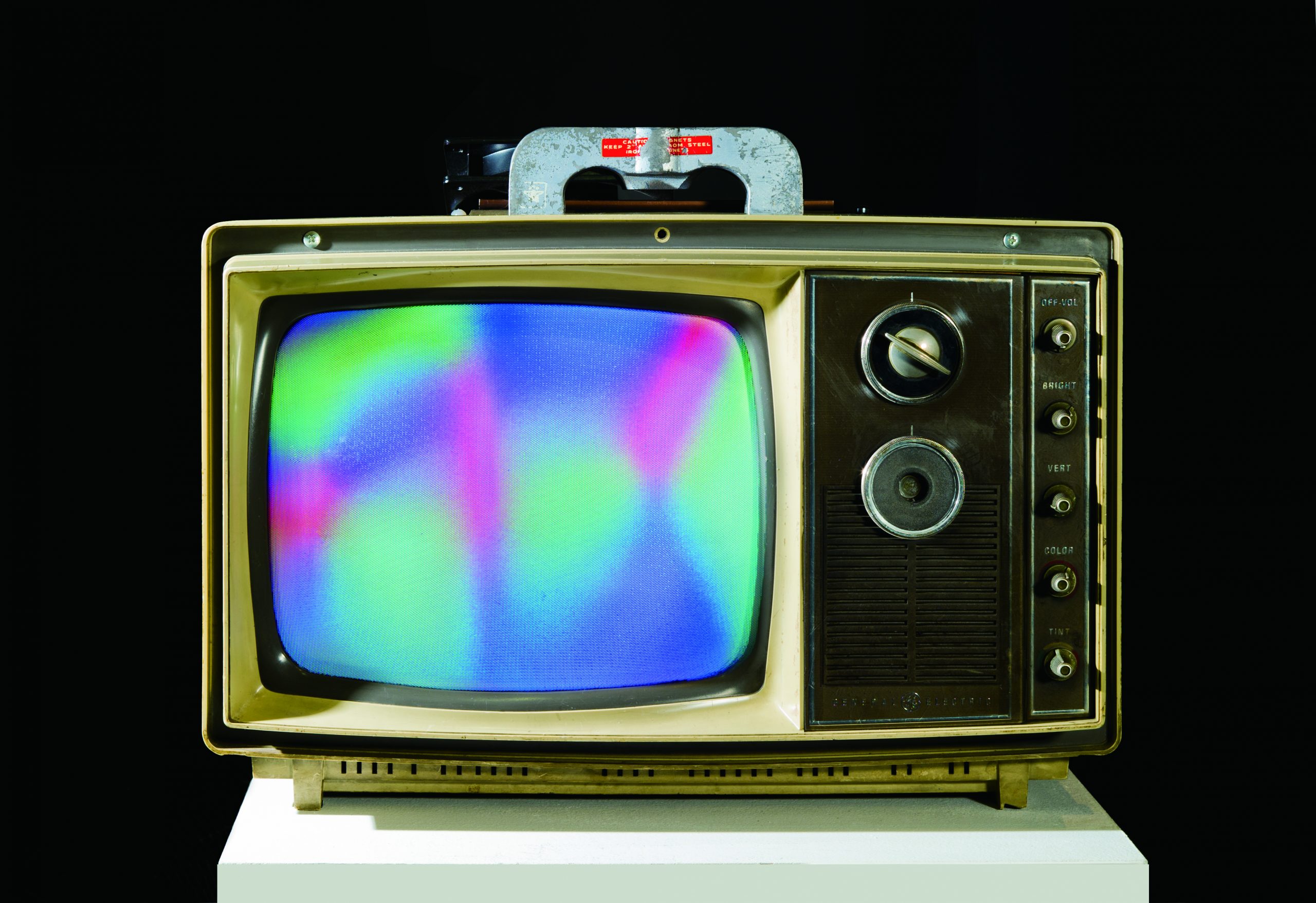
Body performances are also everywhere in the Nam June Paik Art Center. Paik’s interest in the body was, above all, an interest in movement - a central concern of the Fluxus’ artists that captivated the art world in the 1960s - and a keen desire to humanize technology. Dances by the celebrated American choreographer Merce Cunningham and music played by the American cellist and performance artist Charlotte Moorman - his primary collaborator - are among the iconic moments replayed across multiple screens.
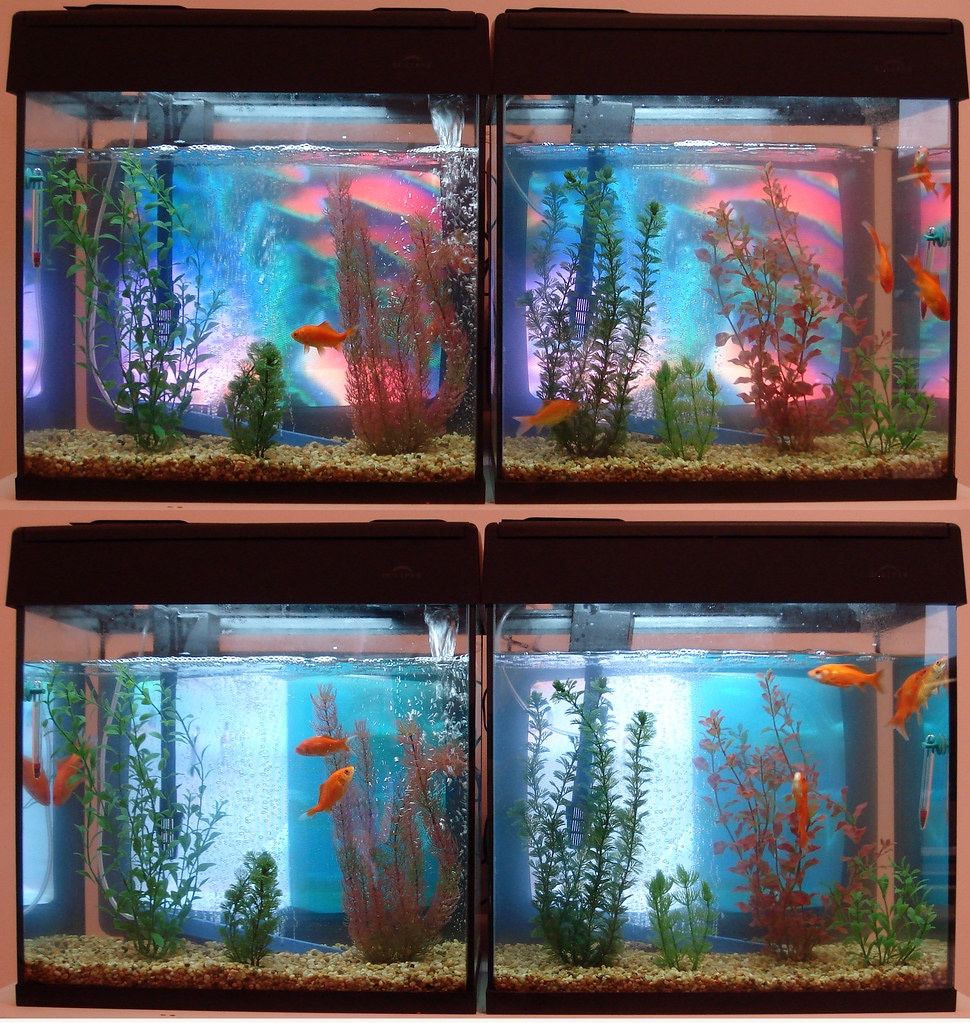
The exhibition comes to a humorous end with TV Fish, in which 24 boxy TV sets project images behind the same number of fish tanks with live fish who seem to move like Cunningham or the wobbly toddlers who cutely appear in his videos. Is watching television any less alienating, or any less pointless, than staring at an aquarium? Or: are we truly any freer than the fish in the aquarium? Like them, aren't we also shaped, confined, and domesticated, only by the invisible currents of mass media?
Paik’s televisions were never just screens, they were sculptures, environments, provocations. Seeing them in person remains irreplaceable.
But until one can pay a visit to the institution, a collection of 175 videos housed in the Nam June Paik Art Center can be watched on Njp.ma, an open-source footage archive run by 0x2620 and CAMP. From the comfort of your own screen, Moon is the Oldest TV, available on Netflix, also offers a clear glimpse of the artist who foresaw the world we live in.
Play it Again, Paik is On View at the Nam June Paik Art Center, in the Giheung District in Yongin, on the outskirts of Seoul, South Korea, from April 10th to February 22nd, 2026.
