.svg)
Menu
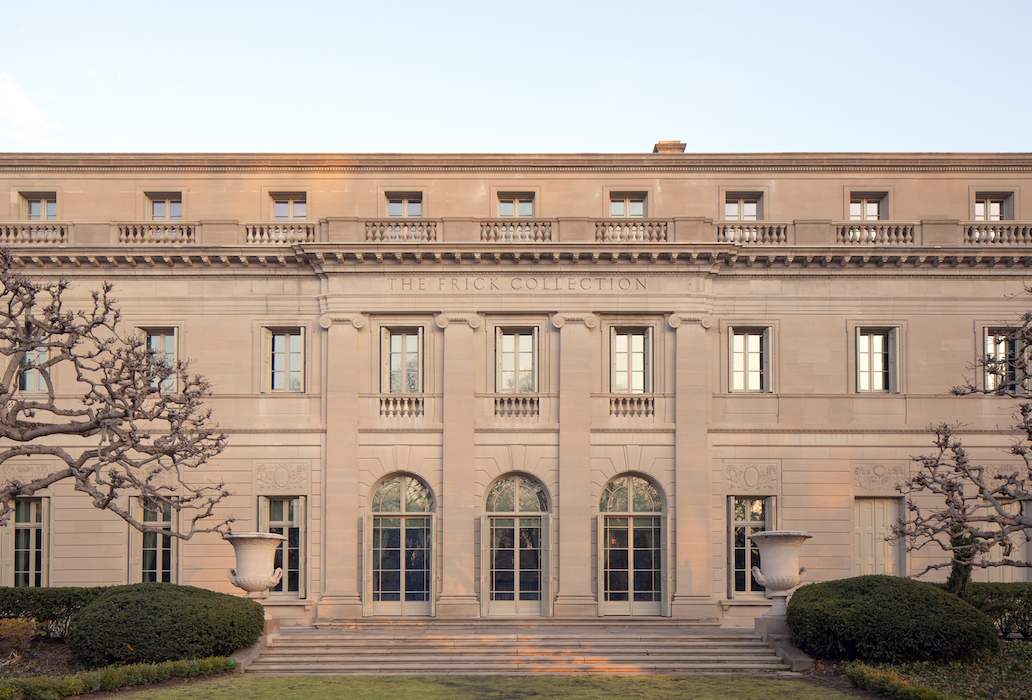
The Frick Collection has reopened in its historic mansion on East 70th Street after several years of renovation. Whether you are planning a visit to New York or exploring from afar, this guide outlines how to make the most of your experience.
The Frick Collection offers an exceptional glimpse into the life of Henry Clay Frick and his family. Even if the newly re-opened museum feels a little less personal, it is still remarkable to be able to walk in the footsteps of its founder and of the most impressive art collections in the world.
This museum review is very special to me as I was a weekend docent at the Frick Collection from 2008 to 2013, spending five hours every Saturday telling the stories behind the Frick family, its New York home and the precious collection. Follow me!

Upon entering the Frick Collection, your journey begins on the first floor, where the galleries have been thoughtfully restored to reflect the way the house was originally lived in by the Frick family. As you ascend the grand staircase, you’re immediately struck by the presence of three Vermeer masterpieces on the wall. Out of just 36 known Vermeers in the world, three can be found here: The Geographer, The Milkmaid, and Officer and Laughing Girl. This rare trio is one of the most exceptional highlights of the collection.
Continuing through the house, you enter the Formal Dining Room, where you can imagine yourself dining surrounded by portraits of English masters like Thomas Gainsborough and George Romney. This room exudes the elegance of 18th-century society and offers a glimpse into the lavish lifestyle of the Frick family.

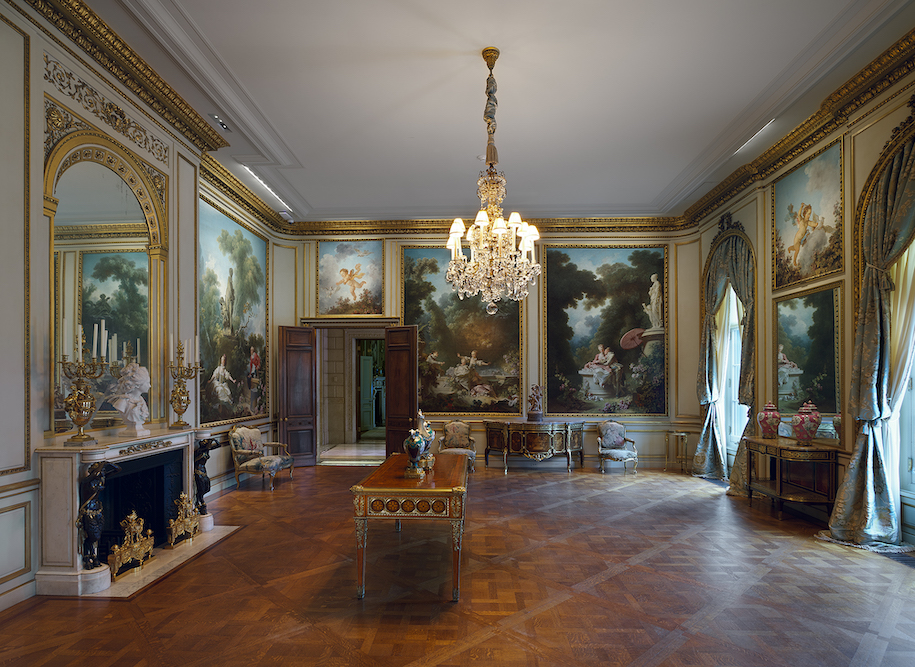
Next, make your way to the Fragonard Room, where a charming boat-shaped ceramic potpourri sits, its lid lifting to reveal a hidden compartment for flowers or fragrant herbs. It’s a delightful detail that adds a whimsical touch to the space.
As you move through the mansion, take time to visit the Library, one of the most significant private libraries in the United States. It houses works of historical importance, including a portrait of George Washington by Gilbert Stuart. The library offers a quiet respite where you can contemplate the legacy of the Frick family’s art collection.
Afterward, take a pause in the Garden Court, an indoor garden that is one of the architectural gems of the Frick Collection. It’s a serene spot to rest and reflect, surrounded by the beauty of nature and art.
Finally, don’t forget to look up as you ascend the Grand Staircase. Above you, the original organ still remains in place, a grand reminder of the mansion's opulent past.

Moving on to the second floor, for the first time, these galleries, which were once part of the Frick family’s private residence, are now open to the public. Start at the top of the stairs, where a large Renoir hangs above the landing. Take a moment to sit and reflect on this stunning piece before you continue your journey.
In Room 24, you’ll find Édouard Manet's The Bullfight, a unique painting where only the top half of the original composition is displayed here at the Frick. The lower half, featuring a dead torreador, is held by the National Gallery in Washington, D.C. This separation of the work adds an intriguing layer to the artwork’s history.

In Room 28, known as the Boucher Room, you’ll encounter a remarkable mechanical table by Martin Carlin, an 18th-century masterpiece of decorative arts. Its intricate design and craftsmanship are truly breathtaking and worth admiring up close.
Finally, in Room 34, you’ll come face-to-face with the relocated portrait of Louise, Princesse de Broglie, by Ingres. This striking painting captures the princess with remarkable elegance and remains one of the most celebrated works in the Frick Collection.
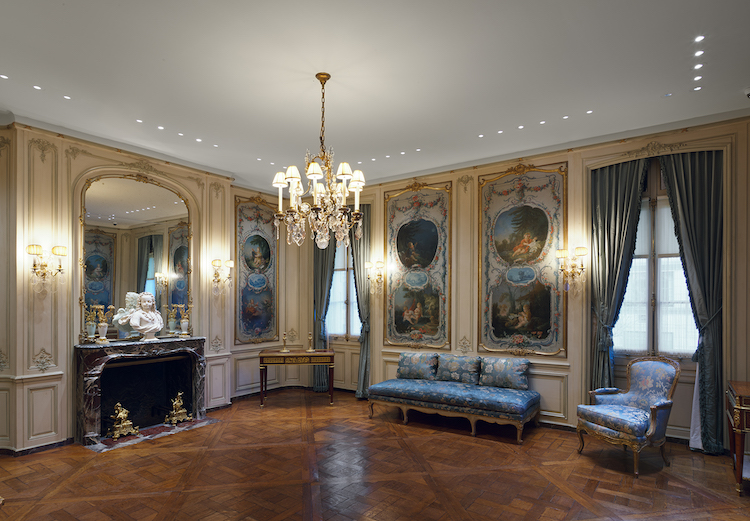
* Do not overlook the furniture throughout the mansion. Each piece is a significant work in its own.
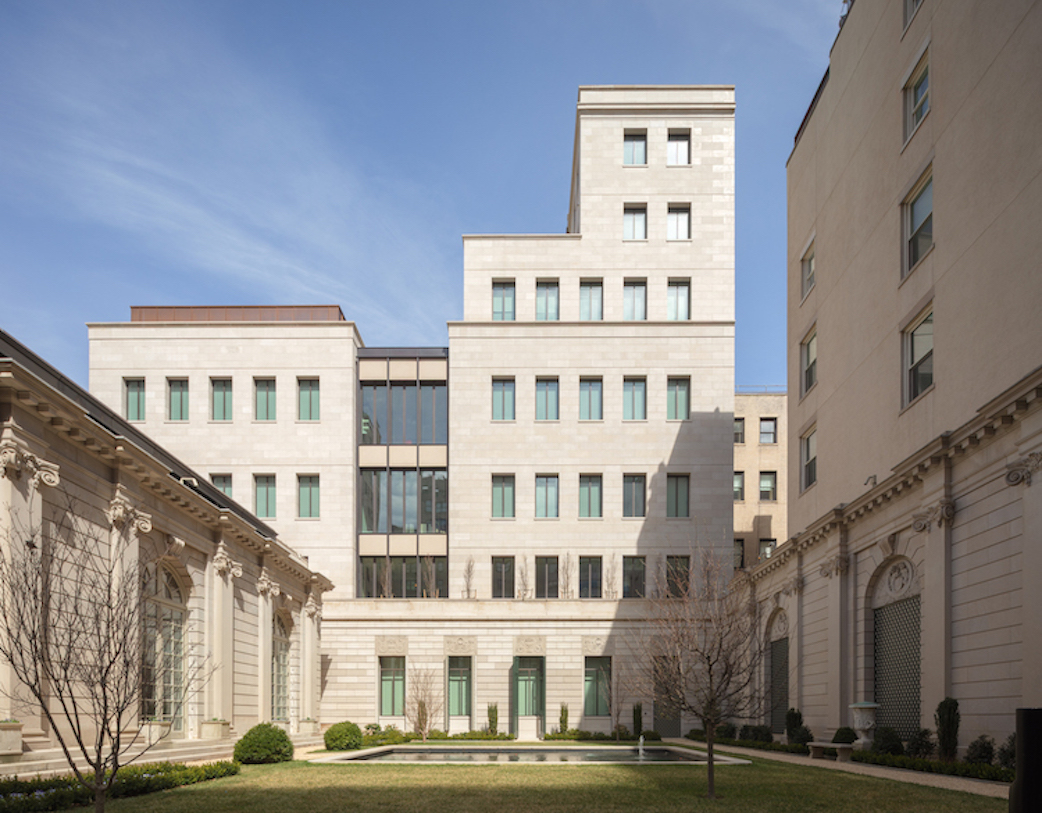
* The garden on 70th Street, including the lily pond, was designed to be seen from the house. Make time to observe it from the windows.
* The museum shop, located on the second floor, is thoughtfully curated and well worth a visit!
Book Your Tickets in Advance: The museum operates on a timed-entry basis, so it’s highly recommended to book your tickets online in advance to avoid long waits. Click here to reserve your tickets.
Dining Tip: While there is a café upstairs, I highly recommend heading over to Leo Café at the nearby Asia Society for a quieter, more relaxed dining experience. It’s only a short walk away and well worth the visit. Find out more about Leo Café here.
Photography and Audio Guide: Remember, photography is only allowed in the Winter Garden and entrance areas, but for the rest of your visit, the Frick’s app provides an excellent audio guide. Download the app here.
Suggested Listening Before Your Visit:
History of Henry Clay Frick and the Collection: Listen here
Steve Martin on the Newly Reopened Frick: Listen here