.svg)
Menu
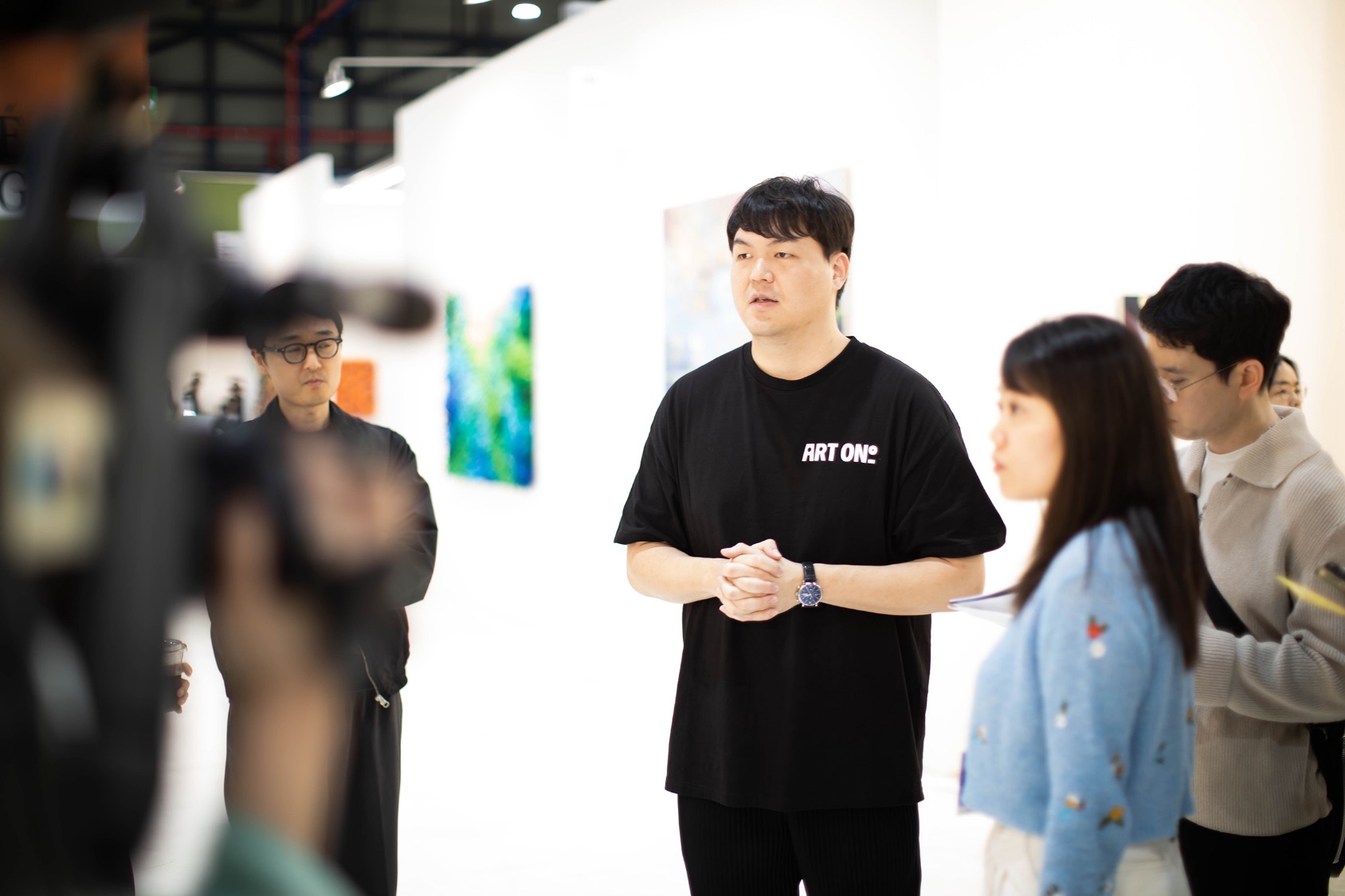
This was exactly what 100 Collectors' editorial was missing: a space dedicated to the voice of the collectors themselves. In Collecting Minds, we invite individuals to share the stories behind their collections - what drives them, how they started, and what excites them today. Because collecting is never just about the works; it’s about the people, the passions, and the perspectives that shape each collection.
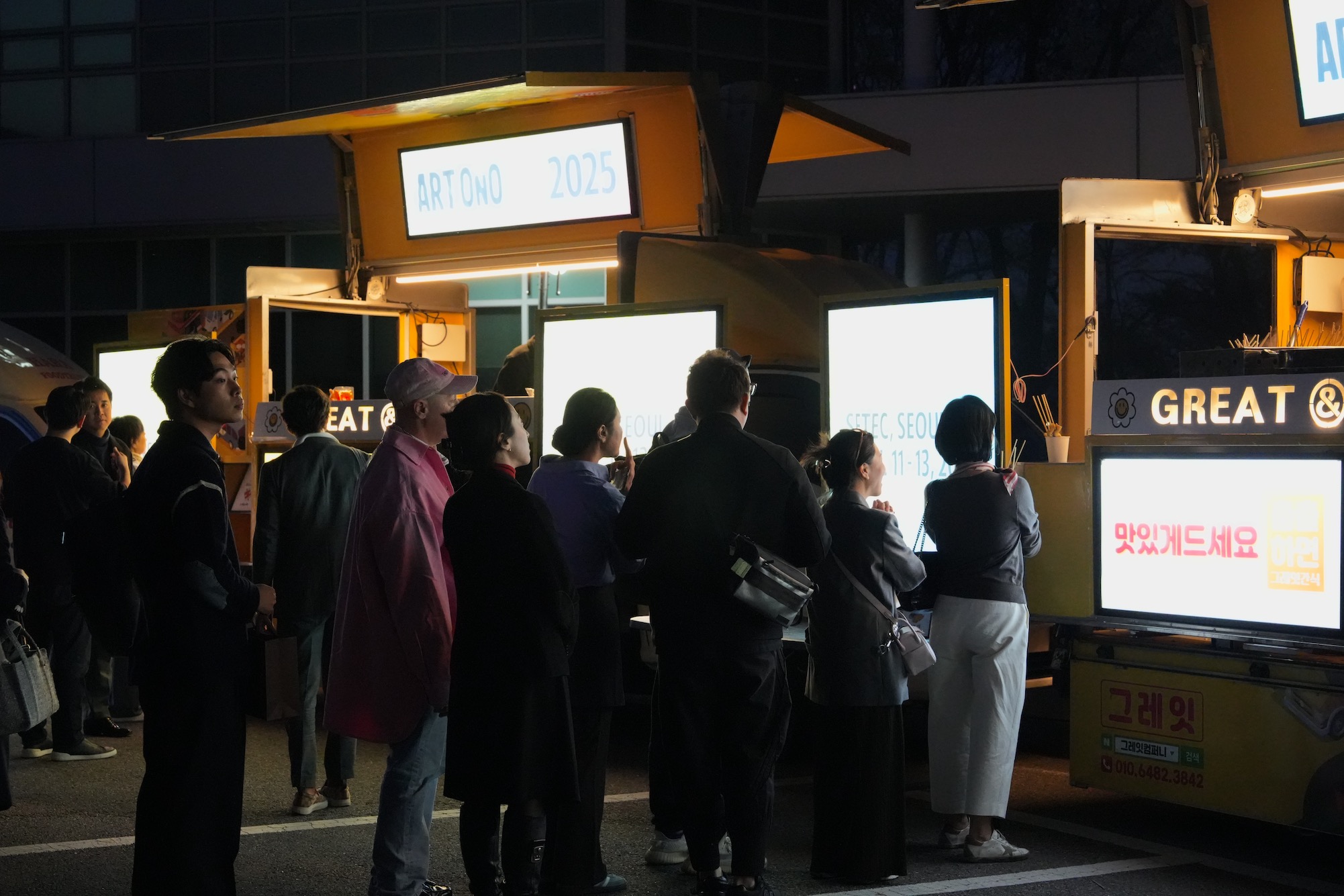
We open the series with Noh Jae-myung, a 34-year-old entrepreneur based in Seoul who decided to take his passion for art one step further. In 2024, he inaugurated Art OnO, an art fair with a fresh perspective. The second edition of the fair took place in April 2025, further establishing it as a dynamic new platform in the Korean art scene. As both a collector and a fair director, he brings a rare dual insight into what it means to support and shape the art world from multiple angles.
Interview by Julia Flamingo
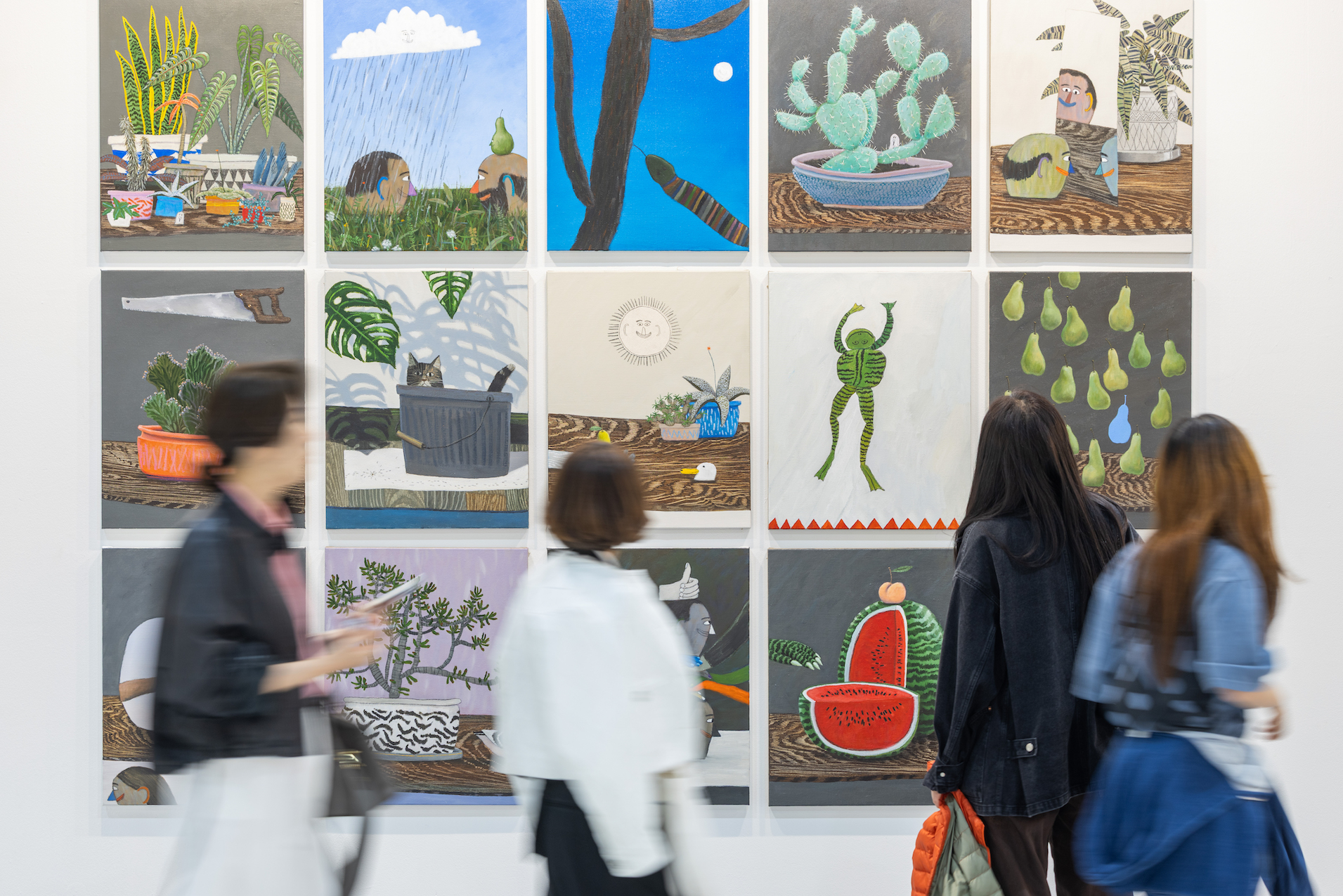
I've been collecting for more than a decade, since I was 17 or 18 years old. I'm still young, but I started so early. I started in high school and I was a kid who'd been collecting something for the whole time. You know, like I started with coins and tickets and sports memorabilia and then even sneakers too. Because I had some friends who were collecting prints, I was like, 'Why are you paying so much for that? Like, why don't you just buy me dinner?'
But for me, it wasn't a weird thing because my mom collected art too. Since I was so little, she brought me to all the great museums and galleries. But I hated it at that time. I hated going to museums because you have to be quiet. I even hated going to classical music concerts. I hated all the cultural stuff. But somehow I started collecting, and my mom was a little bit annoyed.
That's how it all started. I traveled so much to all different cities and, as I was living in the States at that time, it was even easier for me to see international art scenes. I came back to Seoul in 2019.

I see a lot of new stuff, you know, something more fresh and not just blue chip artists. And there are some smaller fairs, not mega fairs, but small fairs that I really like such as LISTE, Paris International, and I would say the earlier version of Independent New York and even the early version of Frieze. Those two are so different from the start nowadays. And I wanted to see that in Asia.
And I thought that, you know - ‘I'm not going to make a profit from this.’ So I hesitated for long, I would say three years before the start of the fair in 2024. But I realized no one's going to do it. So I was like: let's do it.
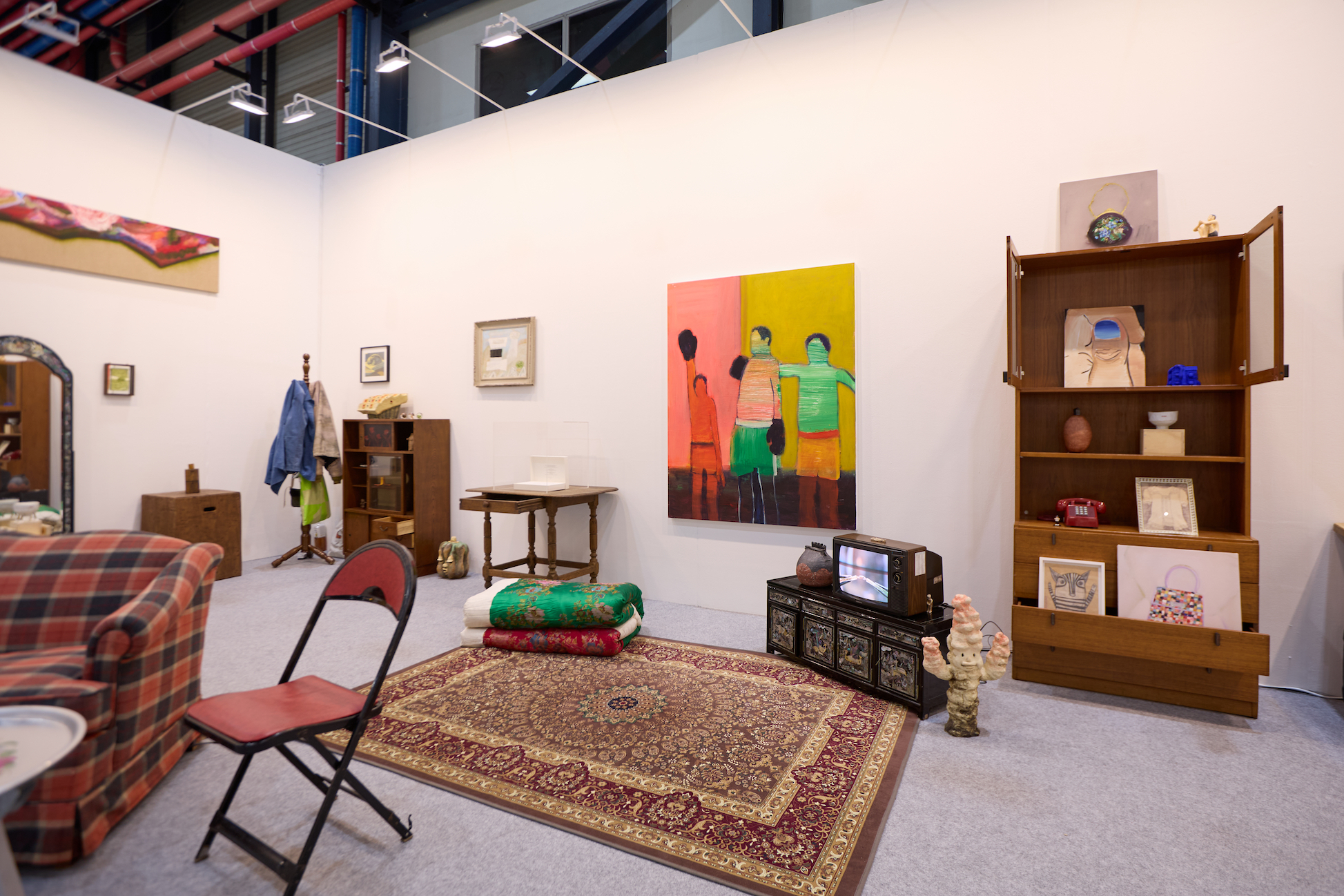
And as you can tell from the name, ArtOnO stands for Art One and Only. So our goal is not to become the best or the biggest. My idea with the fair was to mix up all the small, big, young and old galleries all together. And so, for example, people have seen Esther Schipper next to a really young gallery and, you know, a really small gallery next to Chantal Crousel or Massimo De Carlo. So that's what we don't see from other fairs. They have to divide sectors like the new discoveries sector and blue chip sector. But I want to mix up everything all together.
Normally when you see art fair directors, they're all from either art fairs or galleries or art critics, people who worked in the field. But I was like 100% collector side, which is a consumer. So I think that's our strength and weakness at the same time. Because I see things and I tell my team that I want to do this and do that.
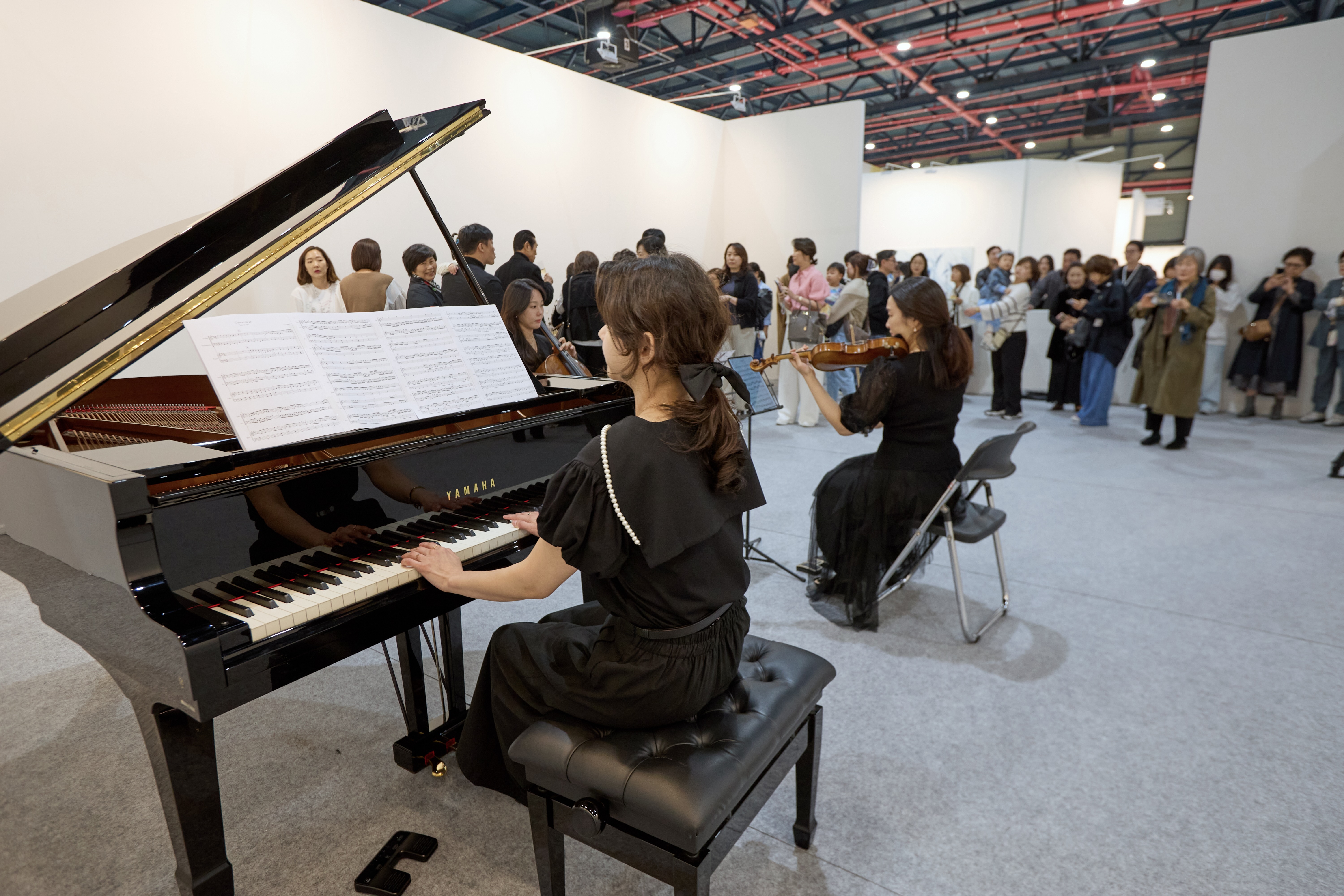
And I do care a lot about their experiences, not just selling artworks. But on the other side, we're spending so much on their experiences. I want to make people feel comfortable and I want them to feel, you know, welcomed from the fair and spend more time there. So from the management side, we're, I would say, spending more than what we are supposed to. But I think that's what makes our OnO a little bit different from other fairs.
I do treat all those galleries as, you know, they're all my friends, not just partners. So I want them to, you know, work in a better environment, even for exhibitors too. So that brings better results for everybody.
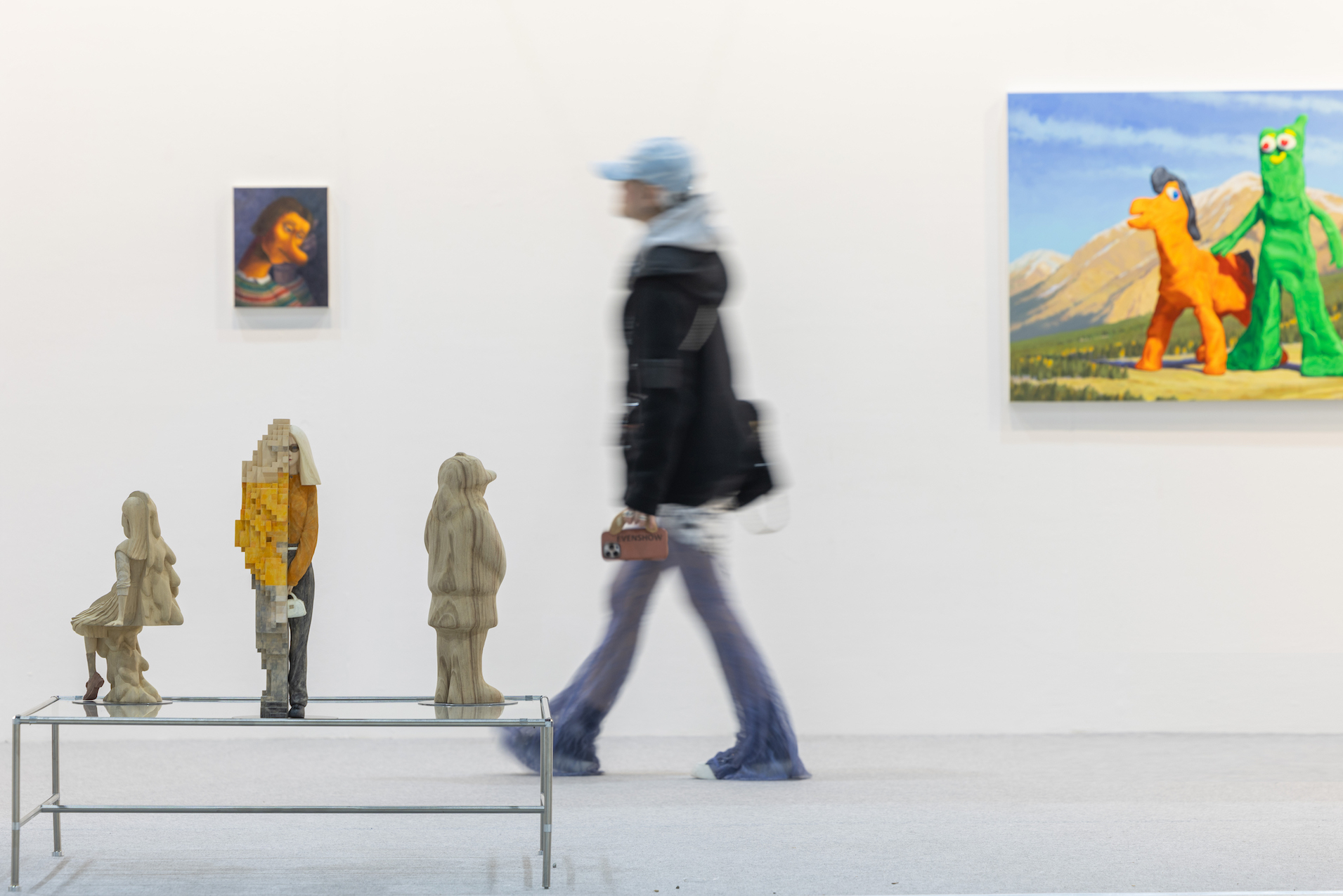
I always think that if you are not too greedy, then you can create something fun. Which means, I am not pushing myself to make profit at the moment. I do care about everybody, but primarily we are targeting the people who love art, not just about random people. Publics are important too, but that's our second category. I would say we are definitely targeting people who collect art or even who don't collect art yet, but are still interested in knowing more about artists and artworks. Although I do want to have more publics, I don't want galleries to suffer too much.
Even from the beginning, I thought that visitor-wise, it had to be focused more within Asia. Because for Westerners, it doesn't make sense for them to travel twice to Seoul. Because we already had Frieze Seoul happening in September, and I wanted to focus more within Asia. Exhibitor-wise, we're definitely international, because I don't want to see a local or regional fair in Seoul. It's definitely an international fair that we're heading to. That's why we had 40 galleries from 18 countries in the last edition, which is very diverse.
We do care a lot about the quality, but also the diversity too. Because I don't want to see this gallery similar to what it showed at the other fair. So for example, we only had one artist that overlapped between two booths. So besides that, everybody we had at the booths, they're all different artists. So that's why people think, though it's a much smaller size scale, but still people think it's very fun, because they see different things. They don't see the same artists here and there.
We invite only. We don't do applications. We do a lot of meetings with the galleries even before taking up registration. Because I ask them to bring different artists from what they bring to Art Basel. Because obviously there are four Art Basels and four Friezes. So if we're having the same names, then there's no way we can get the good quality works. So I would rather have a different name.
And galleries need it too. They have over 50 or sometimes over 100 artists on their roster, but they just don't have the platform. And at the mega fair, they have to cover up the cost, so they can't present something risky at bigger fairs. So I tell them to do so at Art OnO.
Compared to Freeze, galleries pay us less than half to take part in Art OnO.
So to start with, my simple answer is yes. Even until like five years ago, people considered collecting art only for those who are privileged or rich. But now people have an understanding that they can actually buy an artwork. They never thought about it in the past, but they know that there's a huge, big range in terms of pricing for artworks.
But the market in Korea compared to even other Asian countries, like China or Japan, we're different. Because China, obviously, it's a huge market, so we don't have to talk about that. Japan...I think the difference between the Japanese and Korean art scene is that we're much more open to international people, and we do welcome people coming from overseas. While in Japan, people are nice and kind, they're not so open to international culture.
In Korea, people are very trendy, sometimes too trendy. So they do follow lots of new stuff.
Those international galleries coming into Seoul, they're not just looking at Korean collectors, but also they're looking at other Asian collectors. That's why they're coming here. They're not targeting just the local collectors, but they do expect to expand in Asia, then they need to have their branches somewhere.
Basically, we have no tax on art. You know, like you said, there is some small tax for people who purchase artwork from international artists, and when it costs more than 50,000 USD. But still, that's only less than 5% tax. And when you're selling or buying an artwork, there's no tax at all. There's no other place better than this.
And regarding government support, I do get that question a lot from international people, but I think…how can I explain this? I never got any support from the government. Zero. I would say there are some supports, but it really depends on, it's all about paperwork. I hate to say this, but, you know, it's tough. But I think Frieze is getting great support.

I definitely collect a lot of, I would say young talents, emerging artists, and I do collect some of blue chip artists. They're mostly international, and some are local, too. I came back to Seoul in 2019, and until that time, it was 100% international, and since then, I started collecting local artists, and I do support a lot of young talents in Korea. But I don't really think about their nationality when I collect them. I try not to limit myself too much on those like, you know, ages, or nationality, or region. I have lots of figurative paintings, and I personally love sculptures, and installations, too.

At home, Noh shares his life - and his collection - with his wife, pianist SoHyun Park. Together, they’ve opened their private collection to the public through a three-story exhibition space in the Shinchon district of Seoul. More than just a display venue, the space serves as a hub for gatherings, intimate visits, and special programs held during Frieze Seoul each September.
The next Art OnO edition takes place in April 2026 at Setec Seoul.
Click here to see more.
(All images: Courtesy of Art OnO)