.svg)
Menu

In our previous article, we discussed how to properly document your blockchain-based art collection. Now, we turn our attention to one of the most critical aspects of collecting NFTs: secure storage. While physical art collectors rely on temperature-controlled storage facilities and insurance policies, NFT collectors need to master technical tools and understand blockchain data structure to protect their digital assets. That's why we're continuing our series designed to help you navigate this new landscape and keep your NFTs secure. Here's what our complete series covers:
Let's dive into the essentials of NFT storage.
In the blockchain world, you have complete control over your digital assets—which means you're also fully responsible for keeping them safe. Unlike traditional banking where institutions can help recover lost accounts, or Web2 where companies can reset your passwords, there's no safety net in Web3. Here, one golden rule applies: the security of your digital art collection depends entirely on protecting your private keys. If these keys are lost or stolen, you permanently lose access to your assets—and unlike physical art, there's no insurance to cover this loss.
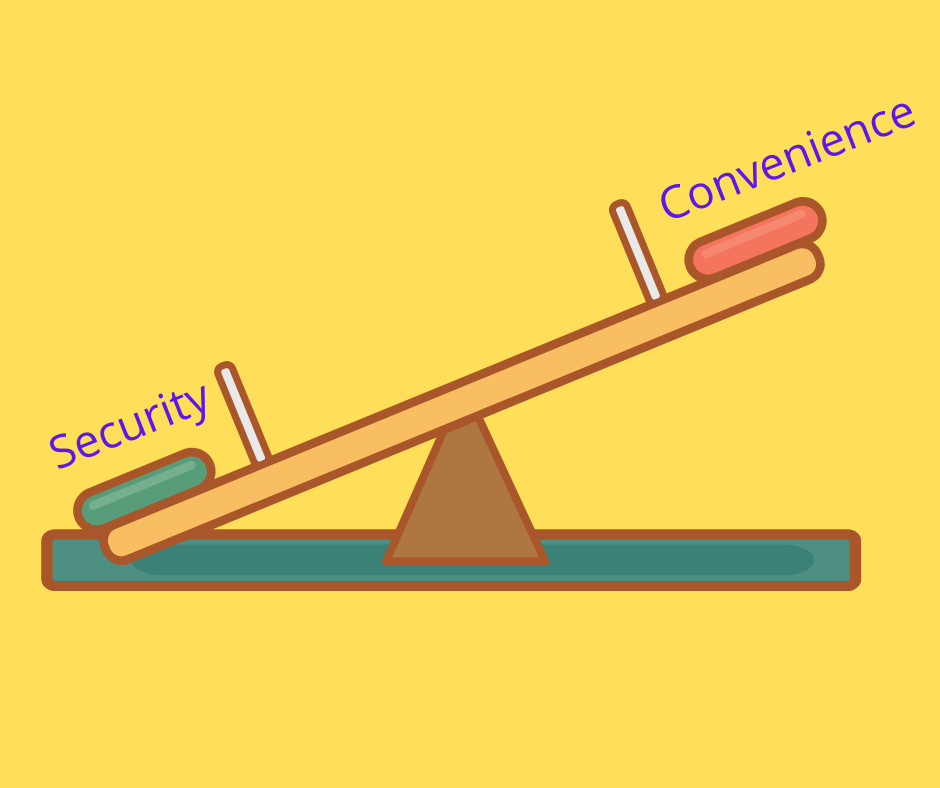
While custodial solutions exist for those who prefer not to handle this responsibility, these solutions revert to the Web2 model and sacrifice the innovation of true asset ownership. As with any technology, you must balance security with convenience—you can't have your cake and eat it too!
There are two primary ways to categorize cryptocurrency wallets: by their connection type (hot vs. cold) and by their management model (self-custody vs. third-party).
Hot wallets are digital wallets connected to the internet, commonly used for active trading and frequent transactions. While convenient and beginner-friendly, they are more vulnerable to security threats due to their constant Internet connection.
Examples of hot wallets: MetaMask, Exodus, Coinbase Wallet, Trust, Edge, Temple (Tezos), and many other browser-based wallets.
Cold wallets are physical hardware devices that store your cryptocurrency offline, providing significantly enhanced security. Think of them as digital safes for your most valuable assets, making them essential for long-term storage of valuable NFTs and cryptocurrencies. These offline devices offer superior protection against online threats and hacking attempts. Leading hardware wallet manufacturers implement military-grade security features, such as secure element chips, to ensure maximum protection for your digital assets.
Examples of cold wallets: Ledger, Trezor, Keepkey
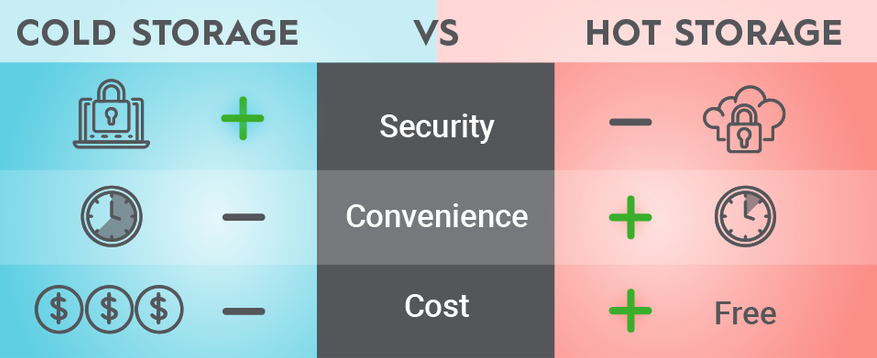
A good visual representation from https://www.fool.com/terms/c/cold-storage/
With self-custody or custodial wallets, you have complete control and responsibility over your private keys and digital assets. This means you don't rely on any third party to access or manage your collection, but you must be extremely careful with security and key management. Self-custody can be implemented through either hot or cold wallets, with cold storage being the most secure option for valuable collections.
These are wallets where a third party, such as an exchange or custodial service, manages the private keys on your behalf. Almost all third-party managed solutions are hot wallets, as they need to maintain constant internet connection for trading and transactions. While this reduces personal responsibility for security, it means trusting another entity with your assets. Examples include exchange wallets like Coinbase and institutional custody solutions.
For most serious collectors, a combination approach is recommended: using self-custody cold storage for long-term holdings and valuable pieces, while maintaining third-party or hot wallets for active trading and smaller transactions.
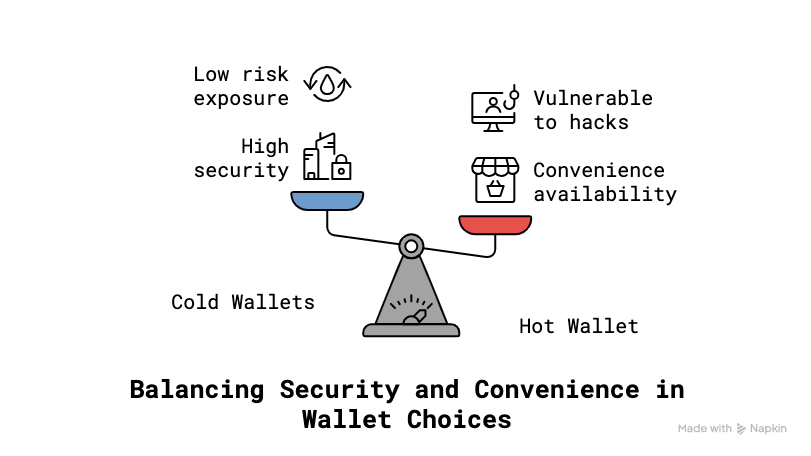
It's recommended to use separate wallets for different purposes: maintain a dedicated cold wallet as your "vault" for long-term NFT collection storage (though be aware that even hardware wallets can malfunction and require trustworthy manufacturers), keep another cold wallet specifically for cryptocurrency holdings to minimize risk exposure, and use a hot wallet with minimal funds for active trading (keeping in mind these software wallets are more vulnerable to hacks due to their internet connection).

Follow these critical security practices to protect your collection:
For high-value collections, consider these additional security steps:

Setting up secure storage for your digital art collection can be complex and overwhelming. We're here to help! Our team can guide you through wallet setup, security best practices, and connect you with trusted hardware wallet specialists who can provide additional recommendations tailored to your collection's needs.
Start by booking your first advisory session with us to assess your requirements. This is free, as a benefit of your membership to 100 collectors.
Request your advisory session now >
Or contact us