.svg)
Menu
“The word Photography literally means ‘drawing with light.’ It is the process of recording a two-dimensional image using light.
What if, instead of drawing with light, we drew with code, utilizing the data that is all around us?
Can we open up other dimensions this way? Can a machine create a photograph? The exhibition we are talking about here is From Code to Imagery, curated by myself and Georg Bak for Makersplace on the occasion of Paris Photo at Galerie Joseph. And the quote is mine, as I was trying to explain what will be explored in this show.
I would also like to share a powerful quote from Kevin Abosch, who, when creating a video about his new series Occitanie - that will indeed be presented in this show - mentioned:
"We are without a doubt in the midst of a photographic renaissance. My own relationship with cameras and machine learning goes back more than 30 years, and yet I feel like I'm just getting started."
And I really agree with this.
As I delved into the artists' selection and the Ai photography scene, I was struck by the profound and fascinating discussions that emerged. A particularly enjoyable one was with Crosslucid, even though they are not part of this exhibition.
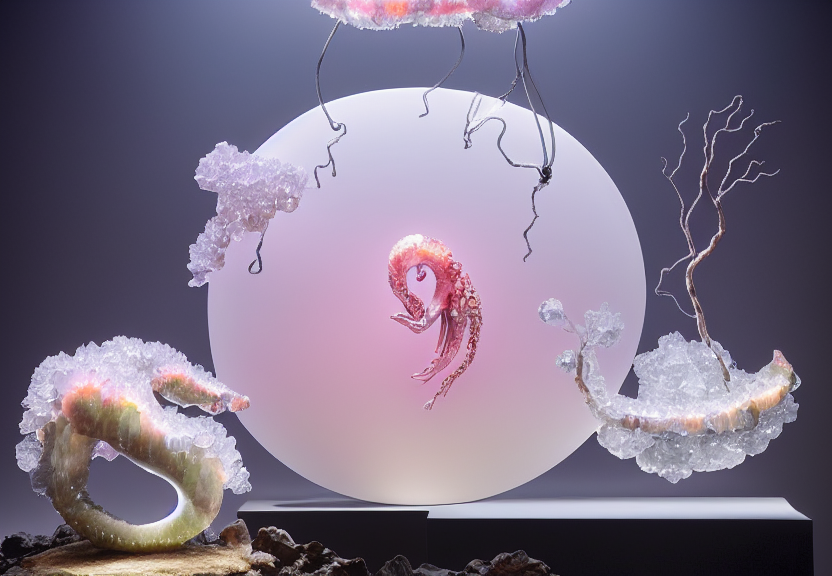
While talking about their works with AI and how they approach this subject in projects like "There is a resistance to memory inside the memory itself. A Symphony in Five Acts" we started to talk about what it even means to take a photo with AI.
Taking photos has made it possible for a moment in space and time to be captured and immortalized through the use of light. But the real question, now that we have access to new tools is: What is between these moments that we can capture? If we take a photo of a moment/space A and a moment/space B, what is between these two that we weren't able to see, to perceive, and that now we can actually have access to because of the availability of tools like AI? Imagine taking a photo of what is around us, the floating data, the other dimensions we can't perceive with our bodies. Are there other worlds all around created by data? What if instead of drawing with light, we draw with code?
I am so excited about technologies like AI that are reshaping the notion itself of what things are and can be.
So, what is photography? And especially: what can it be?
All these thoughts personally accompanied me while building this exhibition and inviting artists like David Young and Kevin Abosch. Georg invited Ganbrood and one of the absolute pioneers of Generative Photography: Hein Gravenhorst.
I have known David Young for many years, and I have always found his exploration of AI to be one of the most interesting I have ever encountered in the digital art space. David is a great writer, researcher, and even professor, other than a fantastic artist, and he has these writings on AI that I sincerely suggest you read if you are curious about a different approach to what is working with AI in the creative field.
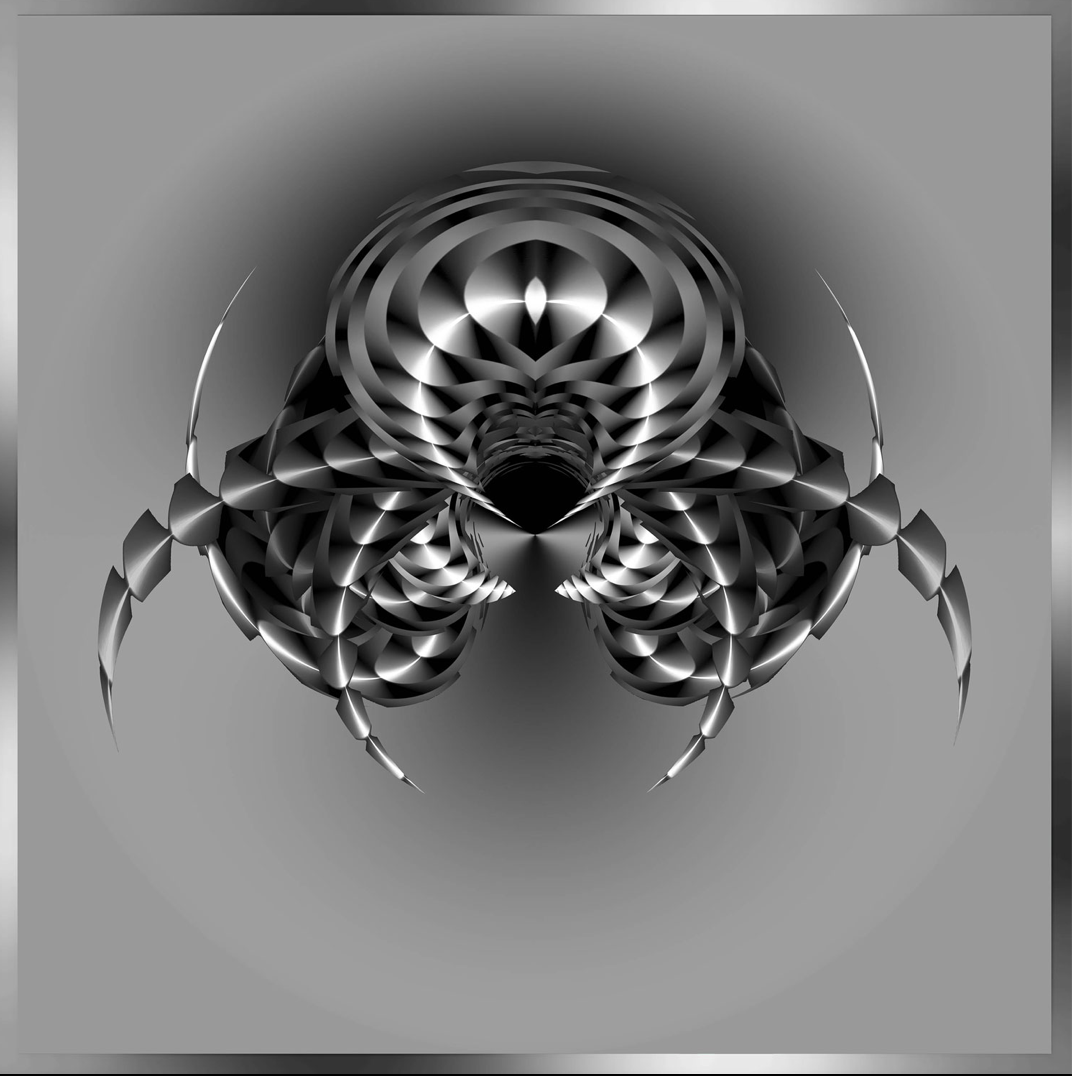
For From Code to Imagery, we present his works from three different series: Manipulations, Hallucinations, and Tabula Rasa.
One of the most exciting explorations of David’s work - present in all these series - has been the consideration of the machines’ perspective while creating with AI. While machines appear to create images based on what they have been shown, this assumption is shaped by human biases. Machines perceive differently, so their creations might include elements not visible to human eyes. By manipulating these images, the goal is to reveal hidden patterns or the "irrational logic" that may be apparent to the machine but not to humans. David often uses very little data to work at the scale of the personal and engage directly with AI, which he likes to call “Little AI.”
Kevin, who I have also known since my start in the digital art space and who needs no presentations, has most recently premiered a fully AI-generated feature film, “_Am I_?” at the Helsinki Film Festival. I am honestly looking forward to watching it.
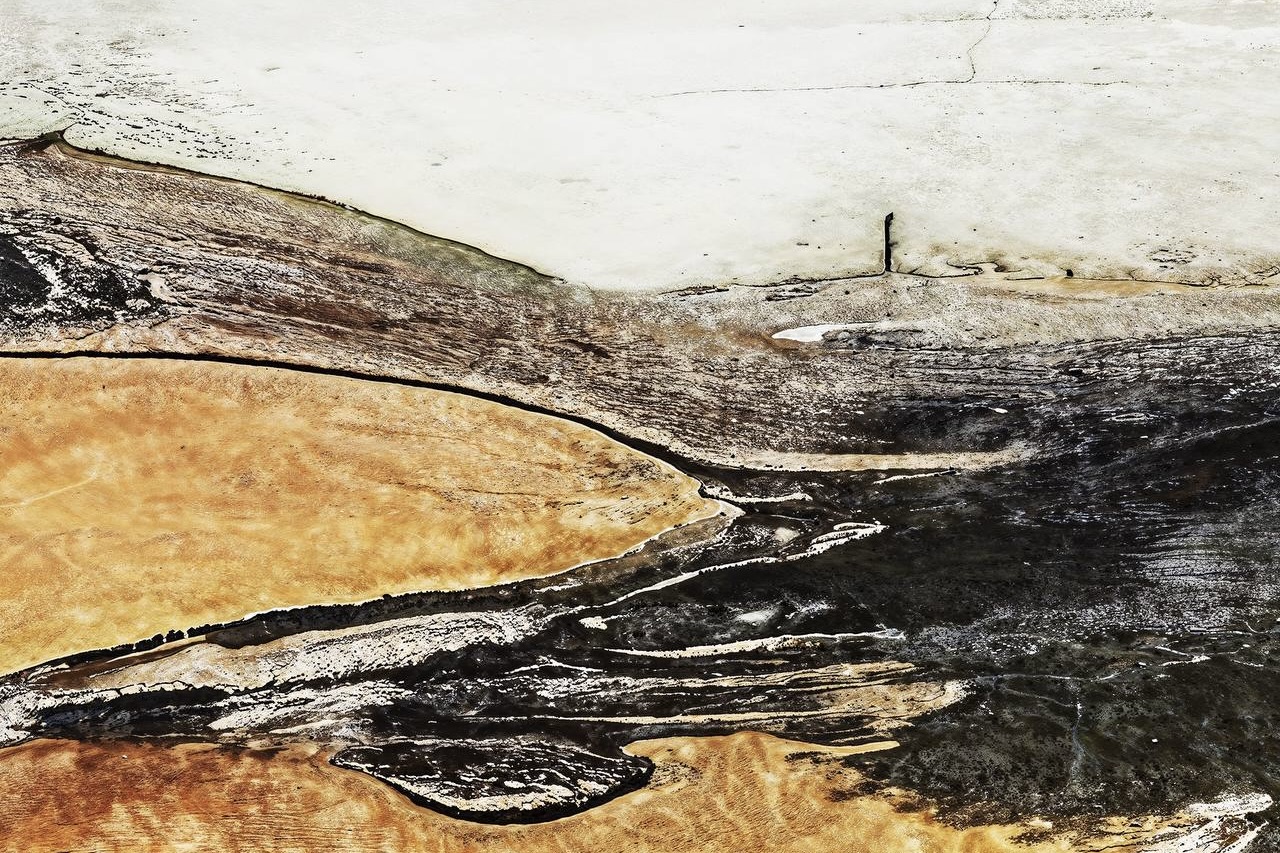
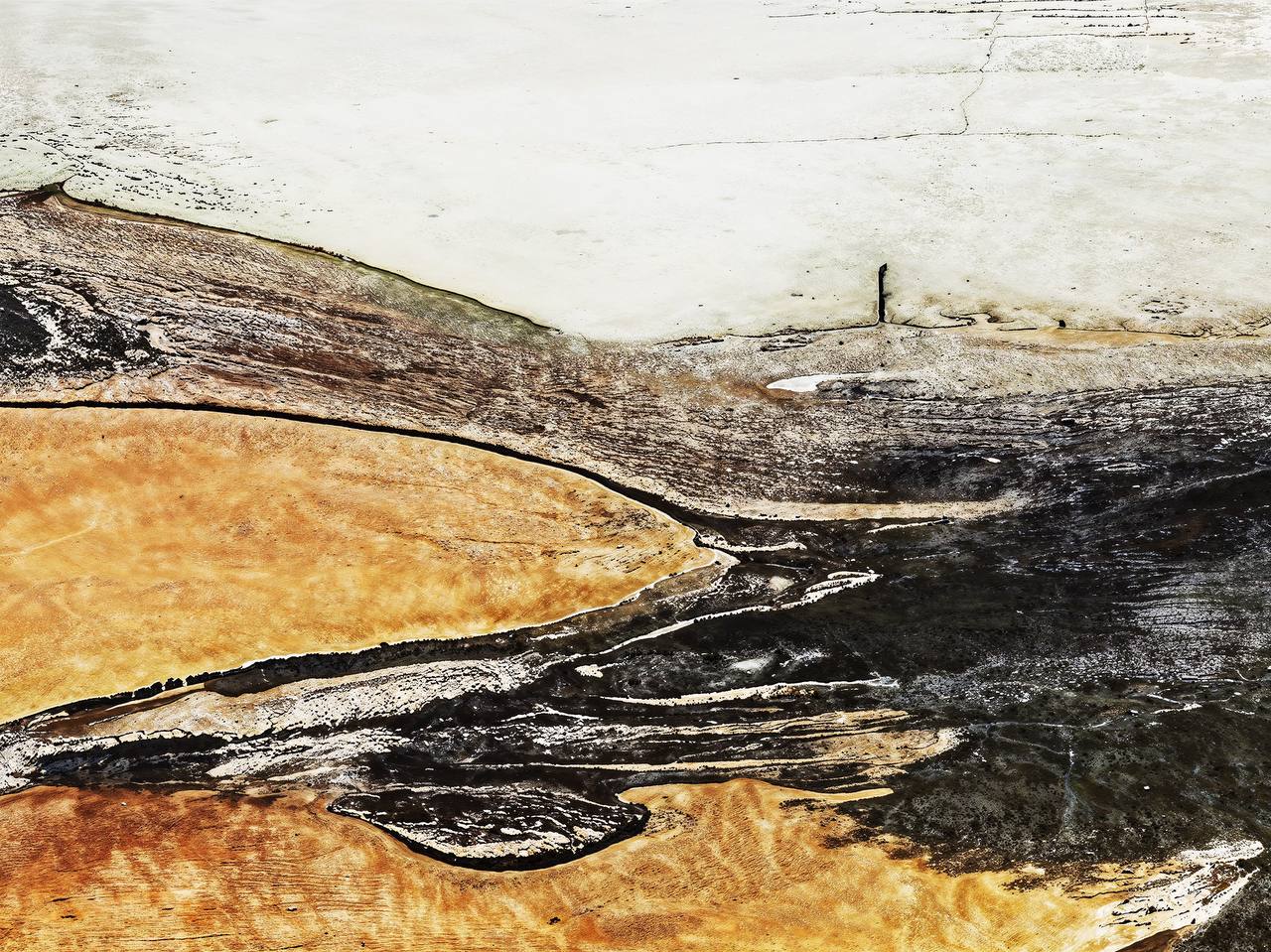
In the meantime, for this show, we present a selection of works from his brand-new series ‘Occitanie.’ These AI landscapes from the French region bearing the same name began their life during the COVID lockdown when Abosch built an AI diffusion model from the many thousands of landscape photographs he made with an iPhone. In 2024, Kevin generated a set of AI landscapes from his 2022 model and used a suite of new tools to shape the images further and to make them more emotionally resonant.
And the other amazing protagonist of this show who uses AI in his art and photography is Ganbrood, for whom I will direct you to this interview that MakersPlace has done with him that dives very deep into the artist's practice and thought process.
Three very different approaches to photography and AI photography are still connected through the fil rouge of exploration and pushing medium and definitions of artistic practices.
For me, looking at a photo has never been so fun and exciting.
What photography is, we will discover in the coming years, while it will keep forever evolving. Would we be able to capture essence very soon? These are all questions that I am raising here, but the only answer - and I will conclude my article in the same way I have started it - is, as Kevin said, this is a photographic renaissance. Enjoy it!
.jpg)