.svg)
Menu
In November 2024, I participated in a residency for "artists, scholars, curators and programmers building at the intersection of Art and Blockchain": Glitch, organized every year - this was the fourth edition - by Primavera De Filippi at the Chateau du Fey in France.
This year, the focus of the residency was [Synthetic] LIFE: "We invite all residents, artists and non-artists, to think outside of the box and to explore usages of blockchain technology that leverage alternative forms of intelligence—be it artificial intelligence, emotional intelligence, corporeal intelligence, and all the intelligence stemming from animals or other living beings—for the production of artistic works that promote collaboration between humans and machines, humans and nature, humans and non-humans, both in the tangible and intangible worlds."
As part of the programming and participating artists, I had a very close and intense meeting with what they call BIO ART.
What is bio art? As per ChatGPT: Bio Art is an innovative field that bridges art, biology, and technology, using living systems as both medium and subject. Emerging in the late 20th century alongside advancements in biotechnology, it explores themes such as genetic manipulation, ecological balance, and the ethics of life sciences.
In this article, I will talk about the projects of one of the two bio artists that I have met at Glitch.
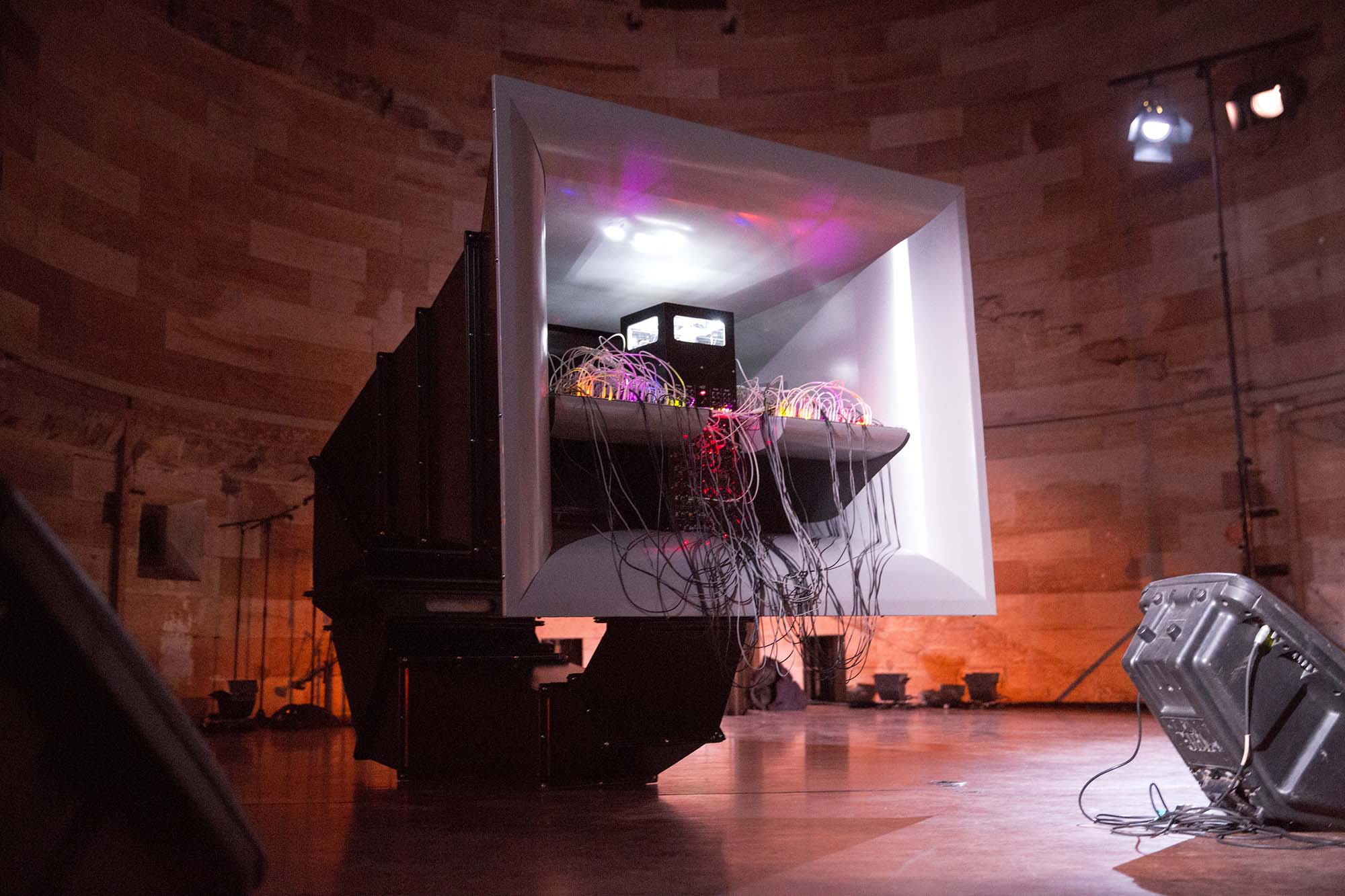
Guy Ben-Ary is a Perth-based artist and researcher who currently works at SymbioticA, an artistic laboratory dedicated to the research, learning, and hands-on engagement with the life sciences, located within the University of Western Australia, and who specializes in biotechnological artwork, which aims to enrich our understanding of what it means to be alive. While presenting his work during the residency, he focused on one of his incredible collaborative projects with Nathan Thompson: Music for a Surrogate Performer. This work reinterprets Alvin Lucier’s pioneering 1965 work, Music for Solo Performer. In Lucier's original piece, alpha brainwaves generated by the performer’s mind were used to activate percussion instruments, making it one of the first examples of biofeedback in art. In this reimagined version, Ben-Ary and Thompson worked with Lucier to replace the human performer with a biological neural network created from Lucier’s own cells.And I thought I would go to Glitch to talk about digital neural networks! While I found myself discussing the original ones, the actual physical neural networks!This neural network is grown in a lab and acts as a surrogate brain, autonomously controlling a modular synthesizer to generate music. The result is a system where the composition arises from the network’s biological activity, exploring what happens when human consciousness is removed from the creative process.
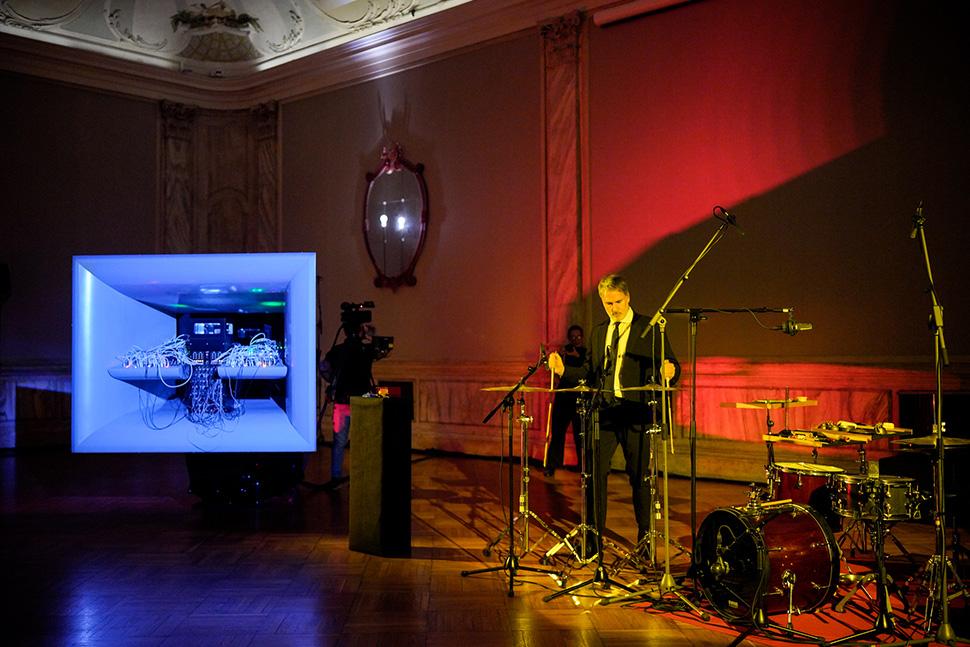
But as if this wasn't enough, the fascinating, controversial, discussable part has yet to come.When Lucier was still alive, it wasn't possible for Guy Ben-Ary and Nathan Thompson to perform together with the composer for different reasons and circumstances. So before the composer passed away, when he already knew and felt that his end would come soon, Lucier agreed with the two artists to grow a biological neural network from his own cells even after his death and go ahead with the experiment of the performance. This innovative use of his cellular material creates a literal and conceptual surrogate for the composer, allowing his essence to remain central to the performance, even in his absence.The neural network, derived from Lucier’s cells, takes on the role of the "performer," autonomously generating sound by controlling a modular synthesizer. This approach both honors Lucier’s groundbreaking exploration of biofeedback and the interplay between the human body and sound and pushes the boundaries of what constitutes a performer or collaboration.
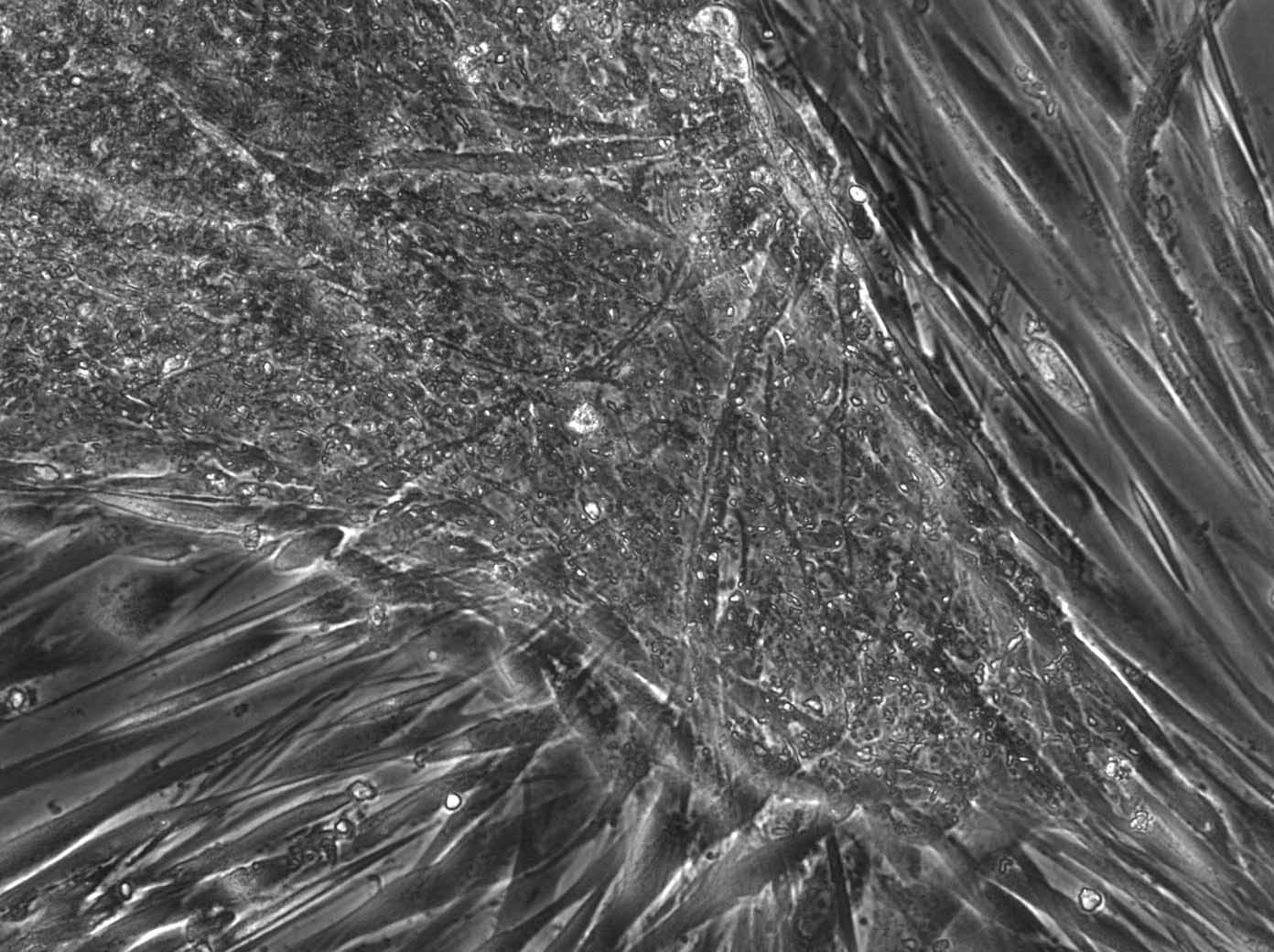
By engaging with Lucier's cellular presence, we think about life and death while questioning memory, legacy, and agency in art. Can collaboration transcend physical limitations without direct interaction, creating a profound dialogue between the living and the posthumous?Is this ethical? During the entire presentation, I thought: Where are we going? Will we ever understand when to stop? Do we actually need to stop and understand when enough is enough? Does death exist anymore if we can keep someone alive through a part of their bodies, with their own biological material? Does art need to go there? Is this art, or is it pushed too far? But mainly, do we need to grow someone's cells to keep them alive in our memory? Aren't they always alive and amongst us?There was absolutely no judgment in all these questions I put myself through, instead the curiosity and fascination of what I was experiencing. One thing I am sure about is that every time I have access to cutting-edge art projects like this one, knowing that art is always at the forefront of everything in society, I think we can confirm today that this is a direction we will see a lot taking shape in the future. And I look forward to discovering what art and science will unfold for all of us.
Finally, just a suggestion to read this amazing article by Primavera De Filippi and Vincent Naples: “The Art of Mancy: Breathing Life into Technology”. (https://papers.alien.club/the-art-of-mancy-0fcee40a0765)Oh, and if you’d like to have a look at your heart and see the incredible properties of its muscle cells and their potential to be used as bio-motors or actuators: don’t miss this. (https://youtu.be/aNOvUip7PrU)
.png)