101 · New to digital art? · First cohort filled · Winter cohort registration now open · Jan-Feb 2027 · 101 · New to digital art? · First cohort filled · Winter cohort registration now open · Jan-Feb 2027 ·
.svg)
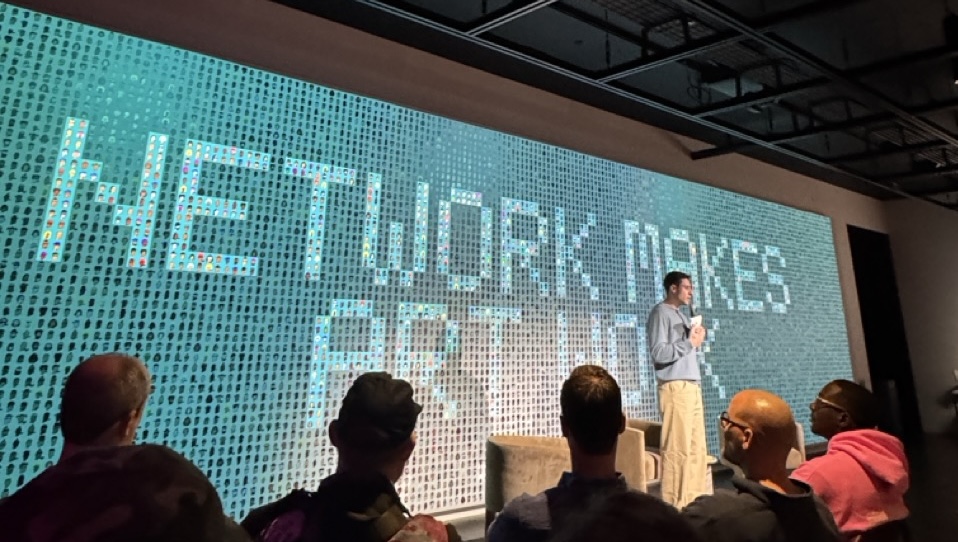
On January 23–25, 2026, NODE Foundation officially opened its doors in Palo Alto. Conceived as a nonprofit foundation rather than a commercial space, NODE positions itself as a long-term home for digital art, built with artists and designed to evolve through use, participation, and experimentation.
The opening weekend brought together artists, curators, collectors, technologists, and members of the CryptoPunks community for a dense program of talks, performances, and informal gatherings across Palo Alto and San Francisco. 100 collectors was present throughout the weekend, reporting live from the ground.
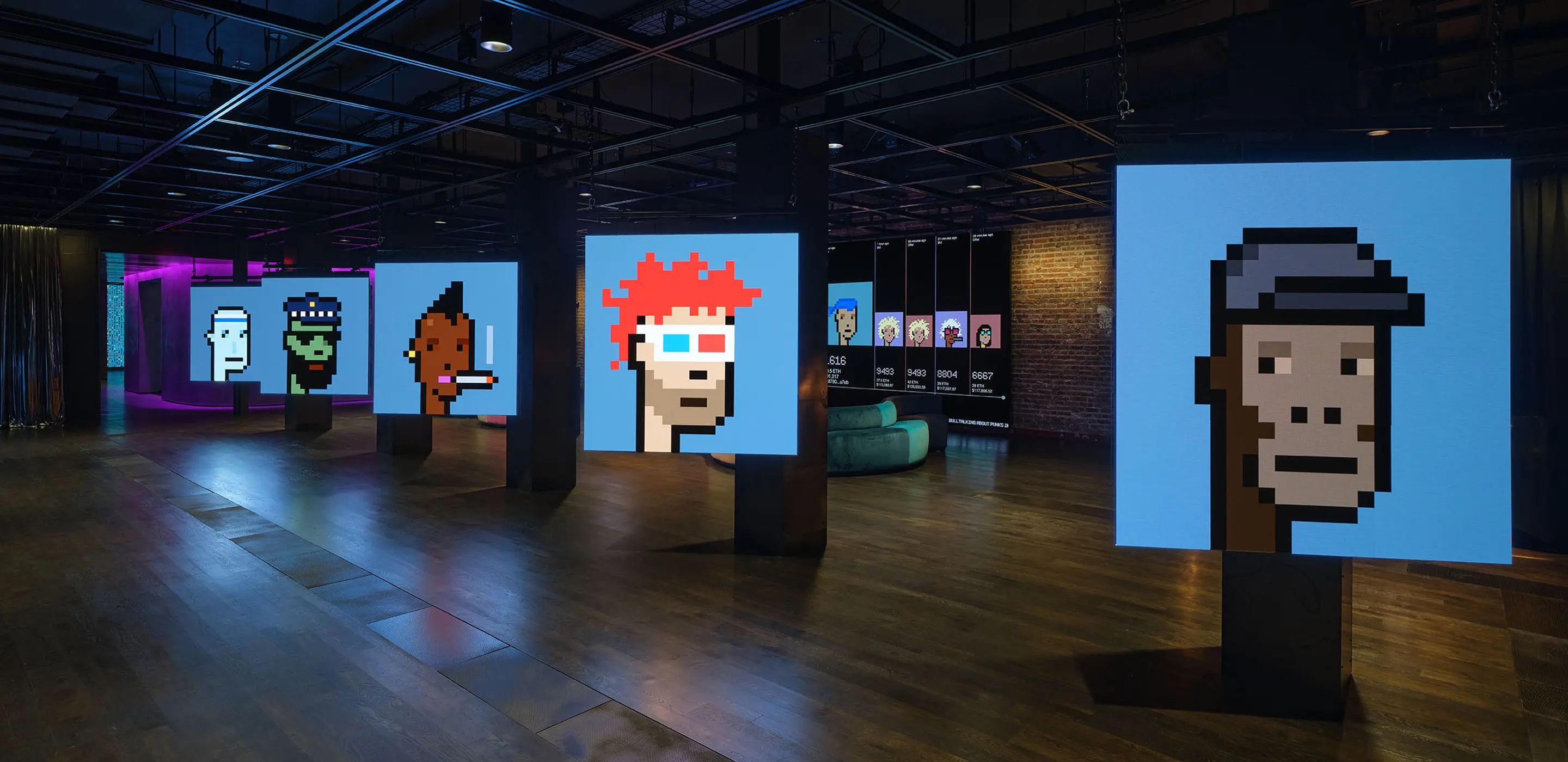
NODE opens with 10,000, the first major exhibition entirely devoted to CryptoPunks. Created in 2017 by Matt Hall and John Watkinson, CryptoPunks introduced a new model for digital authorship and ownership on the Ethereum blockchain. The project consists of 10,000 algorithmically generated portraits and an on-chain marketplace governing their circulation.
After being acquired by Yuga Labs in 2022, the CryptoPunks IP was transferred to NODE Foundation last May 2025, establishing a nonprofit structure dedicated to preservation, education, and public presentation.
The exhibition treats CryptoPunks as a living system rather than a static archive.
Visitors encounter the 246 lines of code that generated the entire collection at the entrance, alongside installations unpacking the five Punk archetypes, the 87 attributes, and the 221-color palette used across the 576 pixels of each portrait. A live Ethereum node runs inside the space, registering transactions approximately every twelve seconds. Ownership changes, bids, offers, and sales are visualized in real time, foregrounding the marketplace as an integral part of the artwork.
The exhibition was highly personalized to Cryptopunk holders, displaying a specific punk throughout the room every time a holder inserted their black card into the custom readers, allowing for a new type of experience.
The first room allowed to see the whole transaction history of your Cryptopunk, the second room allowed to see it in relief, revealing the (hidden) traits and color palette in an intimate nook, and the third room displayed 10,000 stickers of ALL cryptopunks with projected lights on top of them, allowing to see your Punk in context of the other 9,999.
The last room of the space was dedicated to the Diffuse Control sculpture by Beeple owned by NODE, where attendants could create their own edition and print it onsite (signed by Beeple).
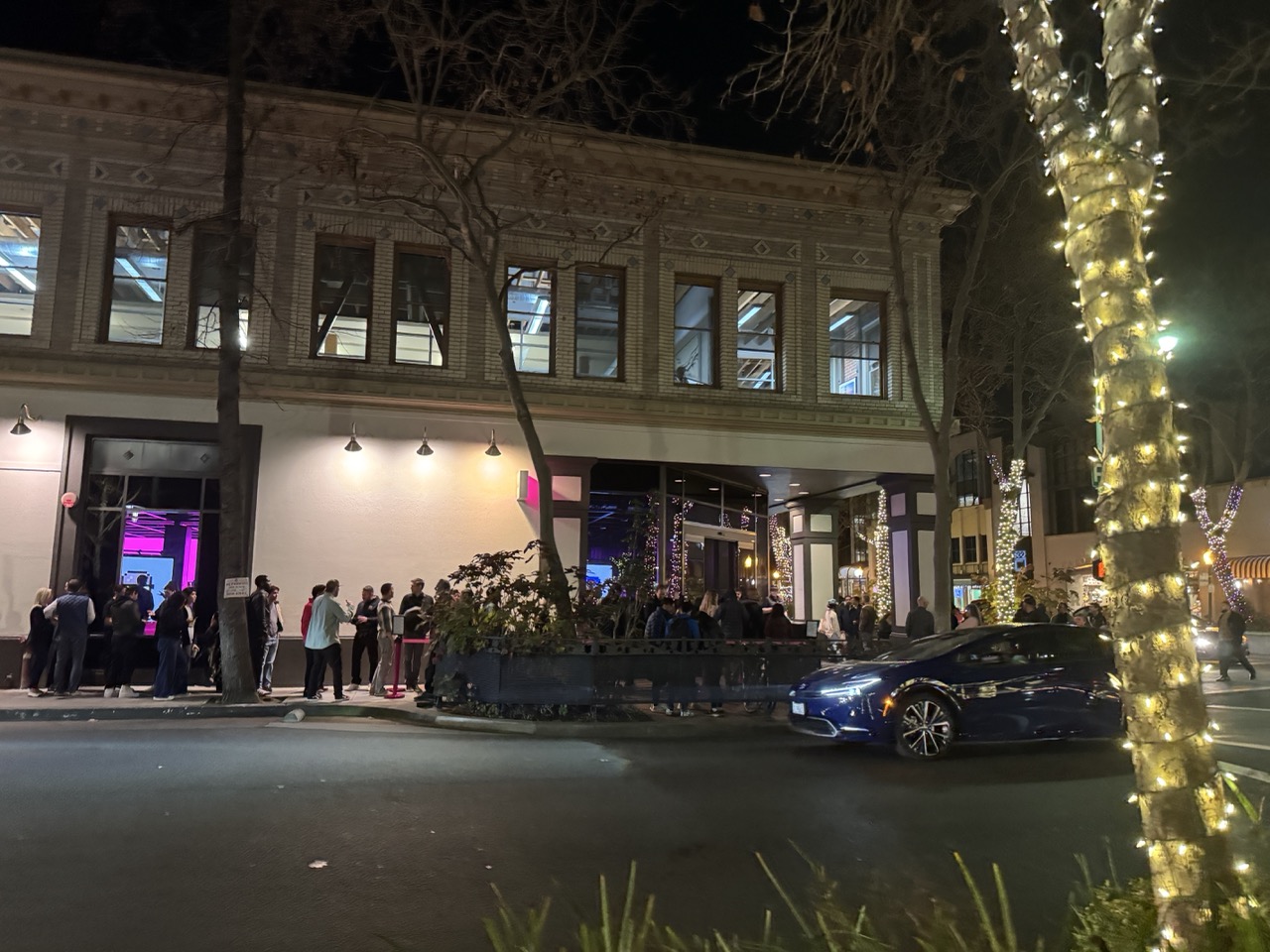
Friday marked the first day of activity around NODE.
The opening began by a Punks-only preview in the late afternoon, which allowed Punk holders to experience the exhibition ahead of the public opening in a highly customized experience of the digital art project.
The evening continued with NODE’s opening night, bringing together the extended community invited for the occasion.
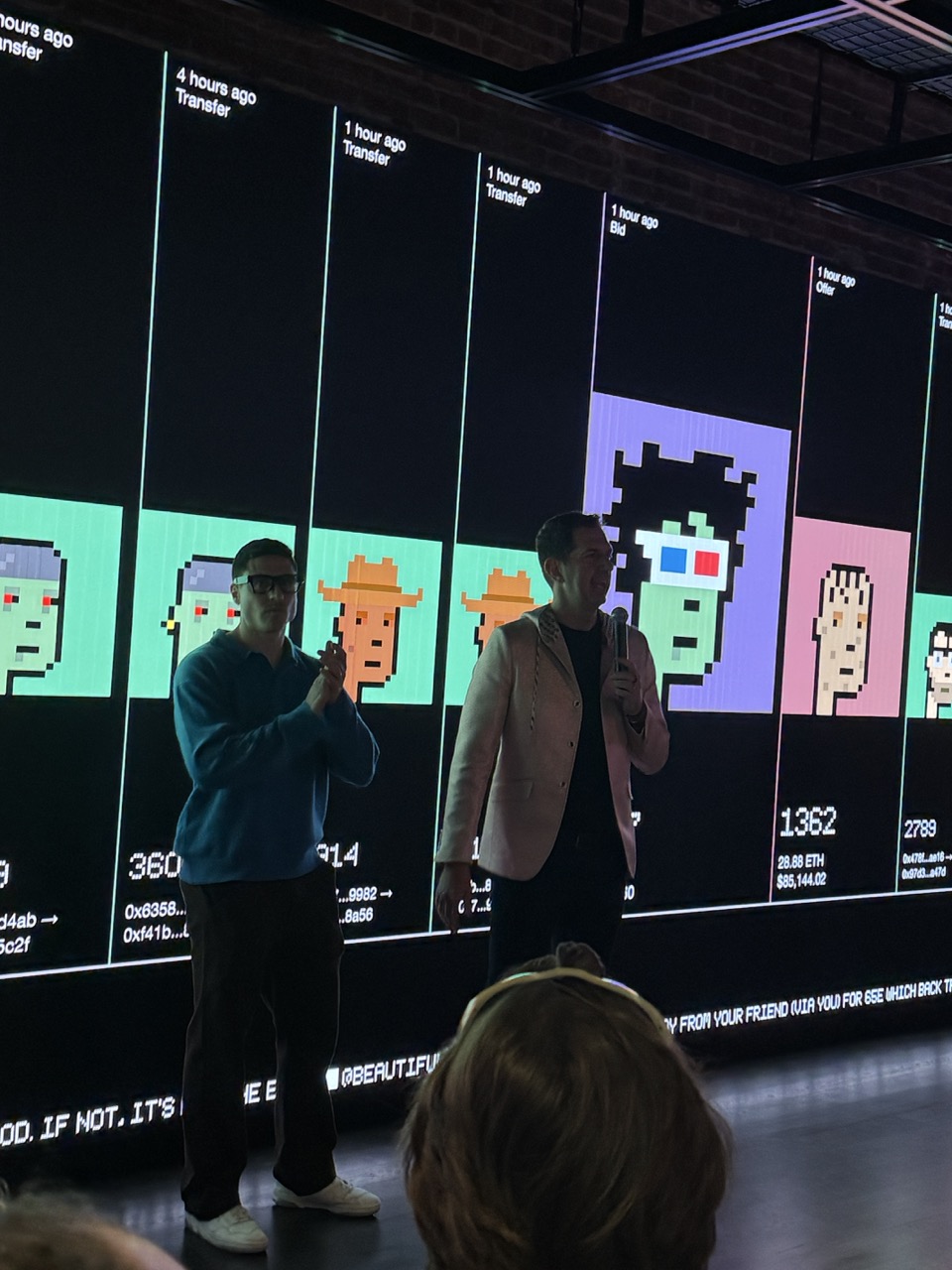
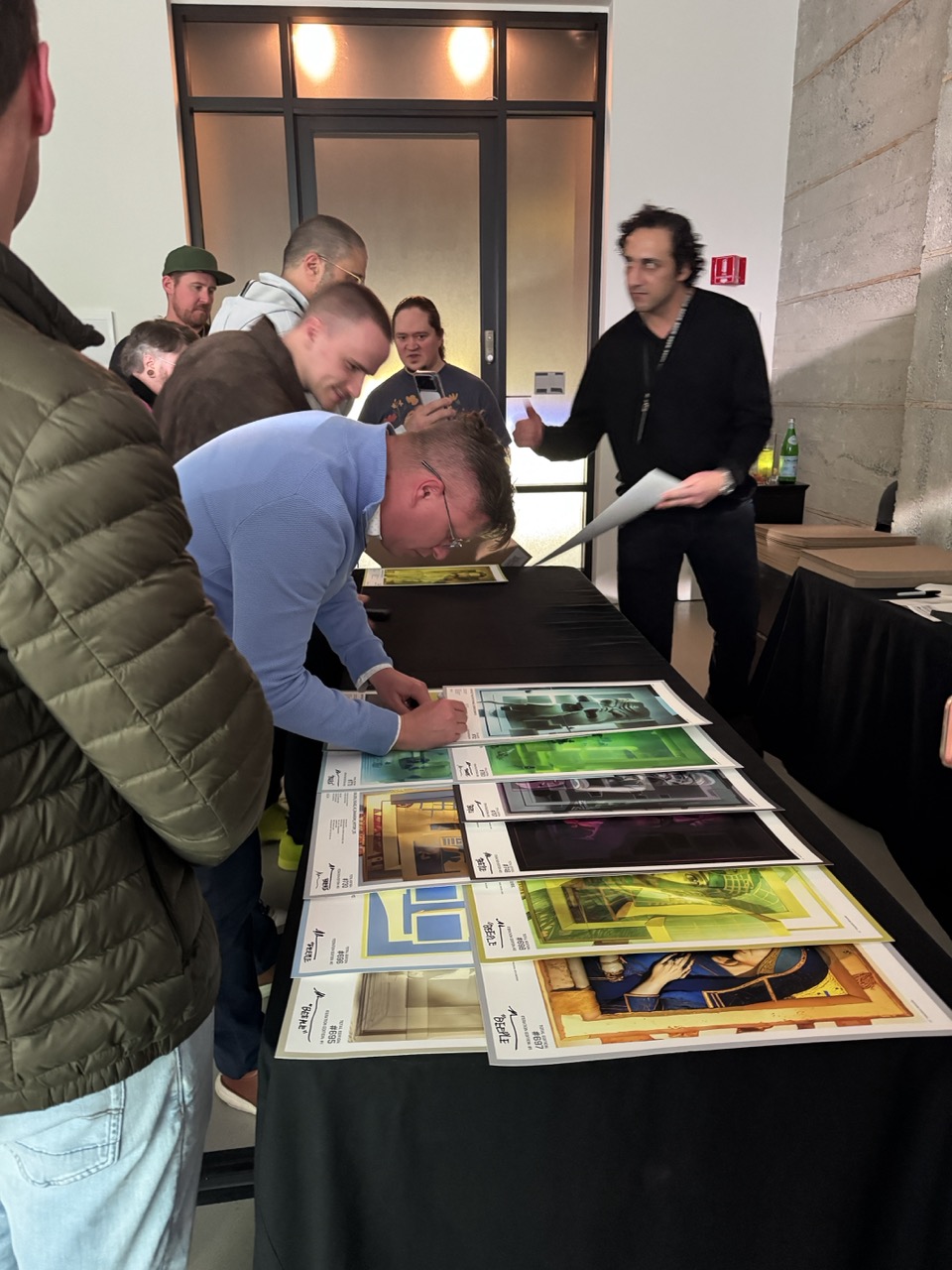
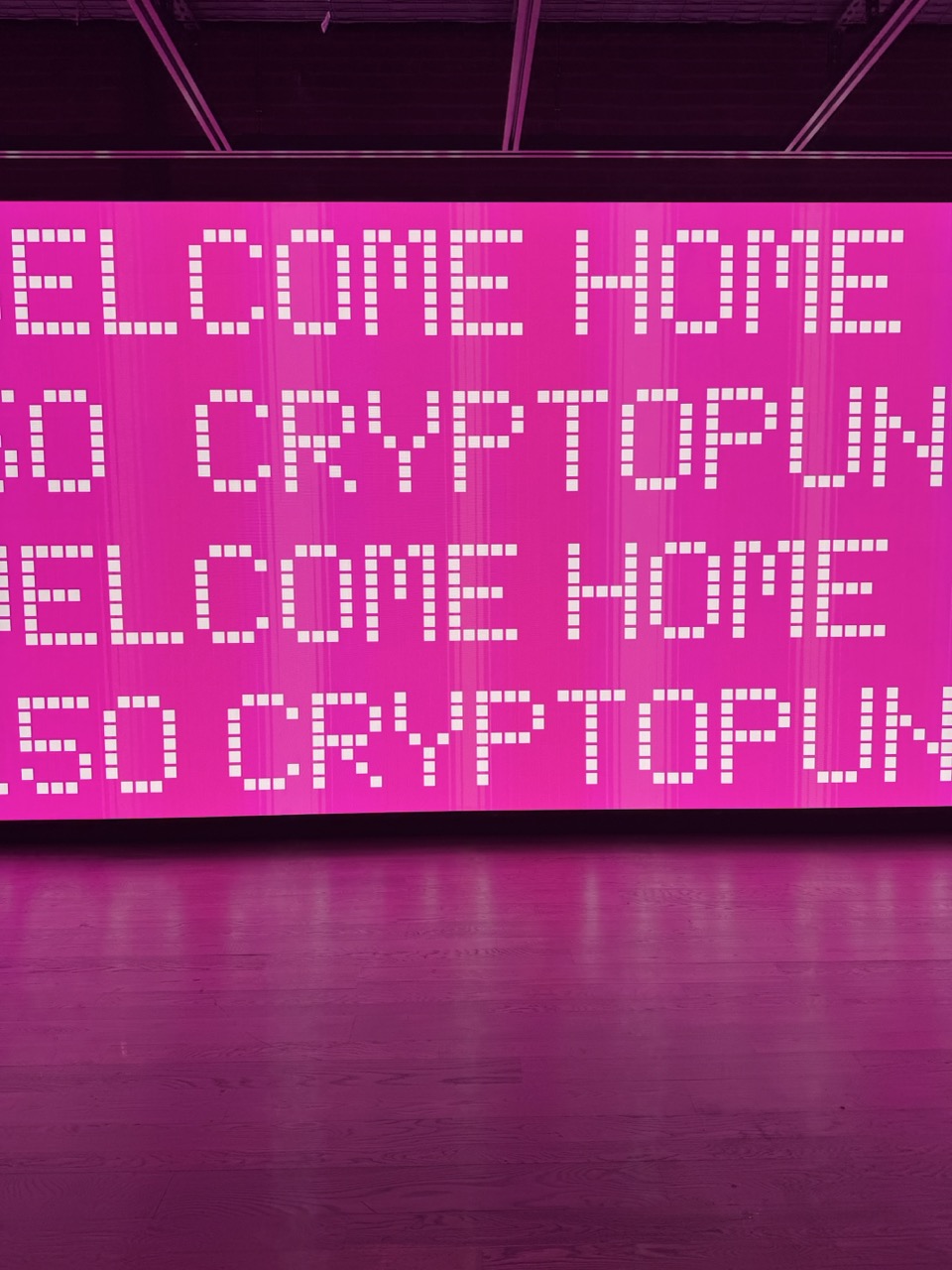
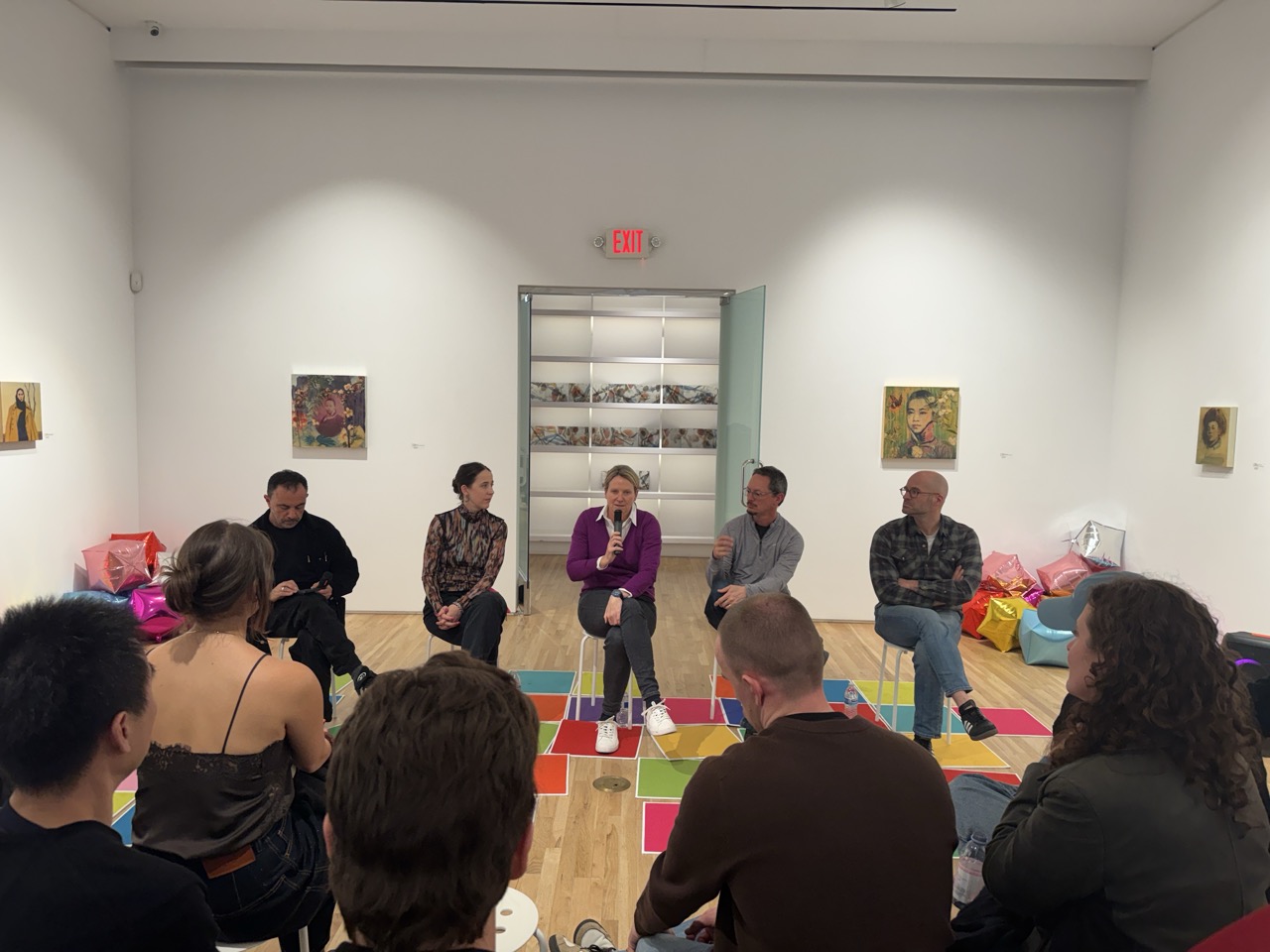
Saturday was the most programmatically dense day of the weekend, with artist talks, public discussions, and side events running throughout the day. 100 collectors reported live from the talks, sharing key moments and ideas as they unfolded.
Opening remarks by NODE founder Micky Malka framed the foundation’s ambition clearly.
“Let the artists show us the future.”
Malka addressed why NODE chose to begin with CryptoPunks. Portraiture, he argued, has historically marked the beginning of many art movements. Starting with Punks made sense as a way to anchor digital art within a longer art historical lineage, while acknowledging the specificity of on-chain culture. He also emphasized speed as a principle. NODE was built in 355 days, contrasting sharply with institutional timelines that often extend several years into the future.
NODE director Phil Mohun spoke about the process of building the space itself. “The art of our time is international, connected, and networked. This is how we built NODE.” During the talk, a new initiative was announced: a quarterly artist takeover program allowing artists to submit proposals and activate the space with new content and exhibitions. The open call, hosted via NODE’s platform, positions the space as continuously reprogrammable rather than fixed.
Questions from the audience addressed the future of the CryptoPunks IP and the role of NODE as its steward. When asked about long-term plans, speakers emphasized that preservation is already largely handled by the community itself. NODE’s role is to ensure participation remains active, interest continues to grow, and the work stays publicly legible over time. The discussion highlighted stewardship rather than ownership as the central responsibility of the foundation, along with the preservation of the project via the running of a full Ethereum node onsite, which is unheard of for an art institution and show what a new type of digital art institution could be!
Curators Natalie Stone and Amanda Schmitt addressed exhibition decisions and production challenges. One detail repeatedly noted was the physical installation of the Punks. “These are 10,000 individually placed stickers. Every pixel is important, as every Punk is a portrait.” The refusal to flatten the project into a single image or screen was deliberate, reinforcing the individuality of each Punk while maintaining the collective logic of the system. Stone also noted that when something resists easy labeling, it often indicates that something new is happening.
The conversations also addressed broader questions around AI, decentralization, and institutional responsibility. Malka responded directly to a question about building a new art institution at a time of rapid technological change.
“AI is here to stay. We embrace it and empower it.” Another intervention highlighted the less visible side of decentralization. A proposal was raised to acknowledge lost, stolen, or forgotten Punks, emphasizing that decentralization comes with responsibility as well as freedom.
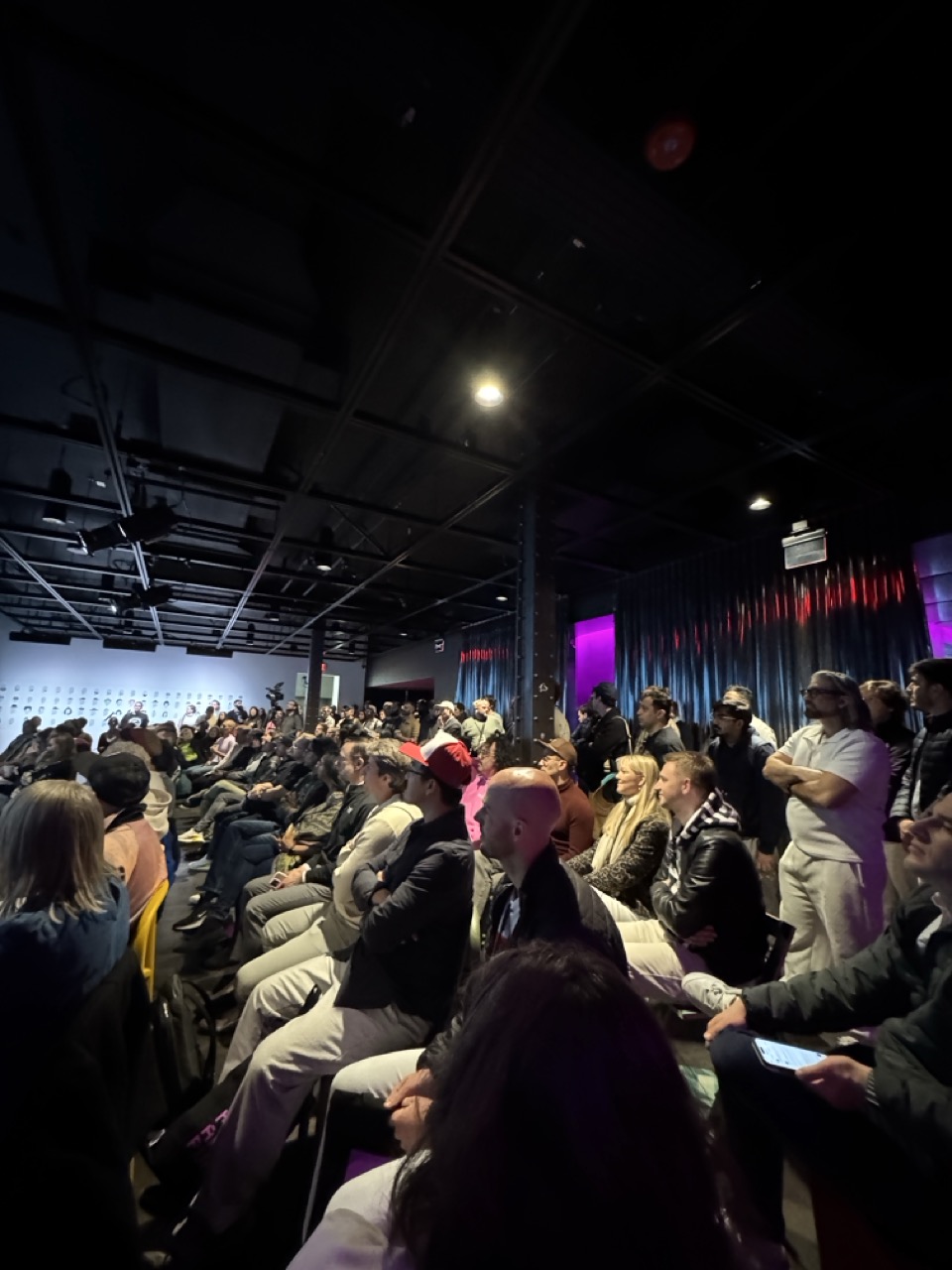
Beyond the talks, the weekend included a series of side events that extended the opening beyond the exhibition space.
- The Meebits Cafe
- A group photo was taken in front of the Punks mural painted by Masnah
- A one day exhibition by NEORT+ and GlimmerDAO
- A panel discussion by Tribute Labs
- A casual dinner at Dutch Goose by Benny Redbeard
- Drinks organized by Bright Moments
Sunday saw the traditional Cryptopunks brunch and an afternoon visit of the new Superchief space in San Francisco to conclude the weekend.
NODE’s opening weekend marked a significant moment for digital art. The foundation clearly articulated its priorities: presentation, education, and preservation, anchored in an artist-led model, which we will keep an eye on in the following month to see if the promises are realized. The location and the team are here for success!