101 · New to digital art collecting? · Fall cohort · 20 places · Join before Sept 30 · 101 · New to digital art collecting? · Fall cohort · 20 places · Join before Sept 30 ·
.svg)
A deep dive into the evolution of generative art with curator and entrepreneur Sofia Garcia, founder of ARTXCODE. From her unexpected path into creative coding to reshaping how artists are represented, Sofia reveals how digital art is challenging the traditional market. We explore the rise of agency-model support for artists, collector dynamics, and CodeArt - the initiative empowering young girls to create with technology. An inspiring look at the present and future of digital culture.
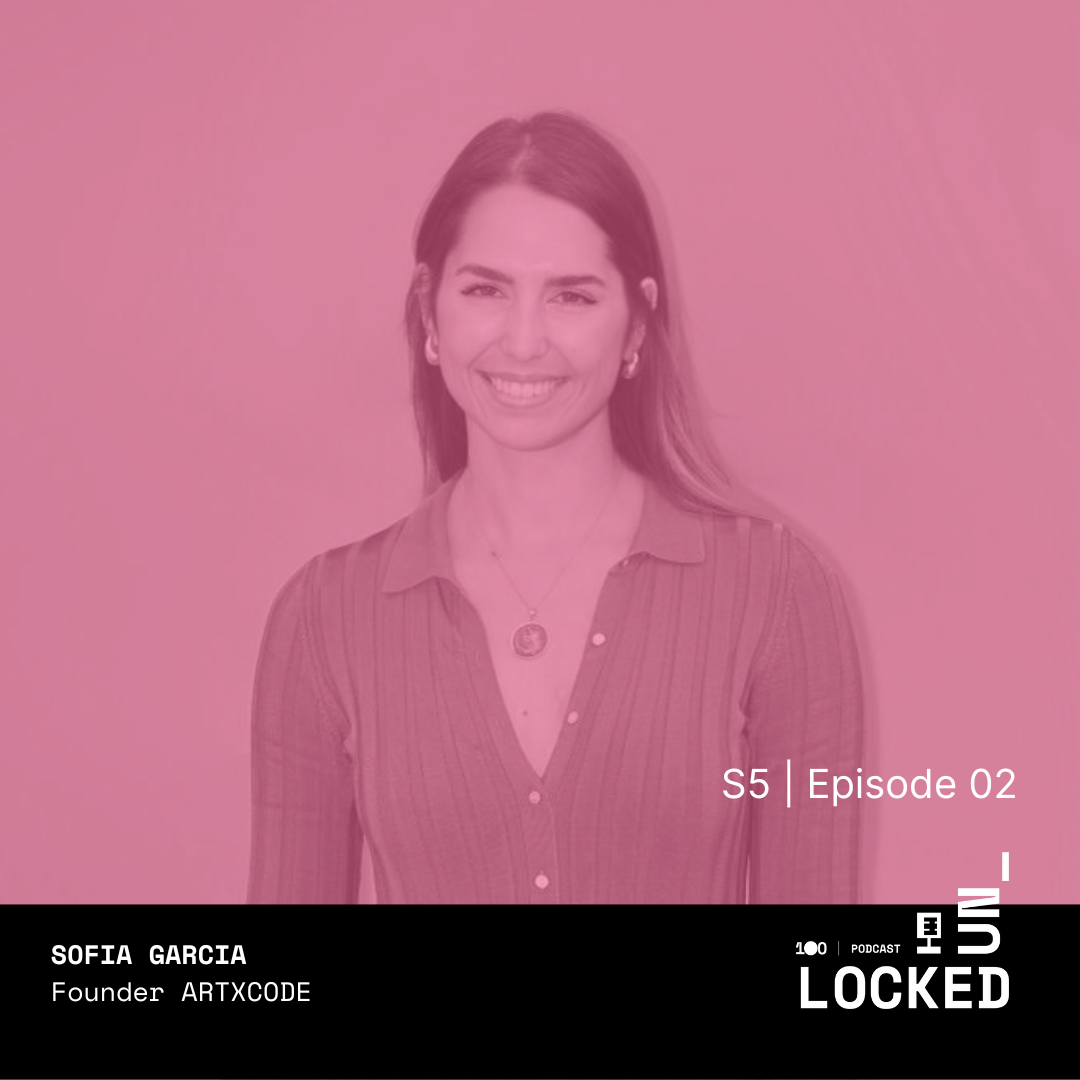
ARTXCODE began as an anonymous Instagram account. By the time Sofia Garcia launched it as a generative art management house, she had already built one career at JP Morgan, taught herself to code, and made a decision that would shape everything that followed: to work exclusively with artists whose practice is built on code. Not digital art broadly. Code. Specifically.
Sofia Garcia is the founder of ARTXCODE, a generative art house that focuses exclusively on artist management for code-based practice. She studied art history before teaching herself to code and running an anonymous Instagram account (@ArtXCode) dedicated to algorithmic art - before JP Morgan hired her as a developer. She left in 2021 to build ARTXCODE full-time, bringing to artist management a rare combination of art historical training, technical fluency, and institutional experience. She now teaches "Introduction to Algorithmic Art" at NYU's ITP master's programme and has sustained a Code Art nonprofit in Miami for eleven years, teaching girls creative coding.
The decision to focus exclusively on code-based generative art - made in 2018, three years before leaving JP Morgan - is the organising principle of Sofia Garcia's practice. It's a curatorial and ethical commitment, not just a market position: code as medium produces a specific kind of artistic intentionality that Garcia has spent years learning to identify and support. This conversation explores what that commitment means in practice - how she manages artists like Lorna Mills, Aria Harvey, and Mika Ben-Omar, what NYU ITP teaches her about where the next generation is going, and why she thinks the people born to support artists are as essential as the artists themselves.
Code-only focus as curatorial commitment
Limiting ARTXCODE to code-based generative art is not a niche strategy - it's a position on what distinguishes rigorous practice from general digital production. Garcia made this decision before the NFT market validated it financially.
Lorna Mills and the underbelly of the internet
Mills's work - often described as confronting the most chaotic and overlooked corners of internet culture - is the kind of practice that requires an advocate with very specific knowledge. Garcia's relationship with Mills reflects her ability to support work that doesn't translate easily into conventional gallery language.
Teaching at NYU ITP
The ITP master's programme is one of the most important training grounds for artists working at the intersection of code and creative practice. Garcia's presence there as a teacher gives her direct access to the next generation - and gives students access to someone who has built the management infrastructure they'll need.
Eleven years of Code Art Miami
The nonprofit Garcia has run for eleven years - teaching girls creative coding - is not background context. It's the foundation of her conviction that access to code is access to expressive power, and that this access needs to be actively built.
"There are really people who are made for it or born for selling. That's their thing that makes them go. I'm more about artists and projects and developing things."
If you collect generative art - or are thinking about it - understanding what serious artist management in that space looks like will help you evaluate the quality of support behind the artists you're considering. Sofia Garcia's model, and her artists, represent some of the most rigorous practice in code-based work. This episode will refine your eye.
Unlocked is the podcast by 100 collectors - the global network for digital art collectors. Each episode, we speak with artists, curators, collectors, and builders shaping the digital art world. No market speculation. No hype. Just honest, substantive conversations about art, practice, and what it means to collect today. New episodes release throughout the year. Find Unlocked on Spotify and Apple Podcasts. 100 collectors is a membership network. [Explore membership →]
Start with 101. 101 is a two-month guided cohort by 100 collectors for people who are curious about digital art collecting, but not sure where to begin.


