101 · New to digital art? · First cohort filled · Winter cohort registration now open · Jan-Feb 2027 · 101 · New to digital art? · First cohort filled · Winter cohort registration now open · Jan-Feb 2027 ·

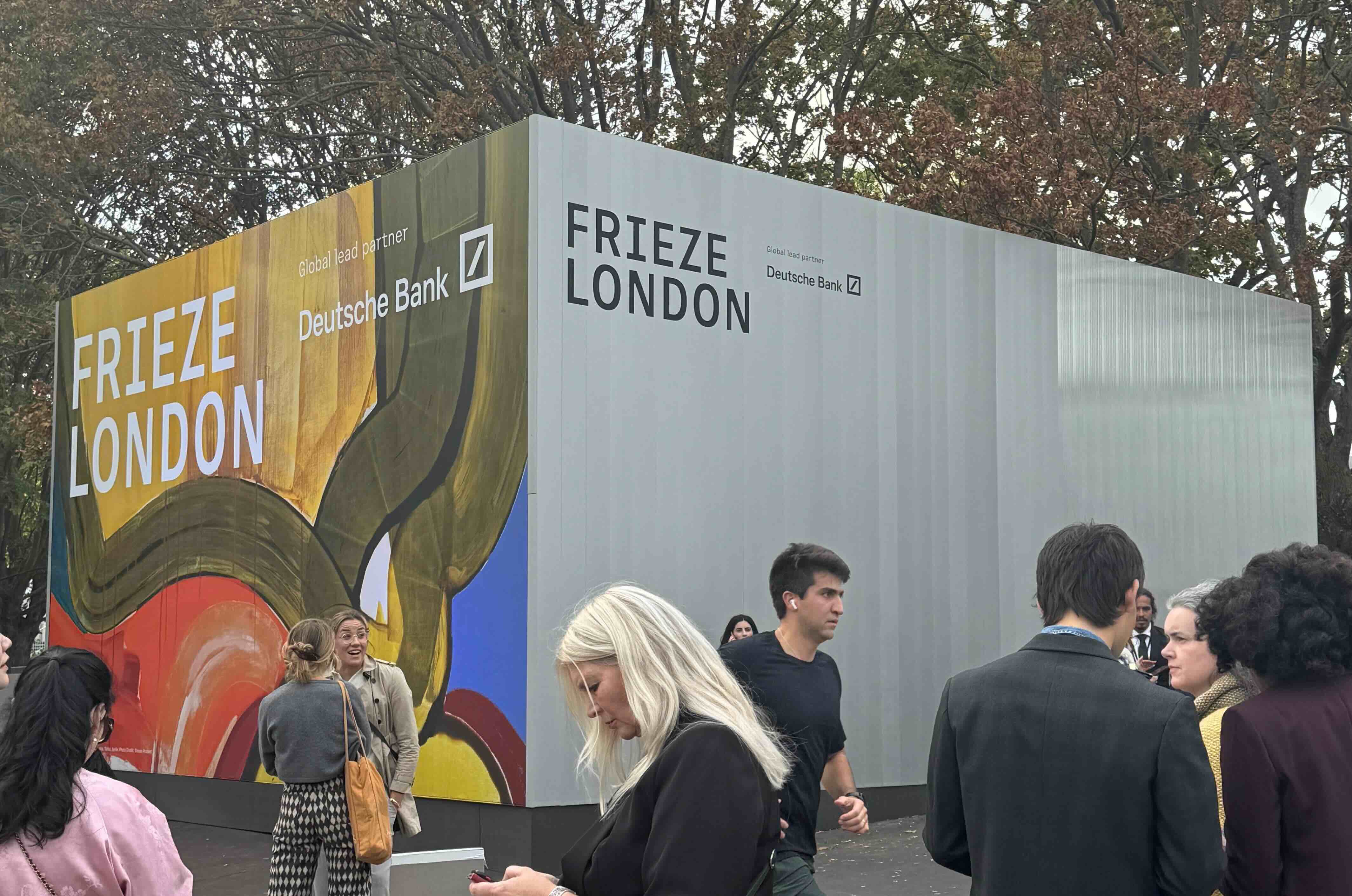
Frieze Week ran October 12–18 across London. For 100 collectors members, it meant a packed gallery evening in Notting Hill, a tour of the fair, private visits across the city, a museum breakfast, a conference stage and a wedding. Here is how it went.
See the original Frieze London 2026 digital art week agenda >
The week opened with an intimate evening at the Estorick Collection, hosted by Alex Estorick and Marlene Corbun of 1|2, a consultancy that gives individuals and institutions the expertise to operate in the expanding art world. The evening brought together leading figures working at the intersection of art and technology.
Lawrence Lek spoke with Alex Estorick and Marlene Corbun about Sinofuturism, surrounded by some of the earliest Futurist paintings in the museum’s collection. With drinks served in the galleries, guests also explored the museum’s new exhibition of avant-garde photography and its permanent collection of modern Italian art. Seeing Lek’s ideas about technology and the future discussed next to the Futurists made the link between the two movements feel very direct.

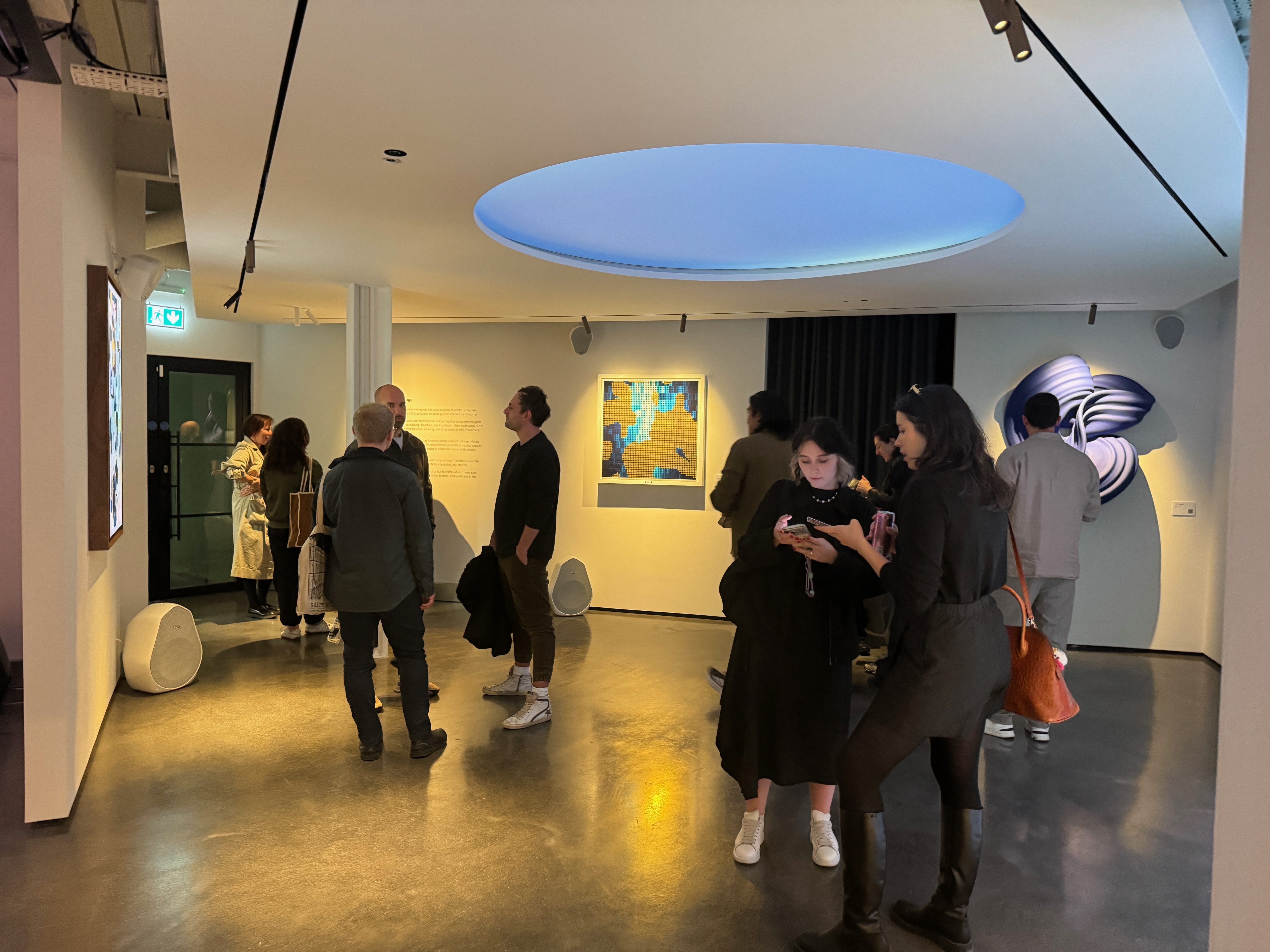
The 100 collectors London moment filled The Disruptive Gallery in Notting Hill. Cyrill Buhler, the gallery’s director and a 100 collectors member, welcomed many members and friends for drinks and a private viewing of Kinesis: The Living Image, walking guests through the works himself in their beautiful, hidden showroom.
The exhibition brought together artists whose works move, change and exist in more than one state. Rik Oostenbroek turns his digital simulations into sculpture for the first time. BREAKFAST’s kinetic wall works respond to live drought and ocean temperature data. Angus Hampel’s gold-leaf landscape Dryad comes alive with projected bird murmurations on a 24-hour cycle. Eyal Gever, Jason Ting, Kelsey Brookes, Anthony Hiley-Mann, and Carlito Dalceggio with Oliver Allaux complete a show spanning painting, light, moving image and generative systems.
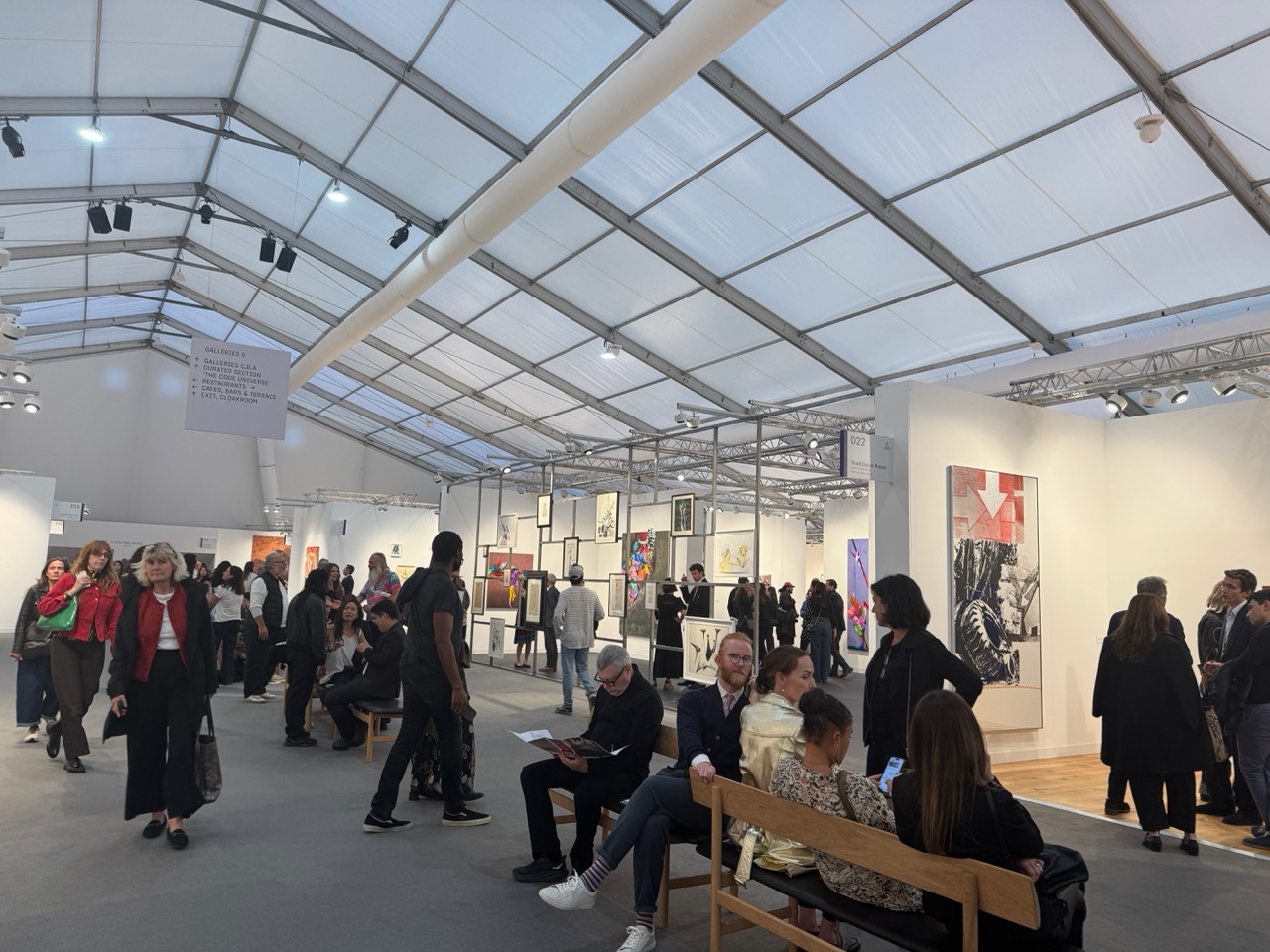
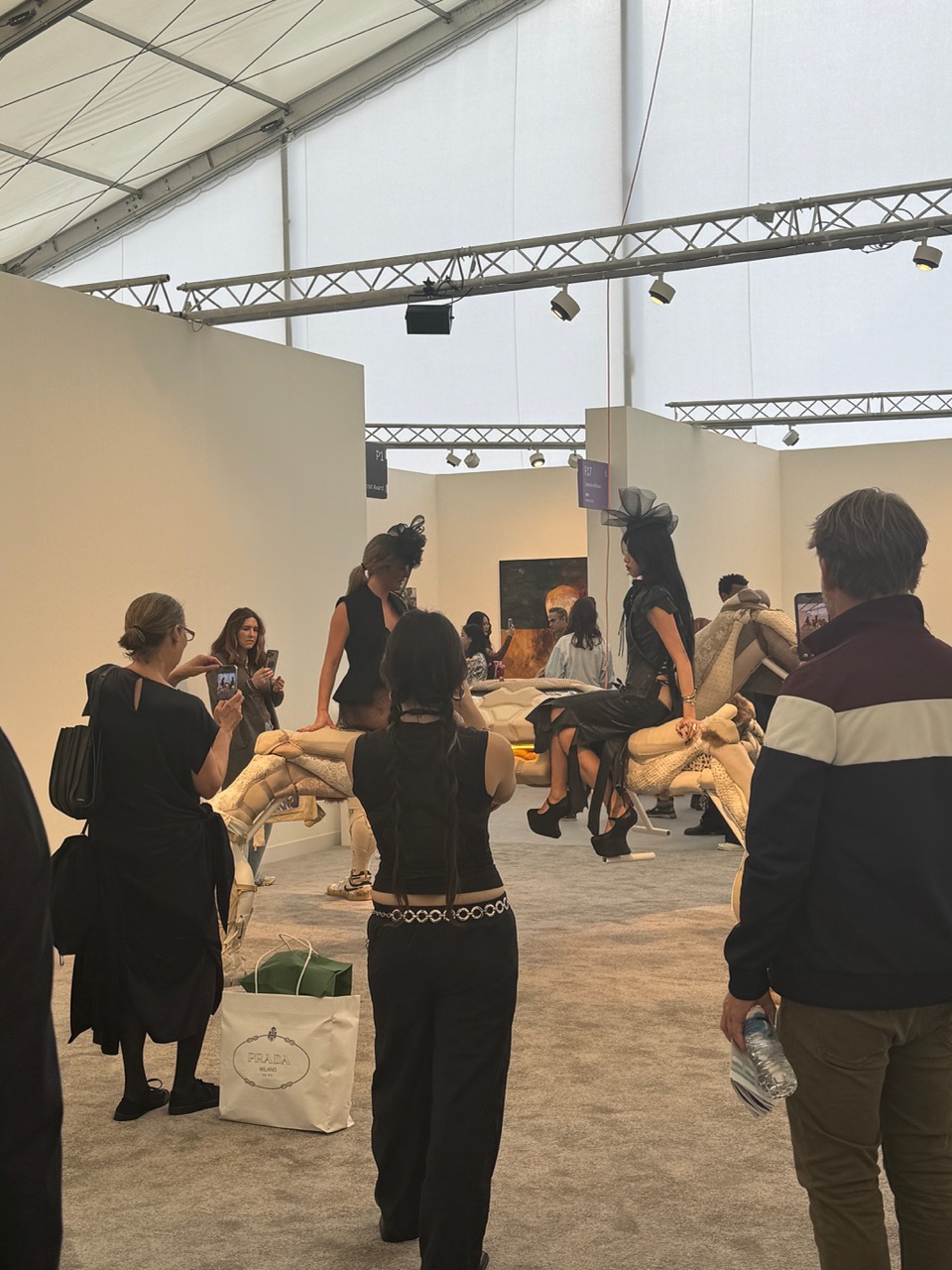
Members entered Frieze London on preview VIP tickets and joined Fanny Lakoubay, co-founder of 100 collectors, for a tour of the fair in the search for digital (adjacent) works. Instead of only heading to the obvious booths, we turned it into a game: find the digital artworks hidden across the whole fair. They were there, often in places you wouldn’t expect, and many of them in the daring and delightful Focus section that showcase solo artist shows, such as:
The easiest one to spot was Theo Triantafyllidis, winner of this year’s Frieze Artist Award, whose spider video game Feral Metaverse had visitors stopping to play.
Between fair days, we made our way across London to see digital art in very different settings.
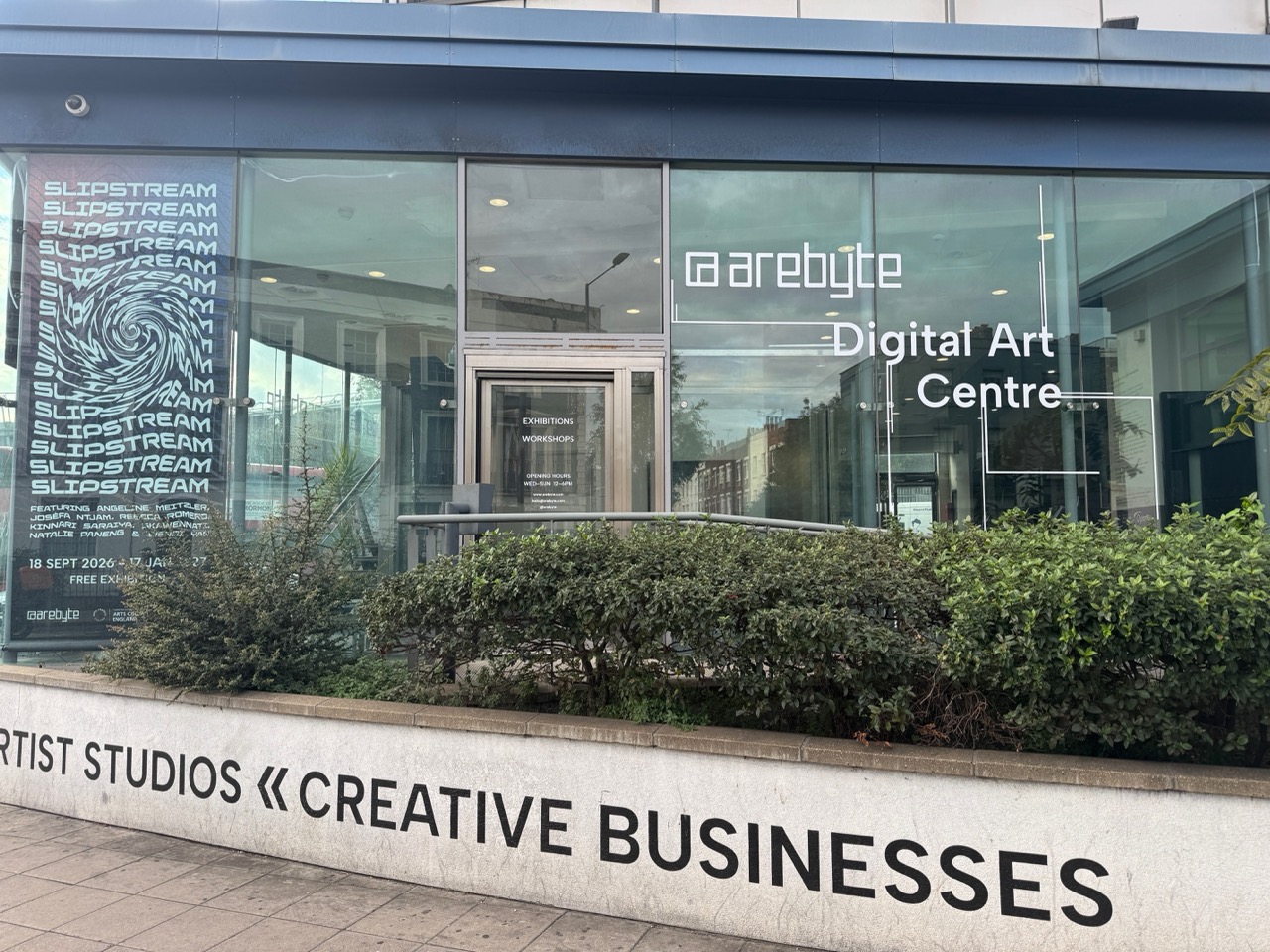
arebyte. We started early with a private morning preview of SLIPSTREAM: Uncharted Realities & the Eternal Now, guided by Claudel Goy, arebyte’s Managing Director, and Pita Areola, Head Curator. The group show brings together seven international artists at arebyte Digital Art Centre in Camden and runs until January 17, 2027.
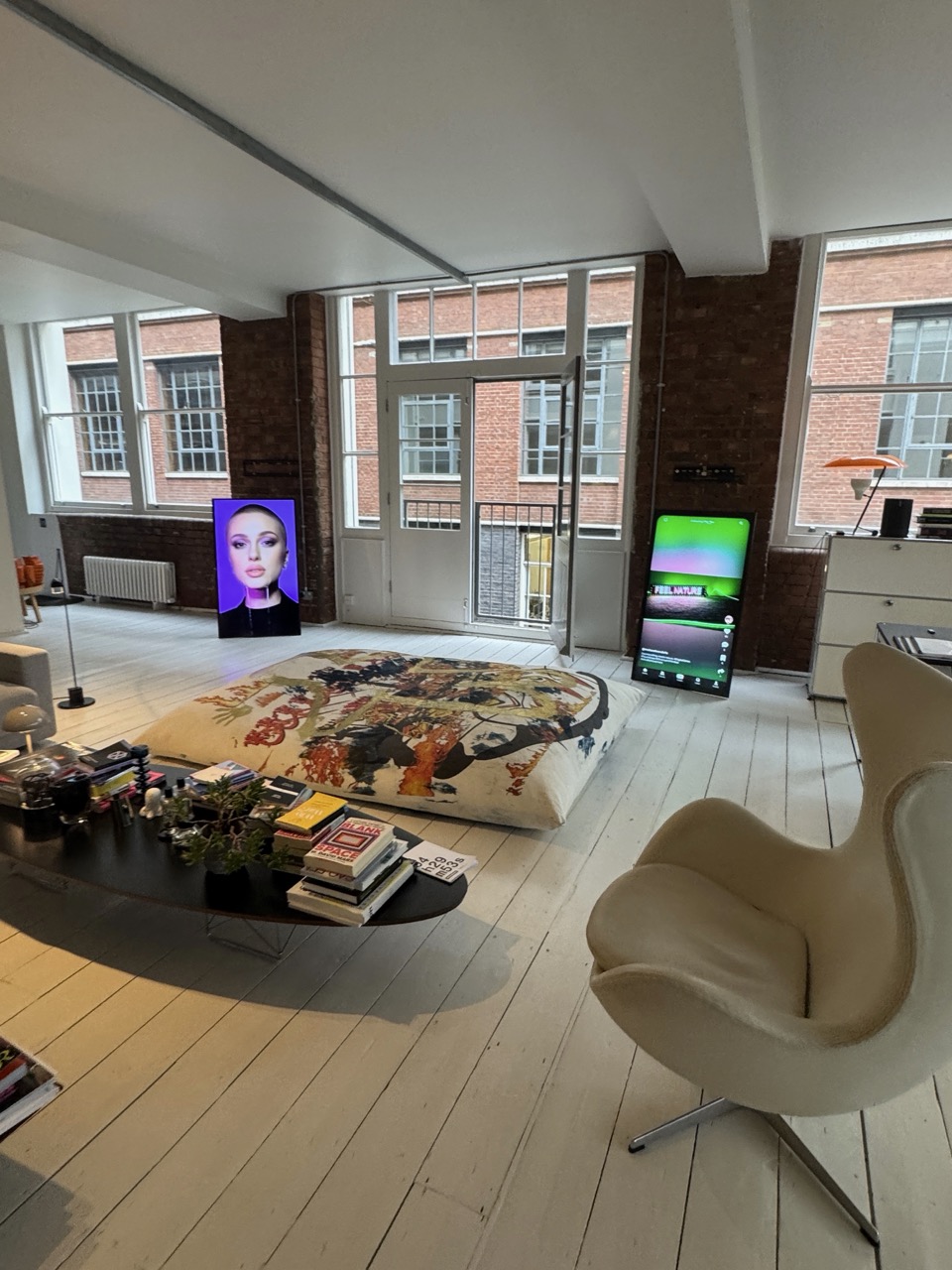
Annka Kultys Gallery. Annka welcomed us into her loft, which is open by private visit only, for a relaxed look at works by artists from her roster, including Mediengruppe Bitnik. Her next exhibition, Karin Sander’s 696 Encounters / 696 Begegnungen, opens October 19.
Gazelli Art House. We joined the opening of Allen Jones’s first exhibition with the gallery, with new shaped canvases alongside key works from six decades, and new paintings by Dominic Myatt in the Project Space.
Gallery Renaissance. Harvey Rayner’s Painting with Code brought his generative work off the screen and into physical space, showing how code-based images hold up as objects on the wall.
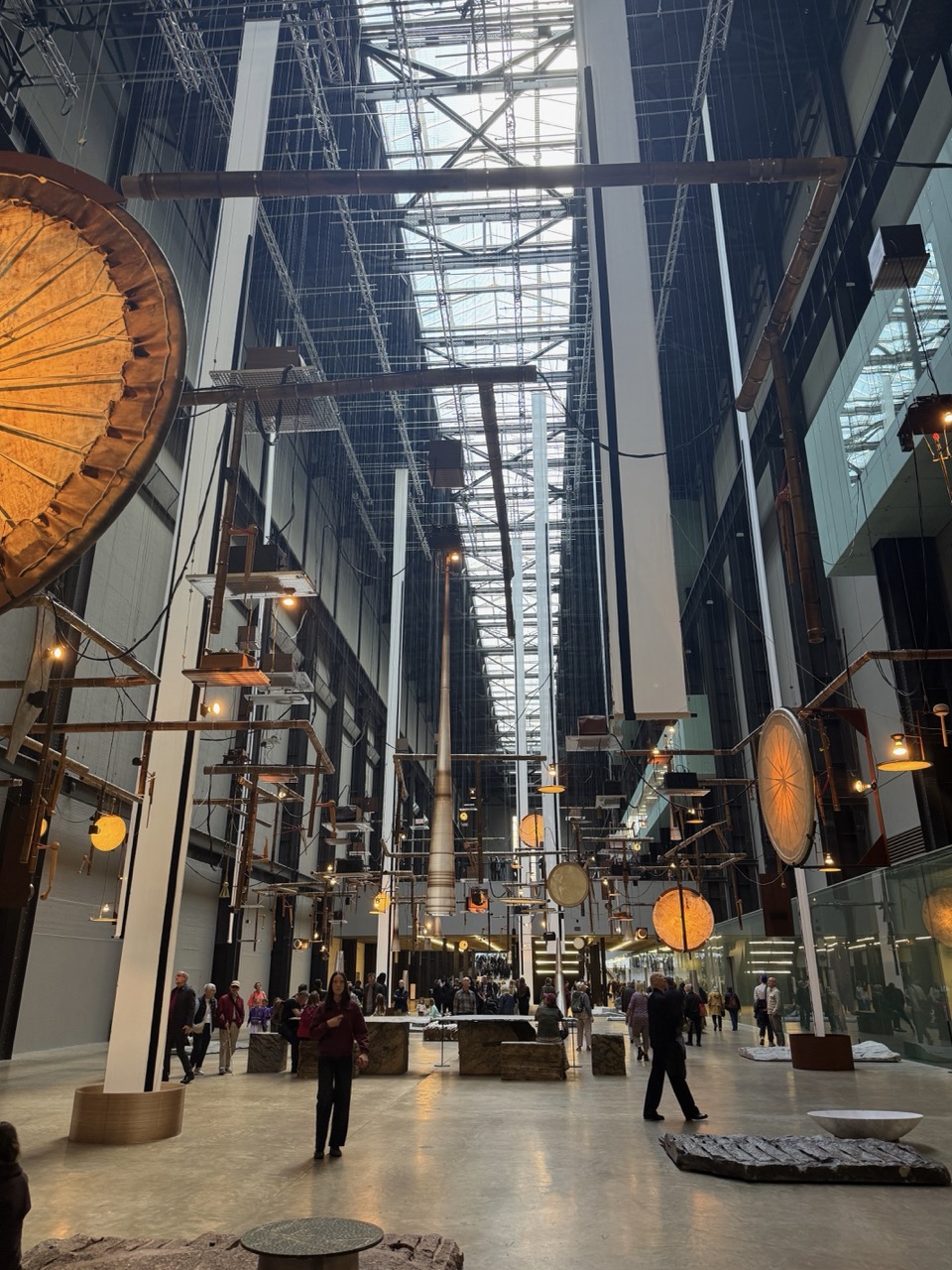
Tate Modern. Tarek Atoui’s Hyundai Commission has taken over the Turbine Hall with a vast sound installation, and it offers another way to make an immersive work. Instead of screens, Atoui uses wind, traditional instruments and stone. Wind runs through suspended bamboo pipes to play Chinese and Southeast Asian mouth organs, mechanised mallets strike Korean drums, and Uzbek horns sit next to 3D-printed horns made from sugar resin and bamboo dust. Microphones pick up the instruments and the hall itself, and custom software plays the sounds back into the space, so the work is never the same twice. Visitors can sit or lie on stones placed across the floor and feel them vibrate. On view until April 11, 2027.
London Film Festival. CROSSLUCID’s Red the Ocean Around U turned a corner of the festival into a free immersive installation, a dreamlike world where each visitor’s answers change the story and leave a trace for the next person.
BLEUR. On Saturday morning, Frieze Connect invited members for breakfast and a private visit of We Have Never Been Powerless, presented by BLEUR in collaboration with Harlesden High Street.
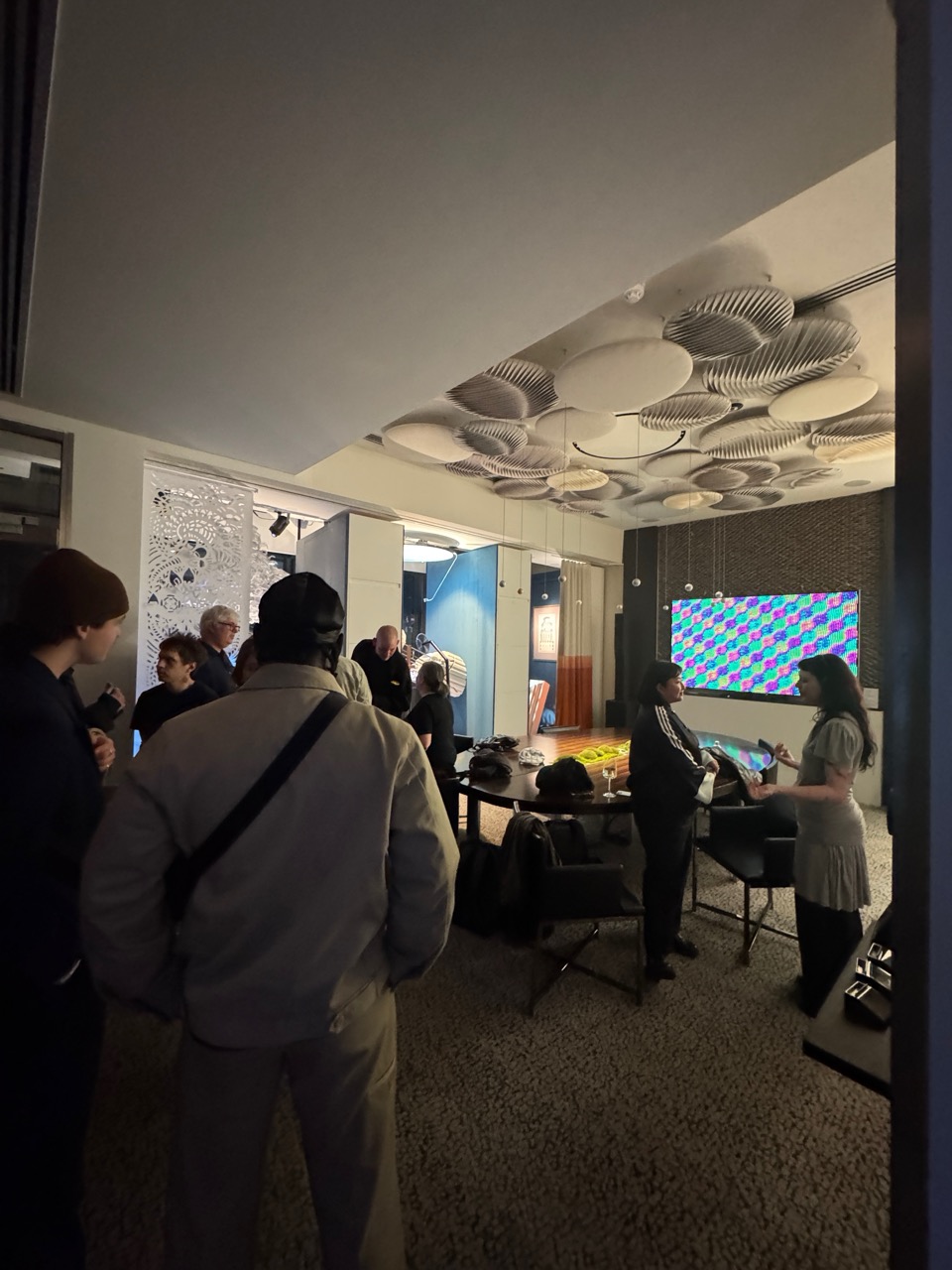
Nguyen Wahed’s Frieze Week reception brought London’s digital art crowd under one roof: artists, collectors, curators and gallerists, many of them people we usually see across a screen. Many artists from the gallery roster were presented that night.
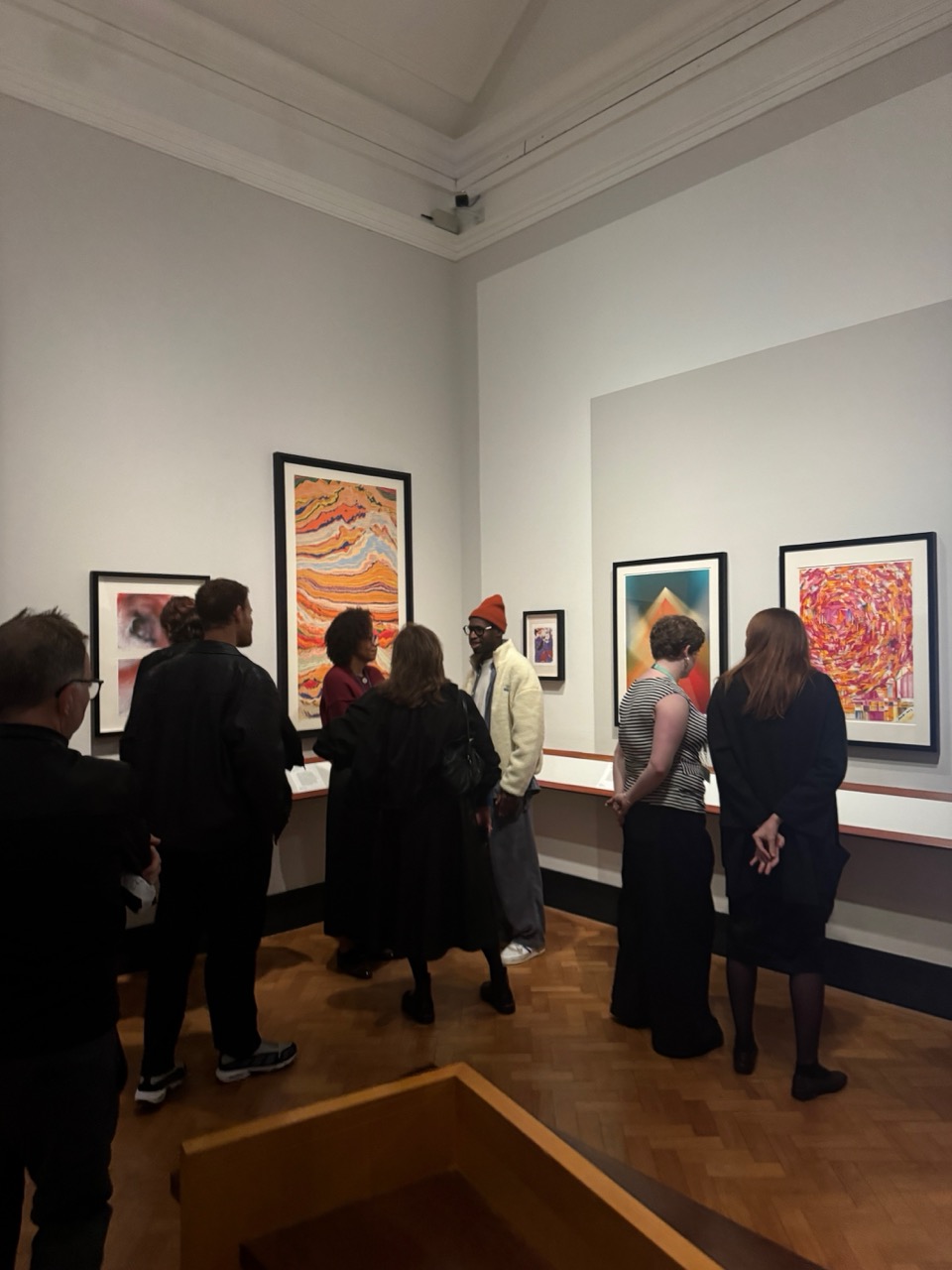
Friday started at V&A South Kensington with a breakfast preview of Degrees of Disruption: Vera Molnar and Generative Art, with curator Melanie Lenz and the director of the V&A. The room brought together international collectors of Vera Molnar who have donated works to the museum, contemporary artists exhibited alongside her, and many of the digital art curators who have spent years promoting the field.
The exhibition covers two rooms and more than 50 works, tracing the history of generative art through Molnar’s career. It starts with her early experiments in the 1950s and the access to a computer she gained through her husband, and runs through to her late work. Hung alongside her are contemporary generative artists Harm van den Dorpel, Casey Reas, Matt DesLauriers, William Mapan, Zach Lieberman, Entangled Others and Licia He, making the connection between Molnar’s methods and today’s practice easy to follow.
A retrospective of this scope at the V&A is a major milestone for generative art, and for everyone who has been arguing for its place in museum collections. The exhibition is free and runs in Rooms 88A and 90 until May 30, 2027.
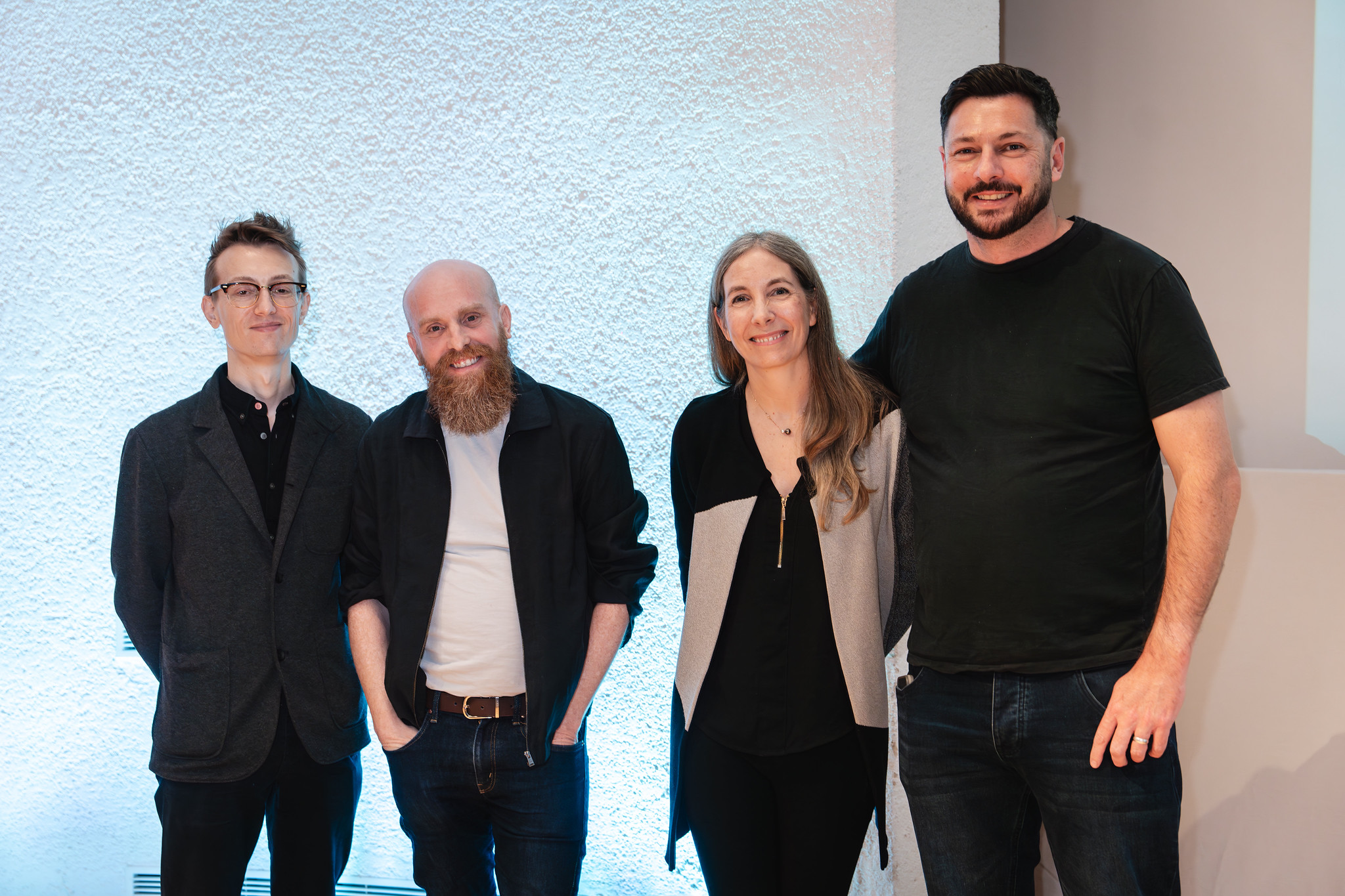
The Art Business Conference holds an Art & Technology edition each year during Frieze Week. This year’s, chaired by Riah Pryor, brought together a room largely drawn from the traditional art market, with auction houses, galleries, advisors, insurers and art tech founders.
The morning opened with a panel on art as a catalyst for technology, with Kay Watson of Serpentine Arts Technologies, Freya Salway of Google Arts & Culture, artist Ben Cullen Williams and Tao-Tao Chang of the British Council, moderated by journalist Naomi Rea. The discussion looked at how artists and museums act as testing grounds for AI, spatial computing and blockchain. Nicholas Eastaugh of Vasarik followed with a talk on the reliability of AI agents in art market research. Natalie Kali, Global Digital & Product Officer at Christie’s, then joined Roman Kräussl of Bayes Business School, Emilia De Stasio of Artscapy and Roland-Philippe Kretzschmar of The Art Bystander to discuss technology designed to support expertise rather than replace it.
Five startups (NALA, Isee.art, Art Circles, MENRVA and Bernard) each had three minutes to pitch how their company will have changed the art world by 2050. The judges included Marc Spiegler, Marine Tanguy of MTArt Agency, Tobias Halloran of NVIDIA and James Hendy of Crozier Fine Arts. The winner was MENRVA, a collector relationship platform that helps galleries and art fairs keep track of the interest collectors show in person.
In the afternoon, Tim Schneider of The Gray Market moderated Art & Technology: The Collectors’ View, with Fanny Lakoubay and 100 collectors members John Sears of Moonboots and Benny Gross of Formata. The panel discussed what collectors actually want from technology and how it is changing the way they discover, buy, own and experience art. Fanny’s main point was that collectors don’t need more technology, but better tools: buying should feel simple, the technology should stay in the background, and the harder problems now are on the ownership side, from display and preservation to provenance and platform obsolescence. She also noted that technology can create new barriers of its own, through technical language and complicated interfaces, and that these often keep women from calling themselves collectors. As she put it, a platform can help someone complete a transaction, but a community helps someone become a collector.
Georgina Adam was also in the room, signing her book NextGen Collectors and the Art Market, which fit well with a day spent asking what the next generation of collectors wants.

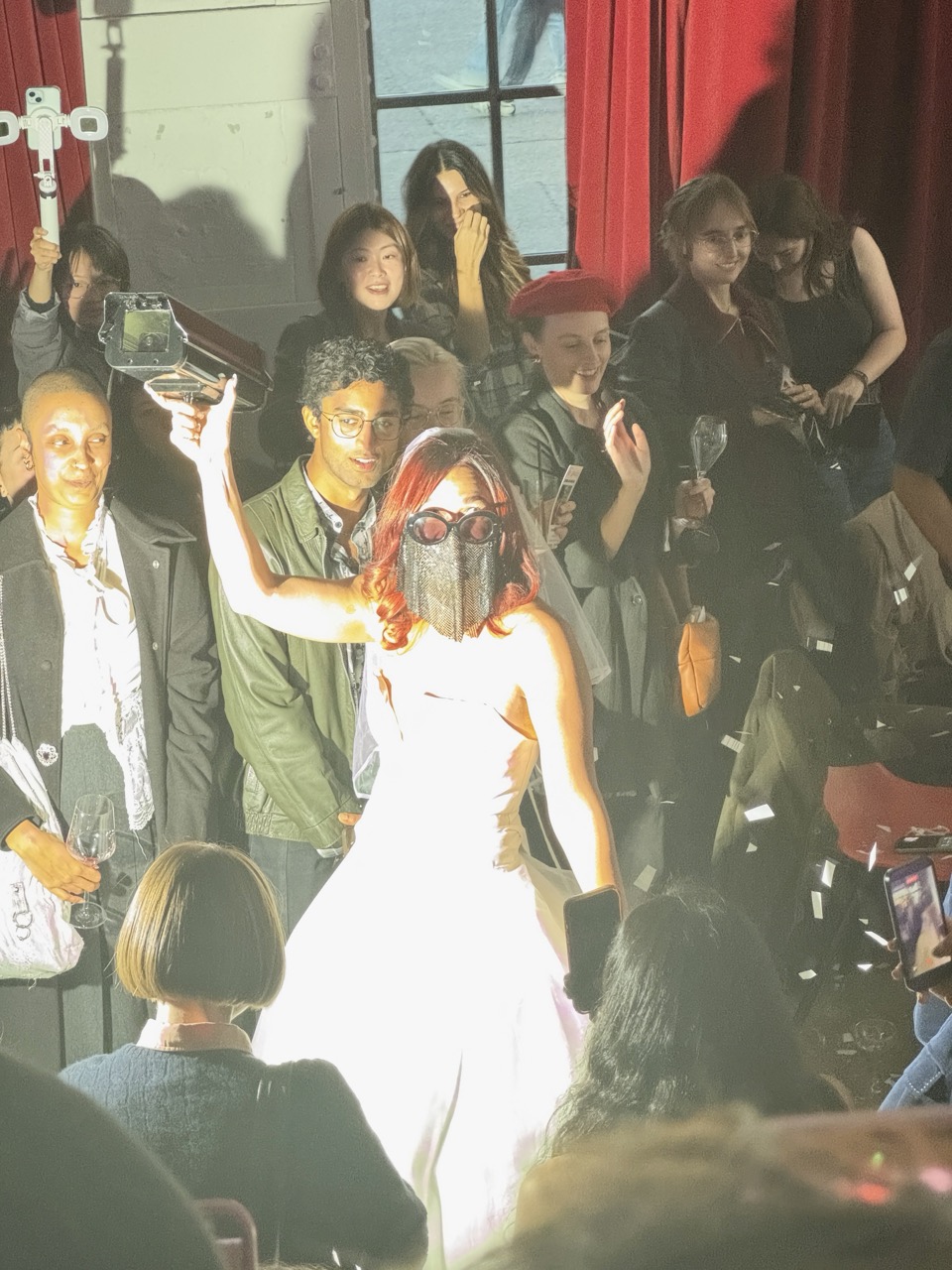
We ended Friday at Shoreditch Arts Club for THE WEDDING: OONA & DAVID, ‘Til the Cameras Do Us Part, the eighth and final chapter of OONA’s Dear David: A Surveillance Love Story.
Since 2019, OONA has filed official requests for the CCTV footage captured of her on the London Underground. Those requests led to a long correspondence with David, a CCTV Data Manager at Transport for London for three decades. Seven years of emails later, the relationship became a live surveillance wedding, with the audience as guests, witnesses and CCTV viewers. OONA then joined Aleksandra Art, Head of Arts at Trilitech, for the talk We’re in a Relationship with the Machine.
The evening was presented by HERVISIONS, celebrating its 10th year, with The Second-Guess and Shoreditch Arts Club, as part of the Frieze Connect programme. Dear David is powered by Art on Tezos.
Thank you to everyone who hosted and joined us: Alex Estorick, Marlene Corbun, Cyrill Buhler and The Disruptive Gallery, Mimi Nguyen, arebyte, Annka Kultys Gallery, Gazelli Art House, Gallery Renaissance, BLEUR, the V&A, The Art Business Conference, OONA, HERVISIONS, The Second-Guess and Shoreditch Arts Club. A special thank you to Louise Hamlin and Jean-Baptiste Costa de Beauregard for inviting us to The Art Business Conference. See you at the next art week.


