.svg)
Menu
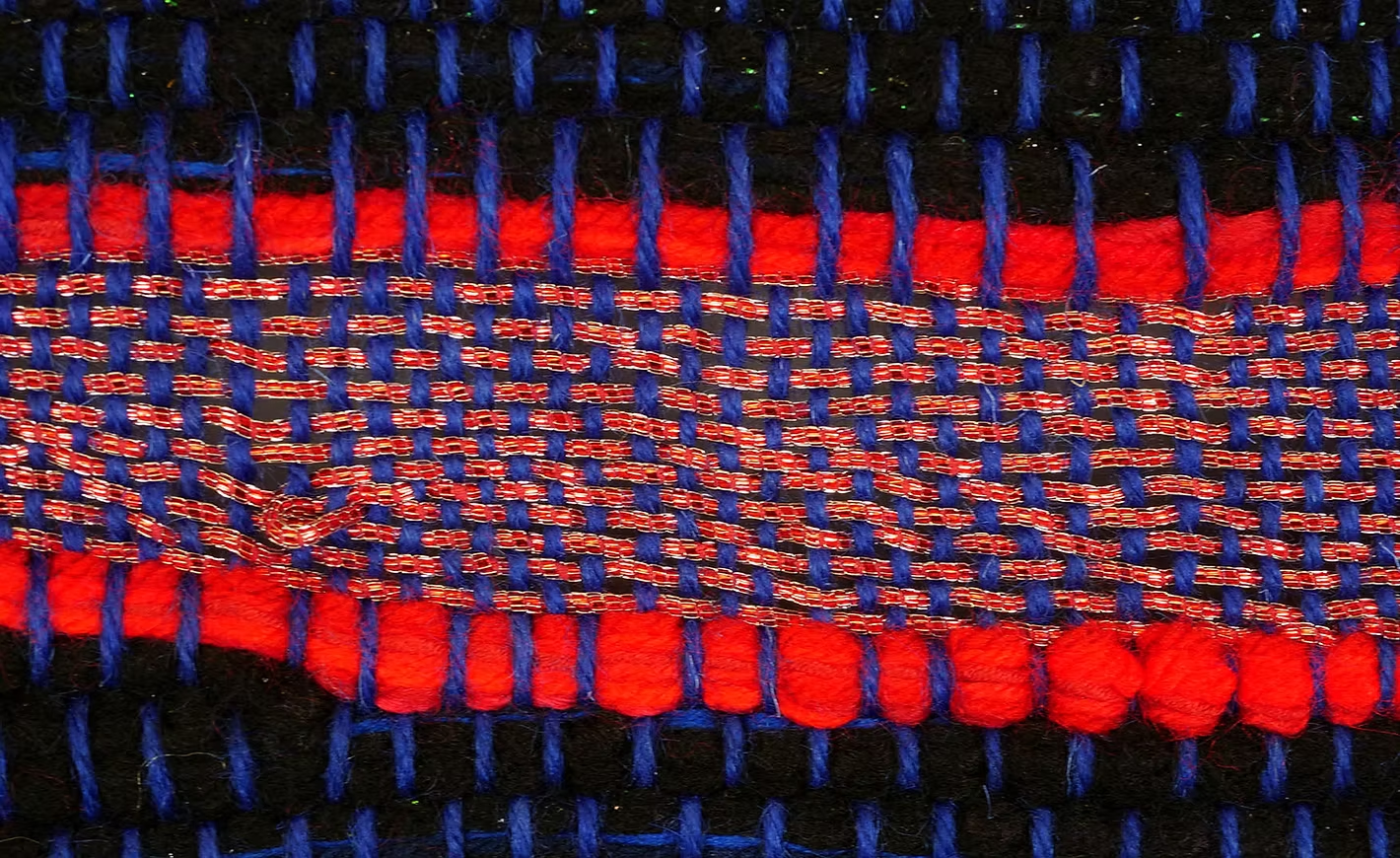
"She is an artist from Bolivia based in France. And her work has something that hasn't left my head for about two years now. She is presenting textile that is embroidered in the Bolivian part of the Andes matched with equipment from the automobile industry (which also feels like motorcycle, or VR, or gaming set). And also has quotes and texts from drivers of buses in Latin America. So I find Kenia's work really, really fascinating because it speaks to an idiosyncrasy that is also aware that it exists in a world with very technological precedents, expectations and aspirations. It has been extremely refreshing to engage with her work."
ABOUT
After moving to Paris from Santa Cruz de la Sierra at the age of 11, separated from her parents, Kenia progressed through the French education system, eventually learning the language and embracing her new environment. Returning to Bolivia to visit only years later as a teenager, an experience which overwhelmed her with sensory memories of her childhood, Kenia was transfixed by her mother’s aguayos, patterned woven cloths, which were cared for as family treasures. Kenia would discover her grandmother and great- grandmother were skilled weavers, and the aguayos took on new significance as physical memories of her ancestors, bearing the trace of their working hands; as their new guardian, Kenia would bring them with her on her return to France.
Rich in cultural reference and personal history, Kenia’s distinctive work explores familial legacies, Andean mythologies, and diasporic identity. Taught weaving in Paris by the nonagenarian textile artist Simone Prouvé, Kenia uses her practice to connect with the generations of weavers among the women in her family in Bolivia, and her large wall-based sculptures, hand-woven from her Paris studio, blend Andean tradition and references to modern Bolivian life with a unique diasporic perspective.
Kenia’s ambitious wall hangings are created with indigenous South American yarns, the surfaces of which are adorned with found urban objects, such as car reflectors and motorbike headlamps or items sourced from traditional Bolivian markets, lit with neon LED lights. In her new series, the artist introduces embroidered motifs from carnival costumes designed for the iconic Carnival of Oruro, in which pre-Columbian Andean deities and the Catholic Virgin del Socavón are venerated alongside one another in lively performances describing Bolivia’s resilience after histories of colonialism and slavery.
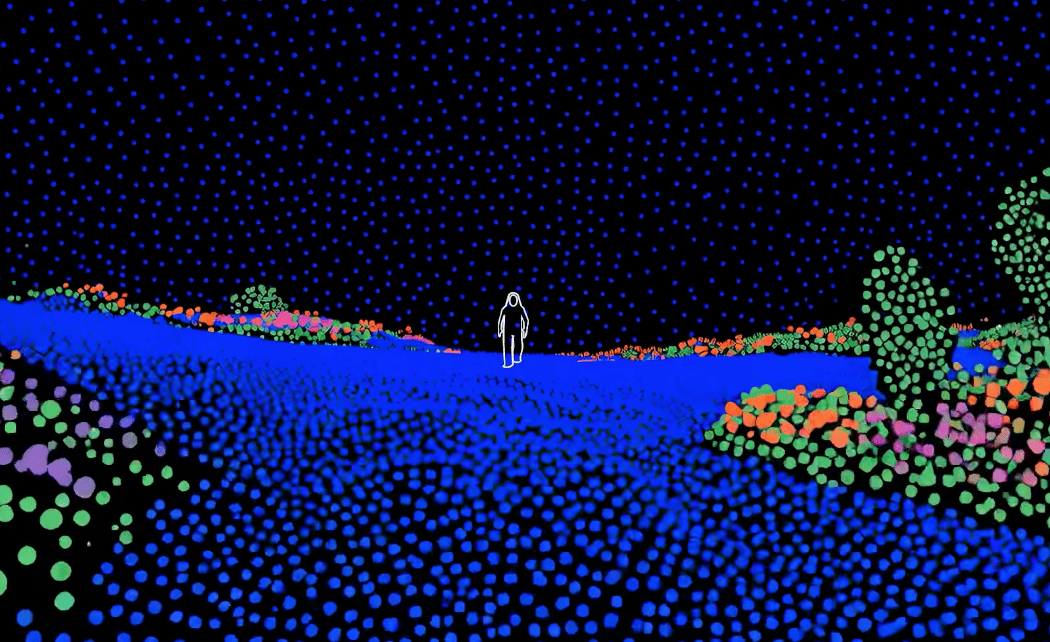
Cemhah is a digital artist creating immersive animations through fluid, particle-based systems, blending abstraction and figuration to explore movement, space, and perception.

Nikita Diakur is a German artist using 3D simulation to explore failure, control, and unpredictability, creating animations where instability and imperfection become central t

Ian Margo is a digital artist and researcher exploring computation, language, and systems as artistic media, questioning how code structures meaning, perception, and art today
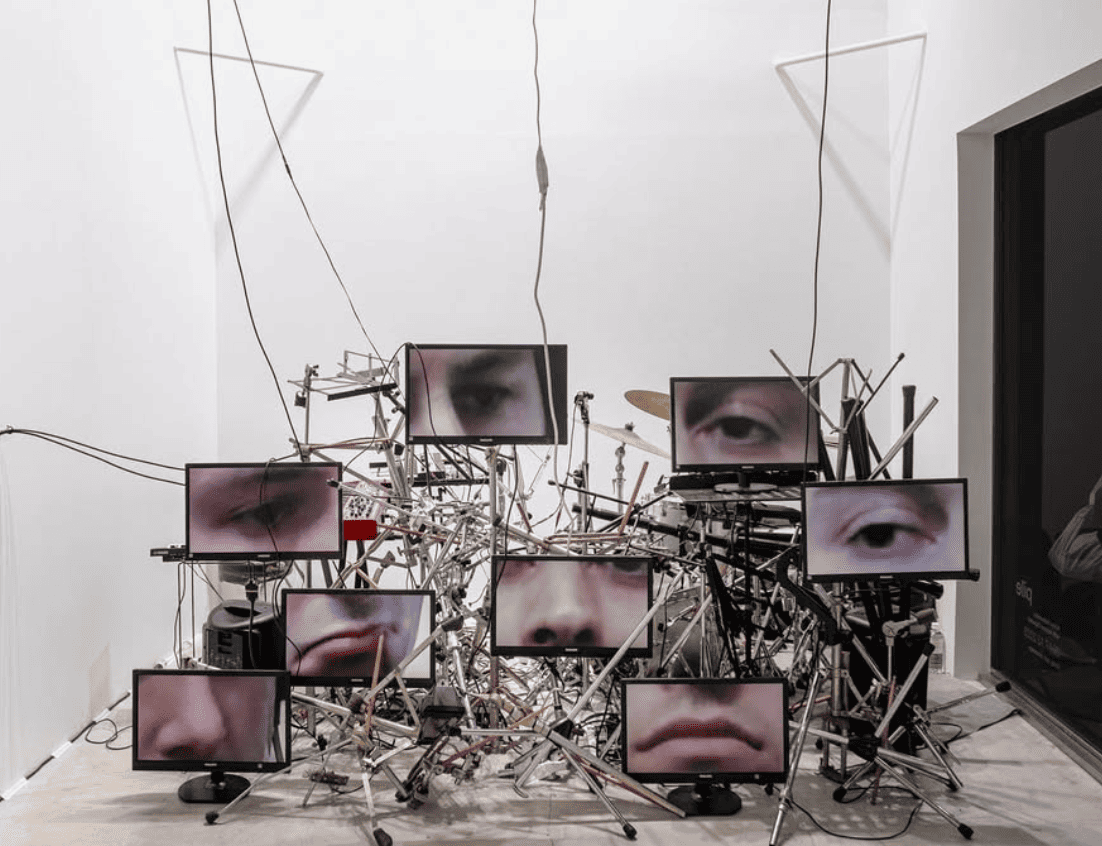
Karyn Nakamura is a Tokyo-born, New York–based artist and researcher whose work merges technical possibility with poetic inquiry.
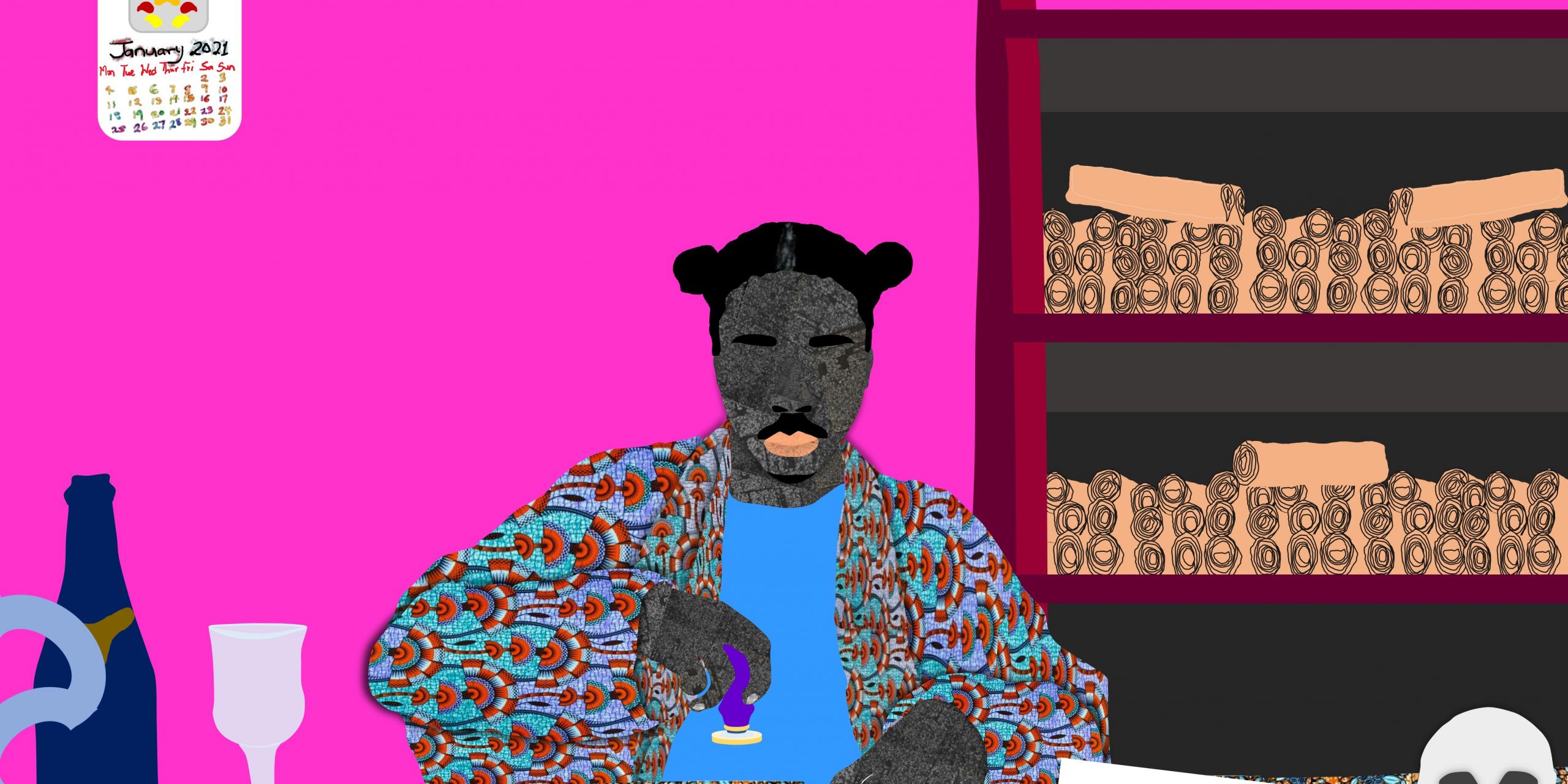
Osinachi is a self-taught digital artist based in Lagos, Nigeria. He makes his work on Microsoft Word, and has been doing so for over 15 years now.
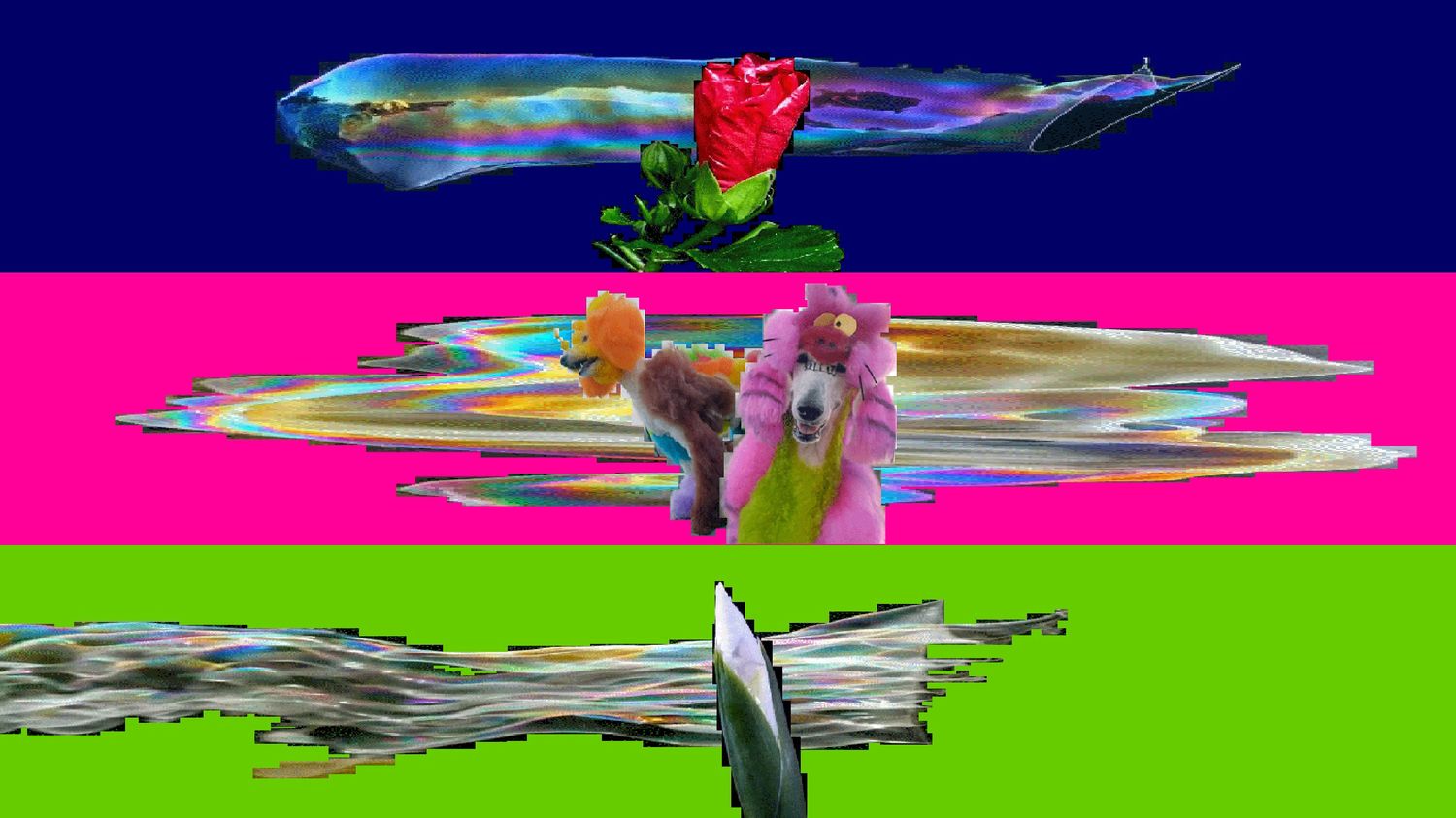
Known for her GIFs, Lorna Mills is a Canadian net art artist who explores consumption, representation and nationalism through internet culture and the dark net.
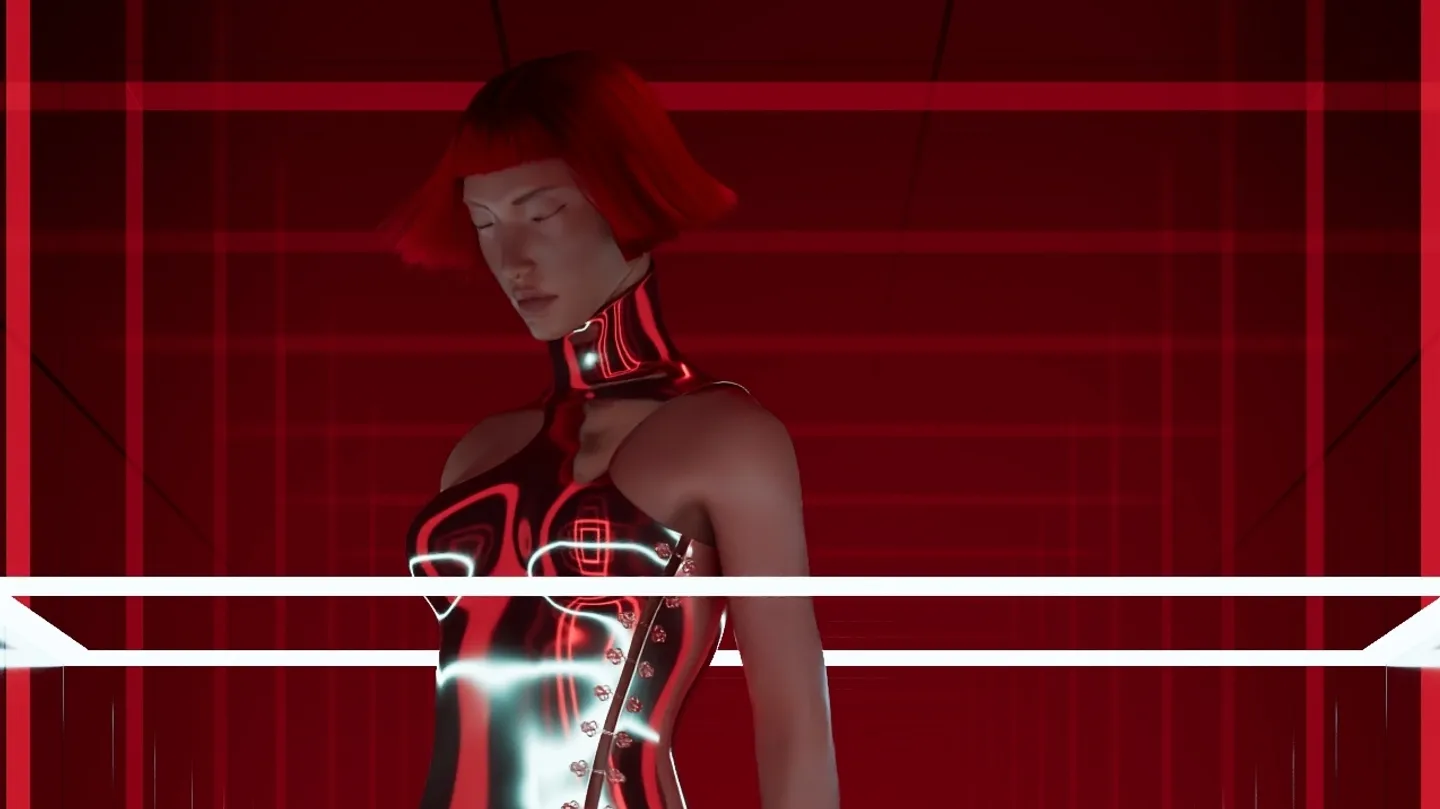
An AI-infused alter ego and persona created by Ming Shiu, a Hong Kong-Korean new media artist who explores reconnection with culture and heritage.
Kenia’s wall hangings are created with indigenous South American yarns, blending Andean tradition and references to modern Bolivian life with a unique diasporic perspective.
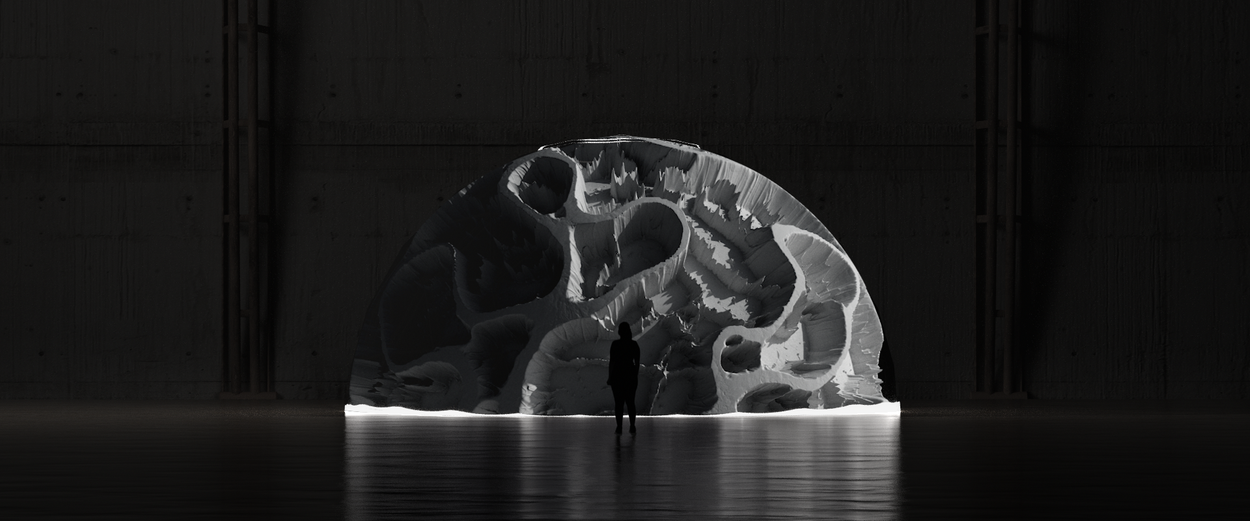
Ouchhh is a global studio that has created approximately 75 public art projects worldwide, working in in pioneering data-driven art forms, like data paintings and sculpture

Yehwan Song is a South Korean web artist and designer who creates anti-friendly, non-user-centric, unconventional websites to subvert user behaviours

In 1997 the artist coined the term "Bio Art," igniting the development of this new art form with works such as his transgenic rabbit GFP Bunny (2000).
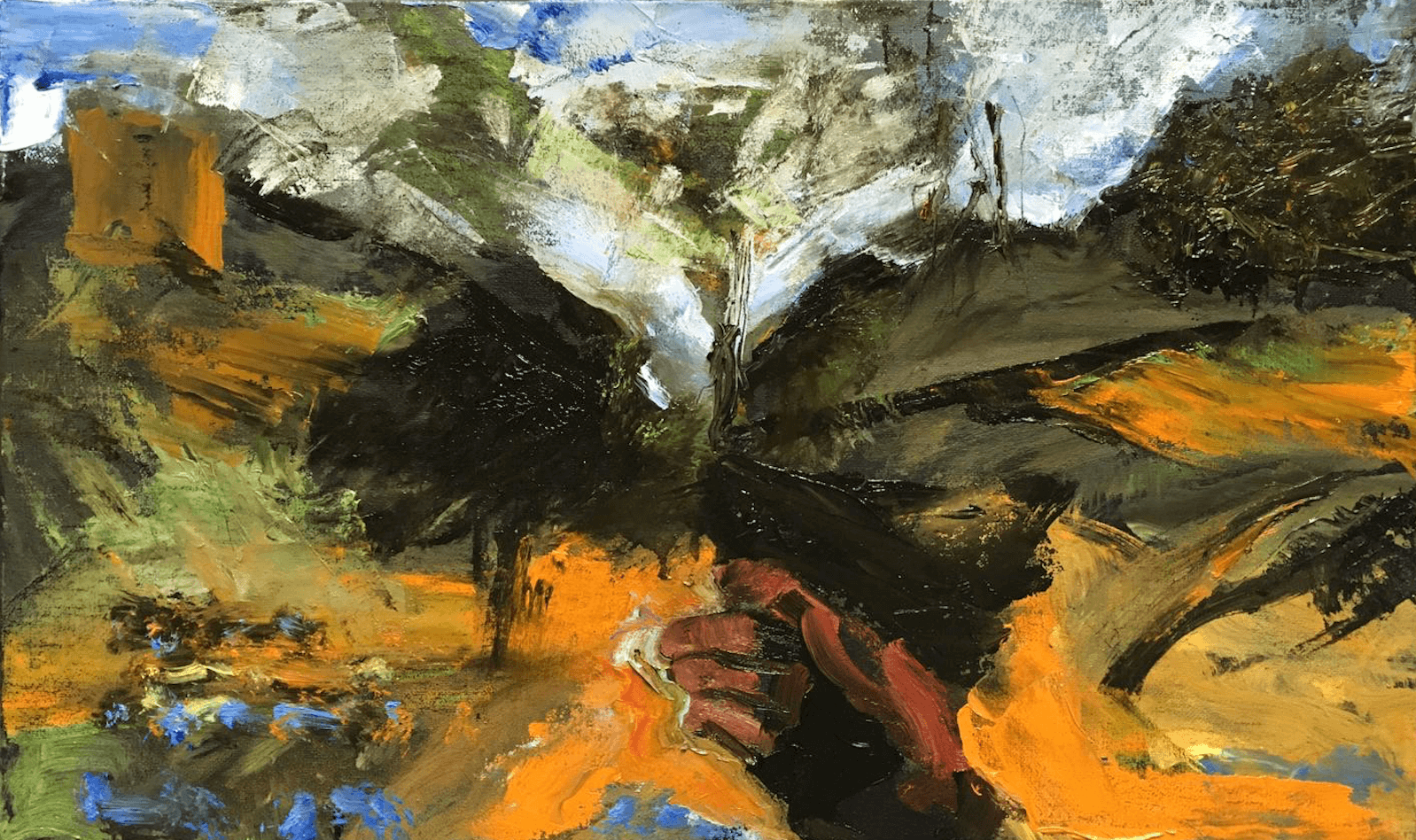
Dublin-born, West Virginia-raised young artist, who uses machine learning and GANs, to explore fashion, architecture, and art history, focusing on AI's interpretation of data.

Kim's work is informed by personal experiences and human psychology; she derives imagery from nightmares, intrusive thoughts, and childhood trauma.

Danish artist working with environmental storytelling through video games, VR, sound installations to create poetic interpretations about overlooked natural phenomena

The Icelandic performance artist uses durational, repetitive performance as a form of exploration, and is deeply influenced by the comedy and tragedy of classical theater
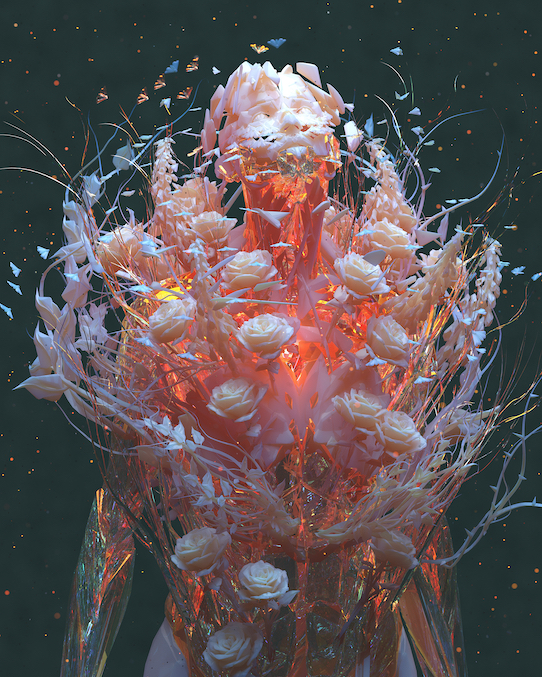
Giant Swan, a virtual reality artist, crafts immersive worlds that blend elements from sculpting, painting, and experience design
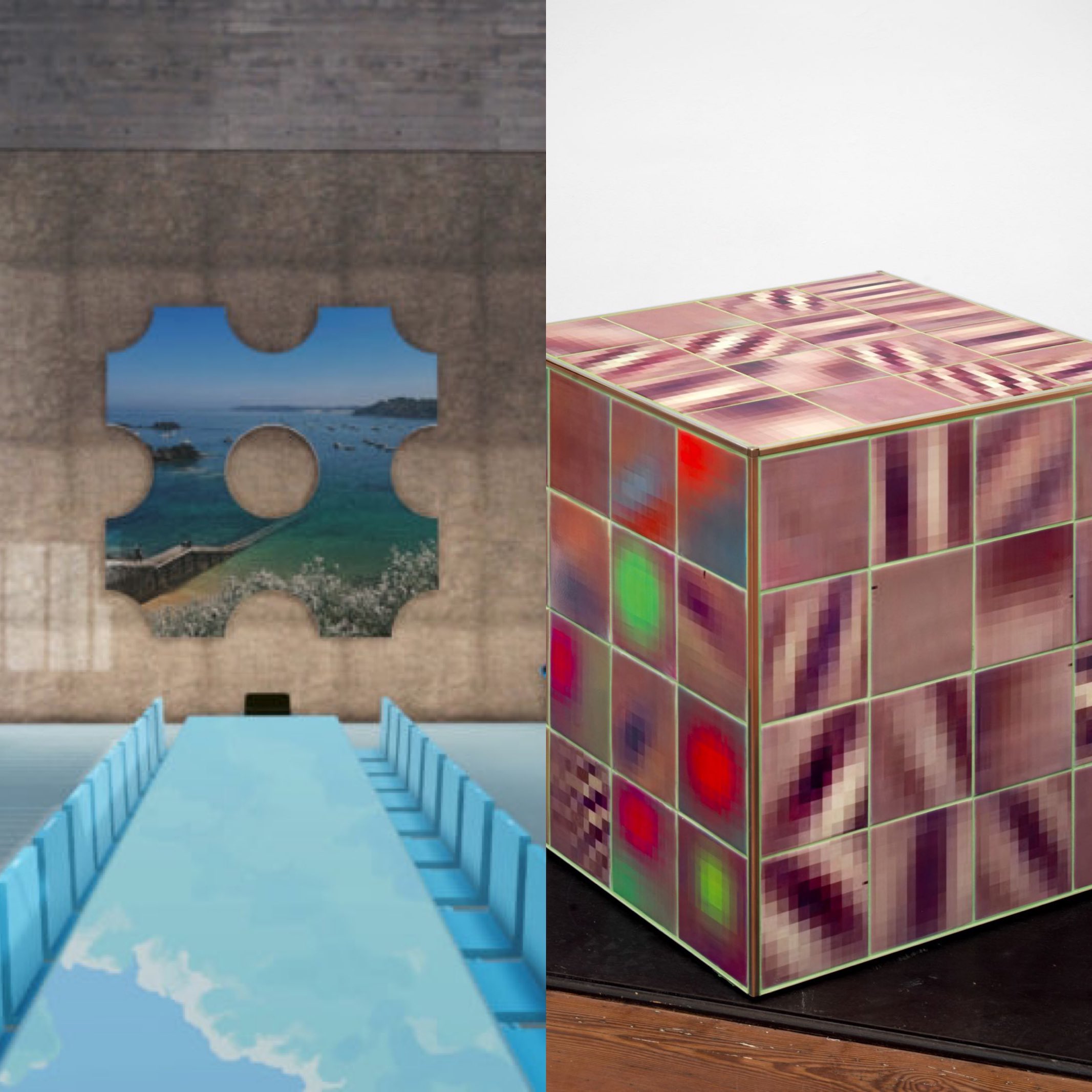
Two artists who, in their own ways, critically reflect on the changes in society due to technology
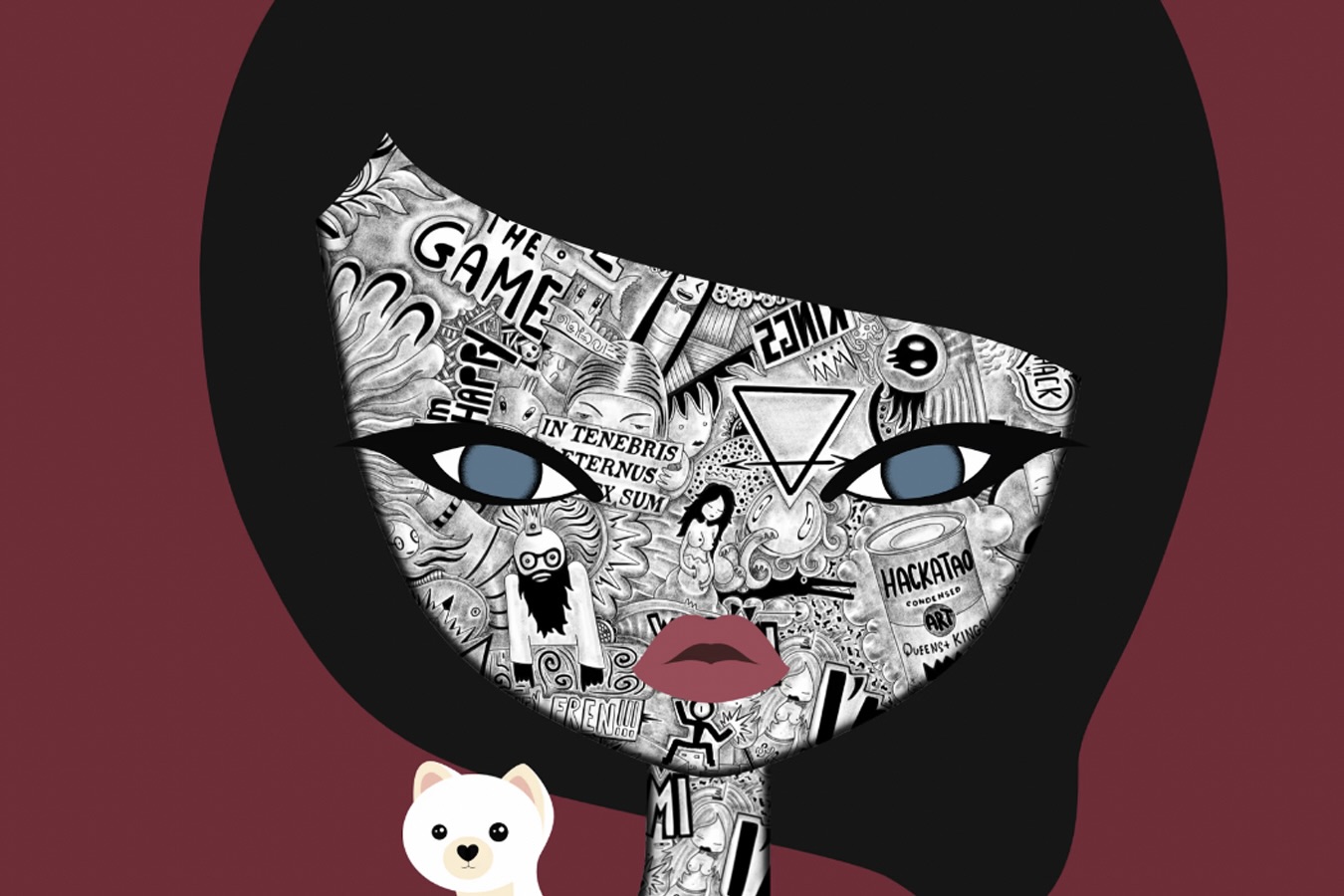
Hackatao is a collaboration between designer Nadia Squarci and artist Sergio Scarlet that was born in Milan, 2007. Inspired by art history, cultural innovation and the blockch
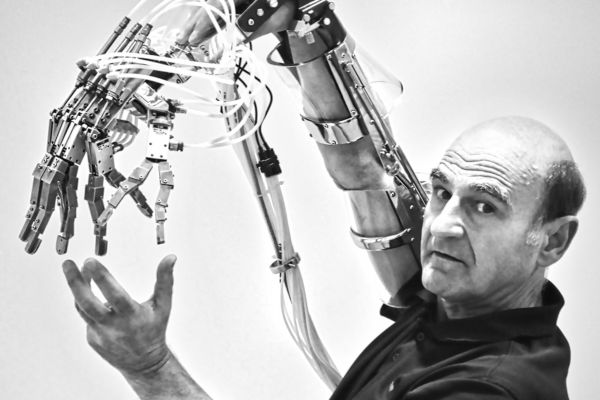
Stelarc has used biomedical instruments, prosthetics, robotics, virtual systems and the internet for his projects and performances

New media artist from Vilnius, Lithuania, who works with neural networks and code in experimental photography and motion painting

Lauren Lee is an artist examining social relationships in the midst of automation, surveillance, and algorithmic living
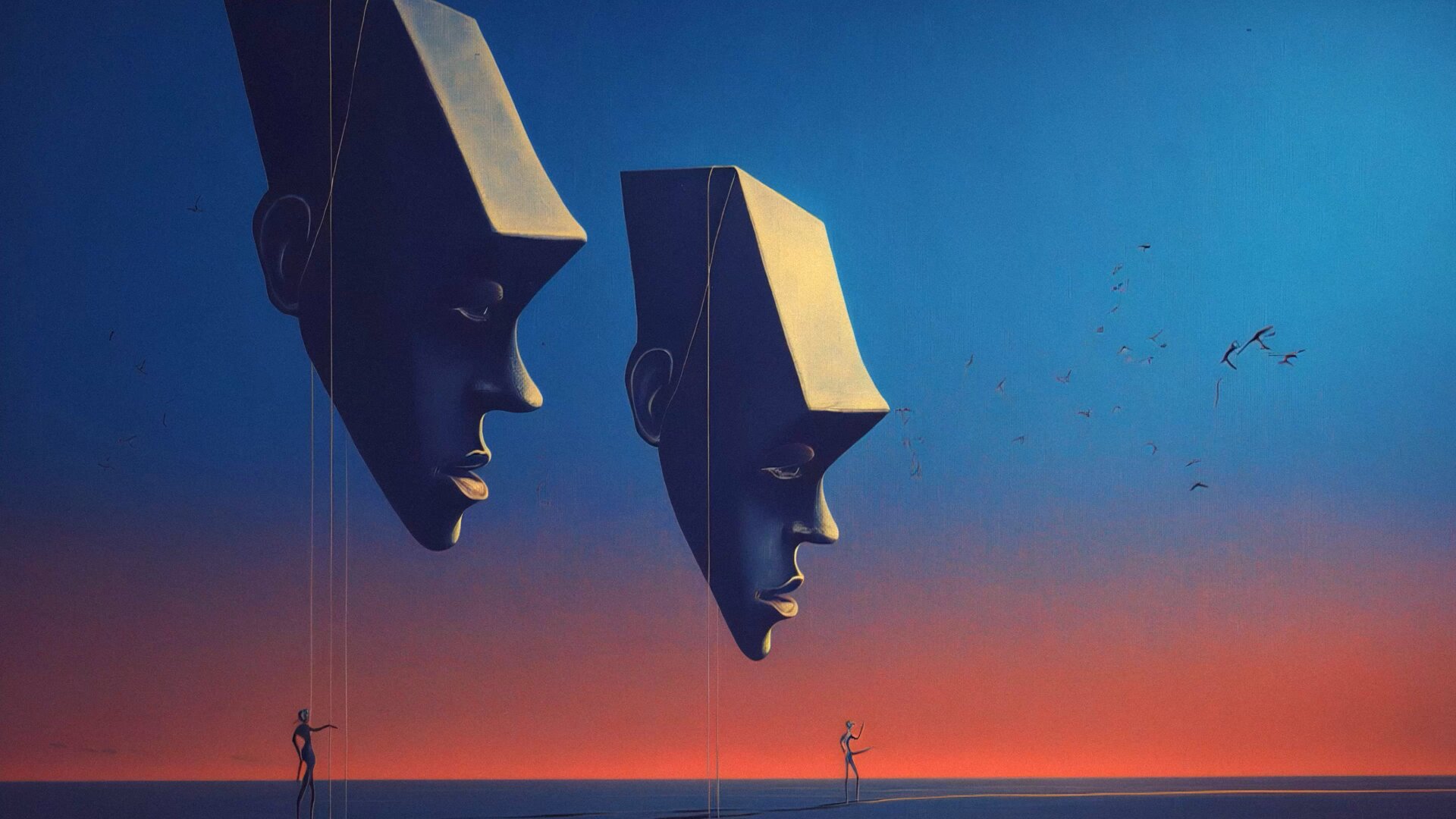
hazelrah.eth is a generative artist specializing in conceptual and experimental art endeavours, pushing the boundaries of time, place, memory, and existence
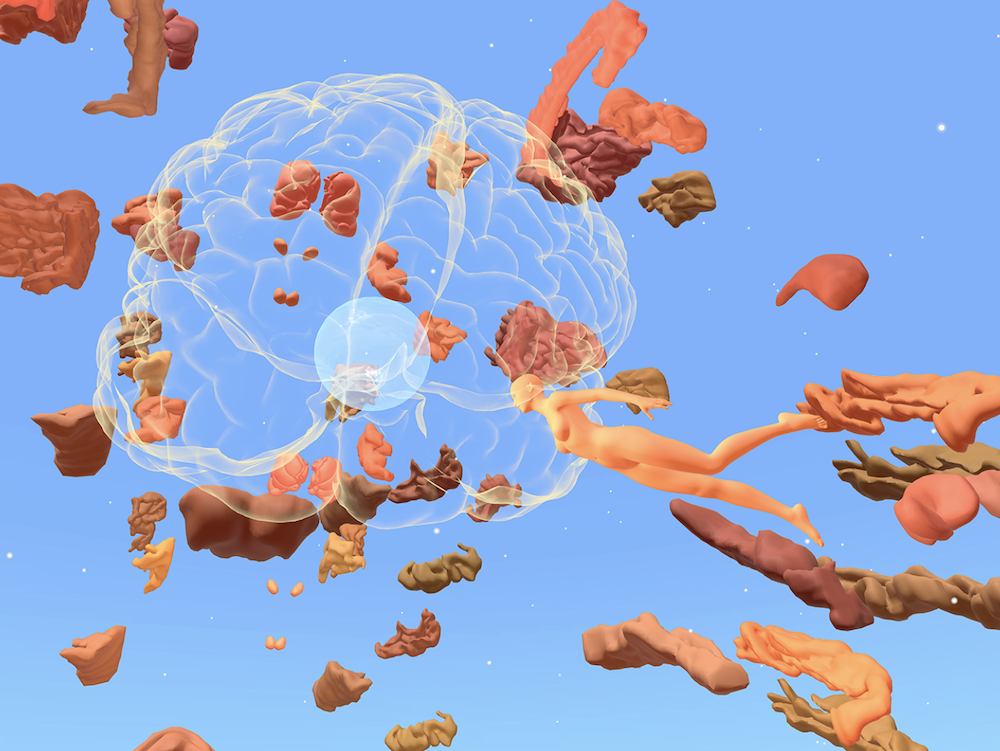
From the mid 1970’s, Allen was a rare female artist working in the early stages of computer art and digital technology

Ania Catherine and Dejha Ti are an artist duo whose collaborative practice, Operator, develops critical and conceptual approaches to experience

Danielle Brathwaite-Shirley works predominantly in animation, sound, performance and video games to communicate the experiences of being a Black Trans person

Chilean visual artist whose multidisciplinary practice bridges the boundaries between figurative and abstract art, exploring themes of memory, identity, and belonging
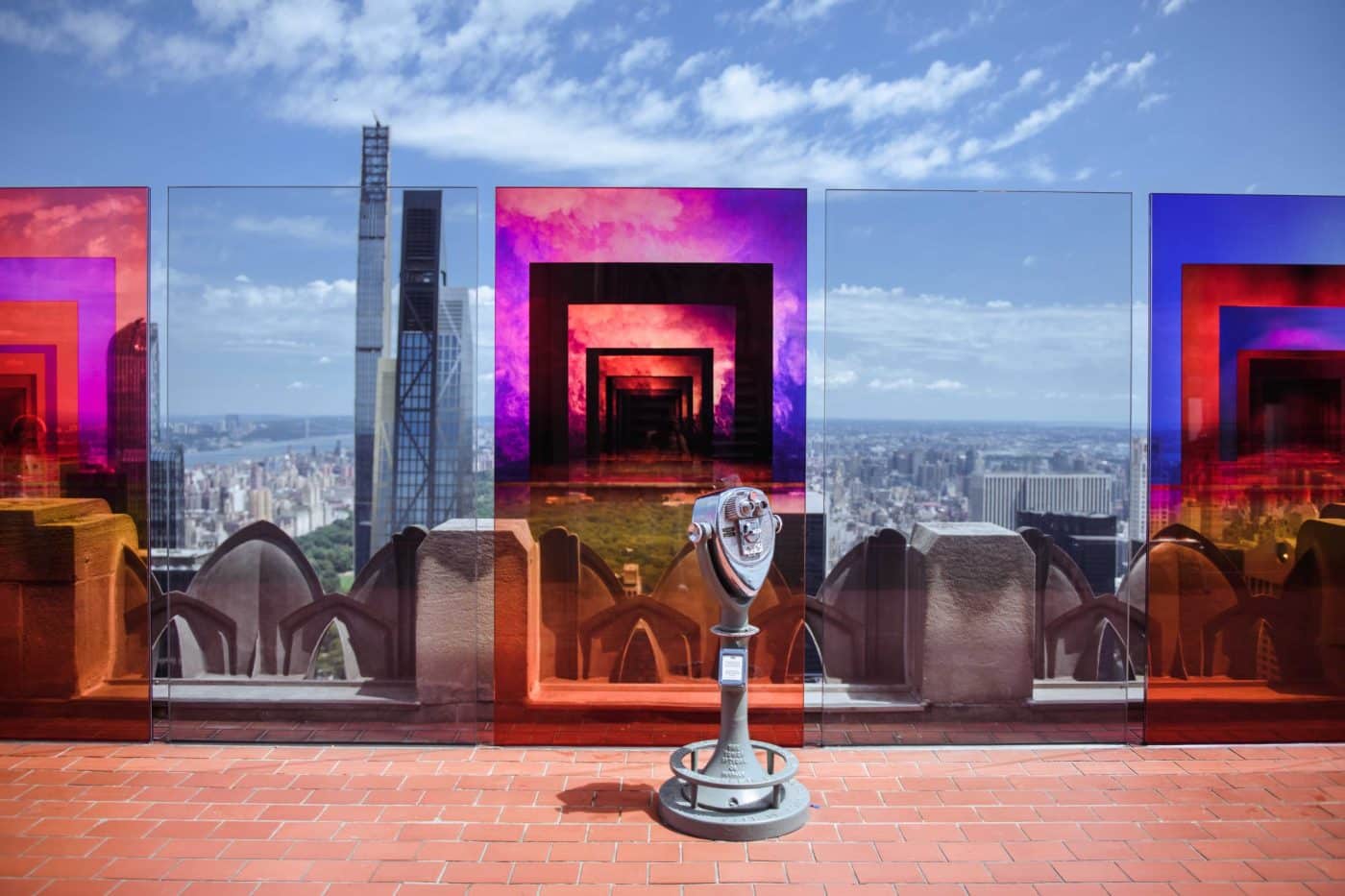
Sarah Meyohas is a conceptual artist whose practice considers the nature and capabilities of emerging technologies in contemporary society
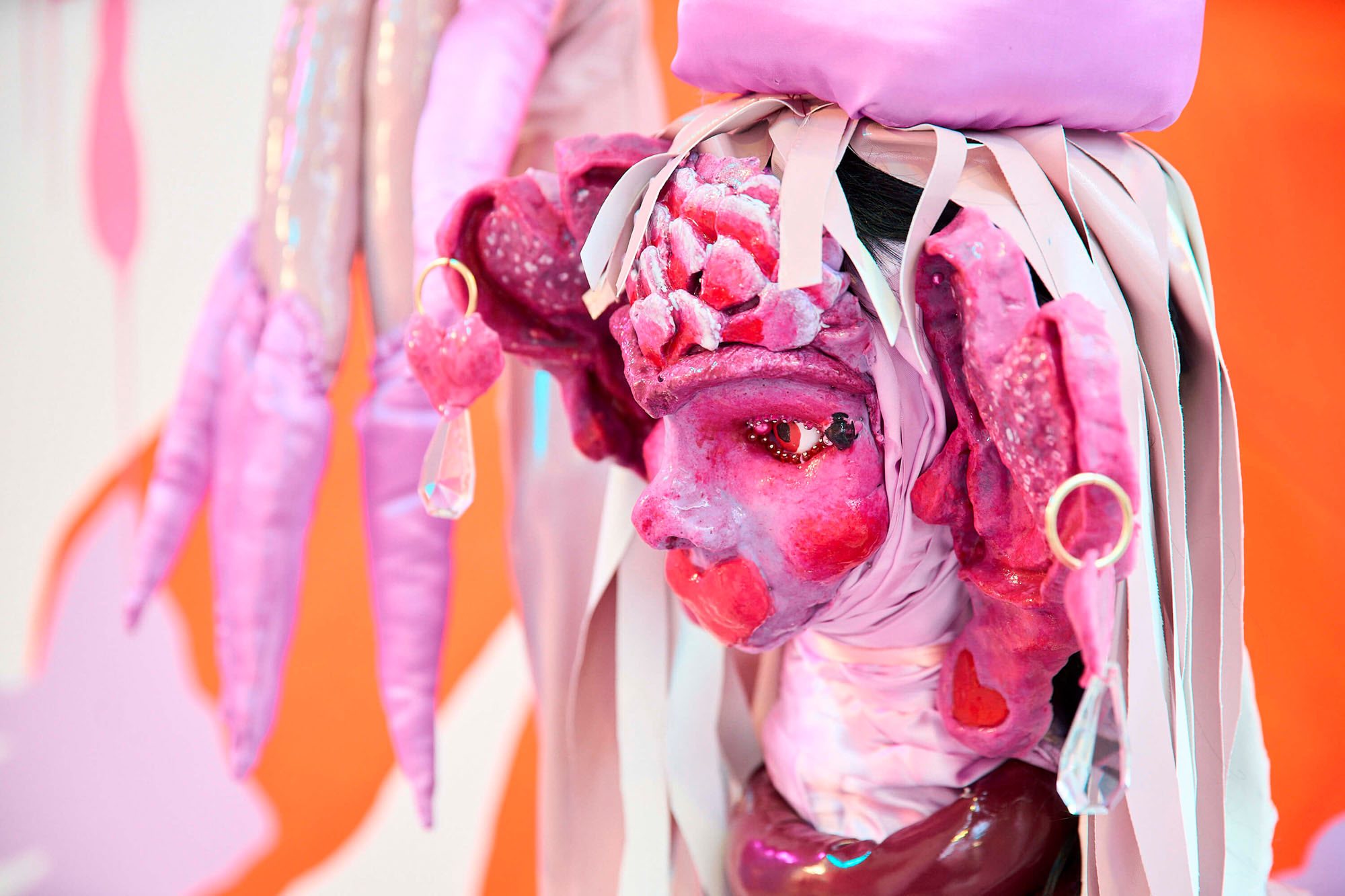
Through an introspection involving sound, digital and painting, Pauline Canavesio morphs to become one emotional entity, where sound is shaping the unknown and inexpressible.

Made a name for himself as an original contributor to the Rare Pepe card collection - and was one of the first artists to mint on Bitcoin’s Counterparty network.
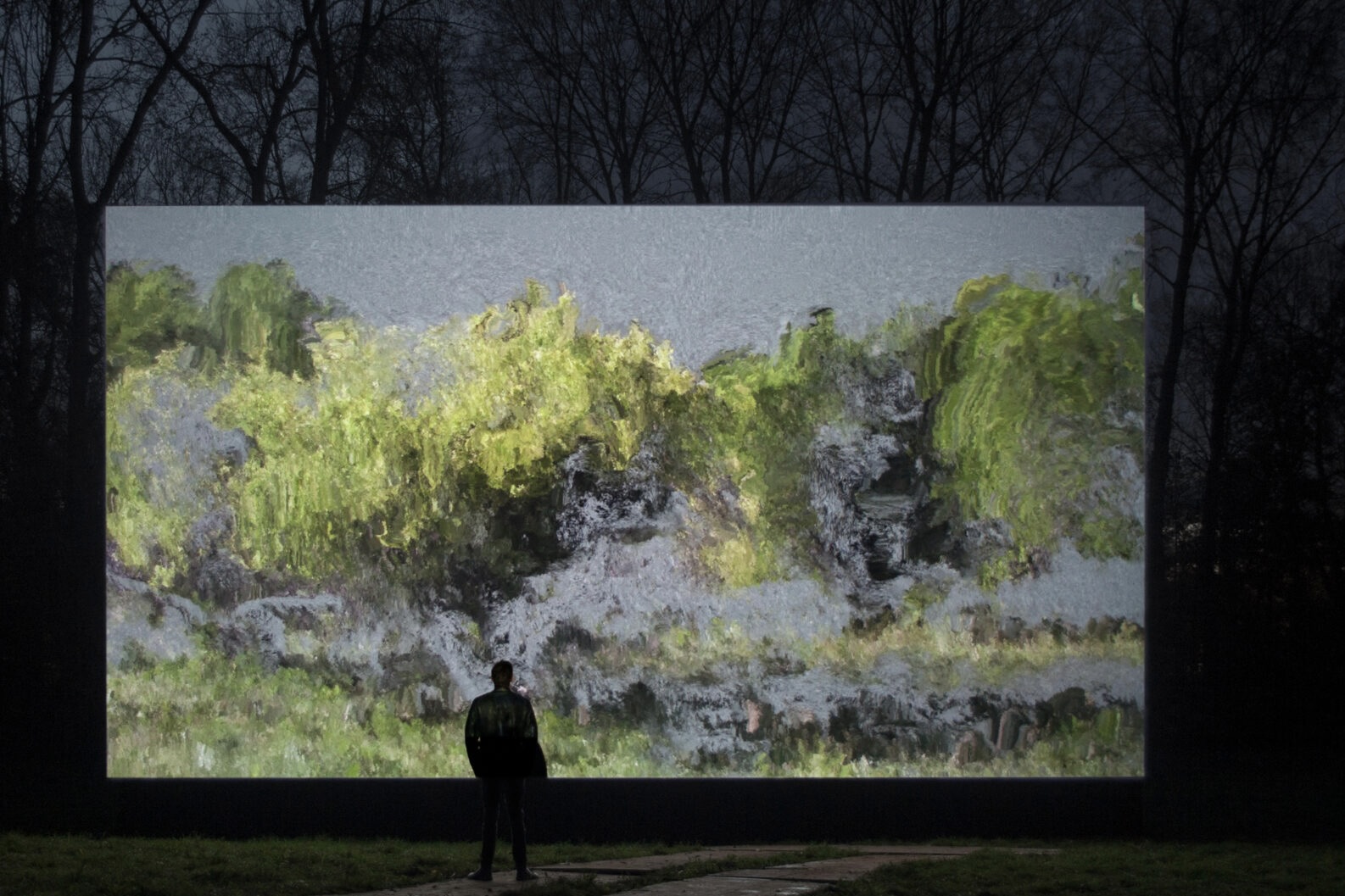
This artist employs technology as a lens to explore the tensions and equilibriums between seemingly opposing forces - the real and artifical, the old and new.
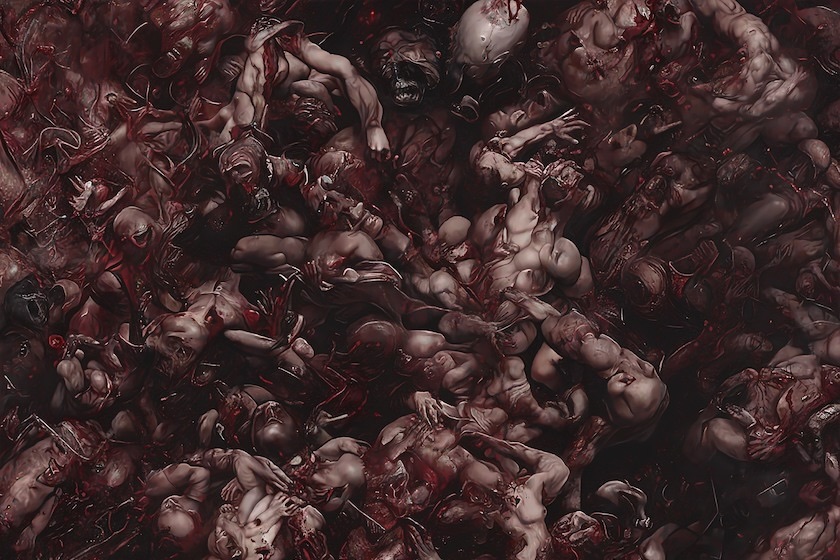
French hacker and artist, known for exploiting major platforms in order to push boundaries to enhance security while challenging perceptions of digital ownership.
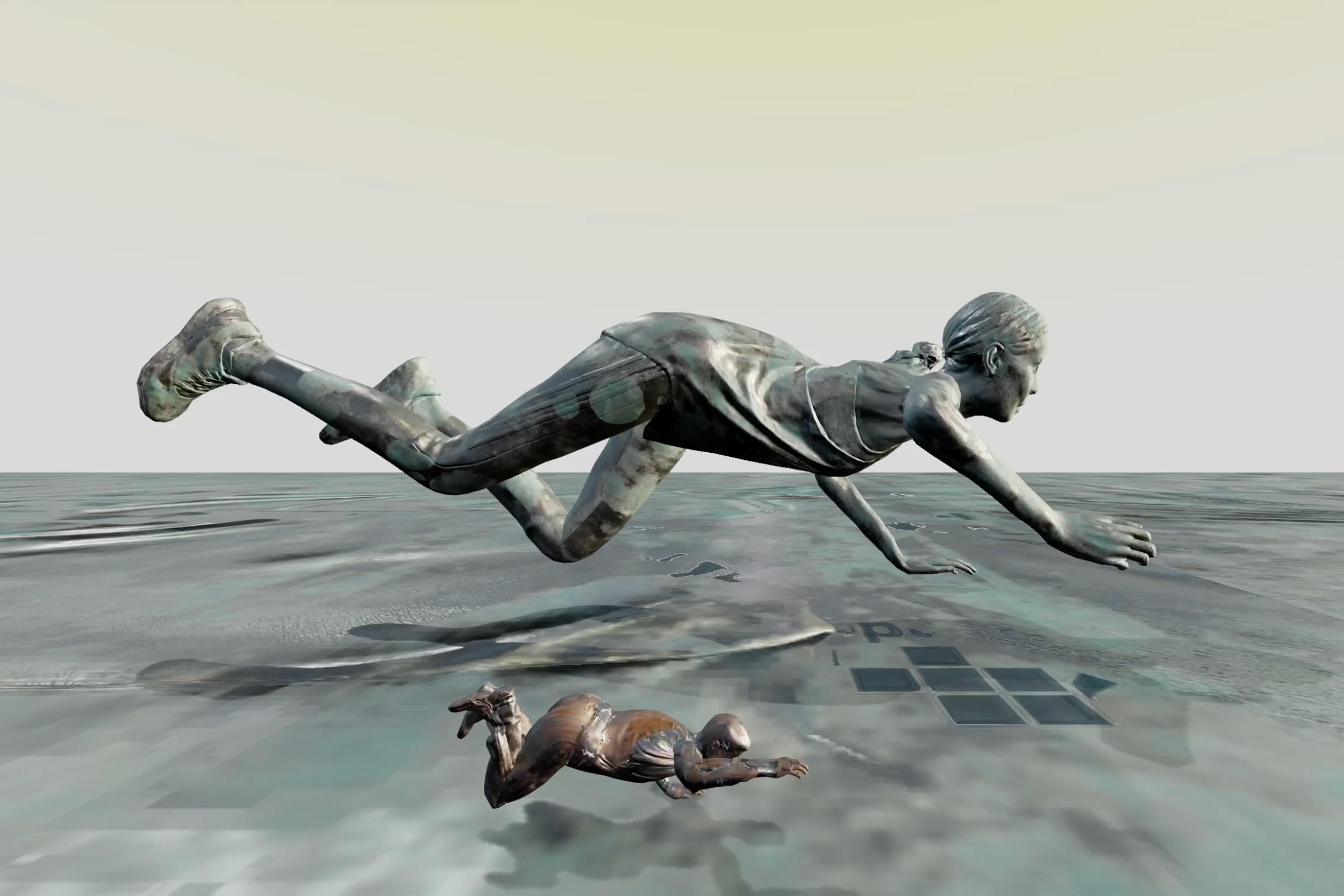
James Bloom (crashblossom) is a London-based artist who uses technological innovation to push the components of art into formats that generate new perceptual problems.

0xfff has a focus on coding and graphic design for screen and print, working primarily with culture and institutions.
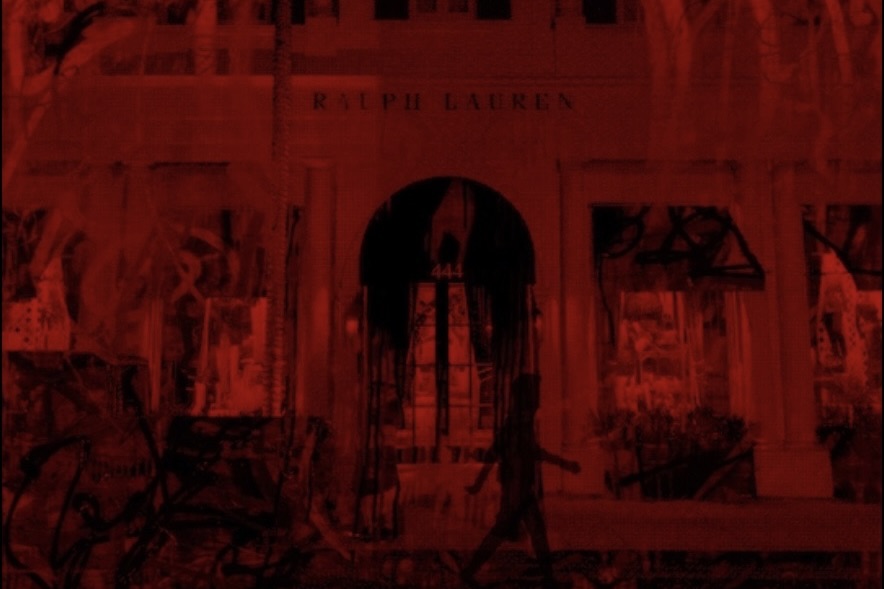
Multidisciplinary artist specializing in digital arts, merging digital media, graffiti, and code-based glitch work.
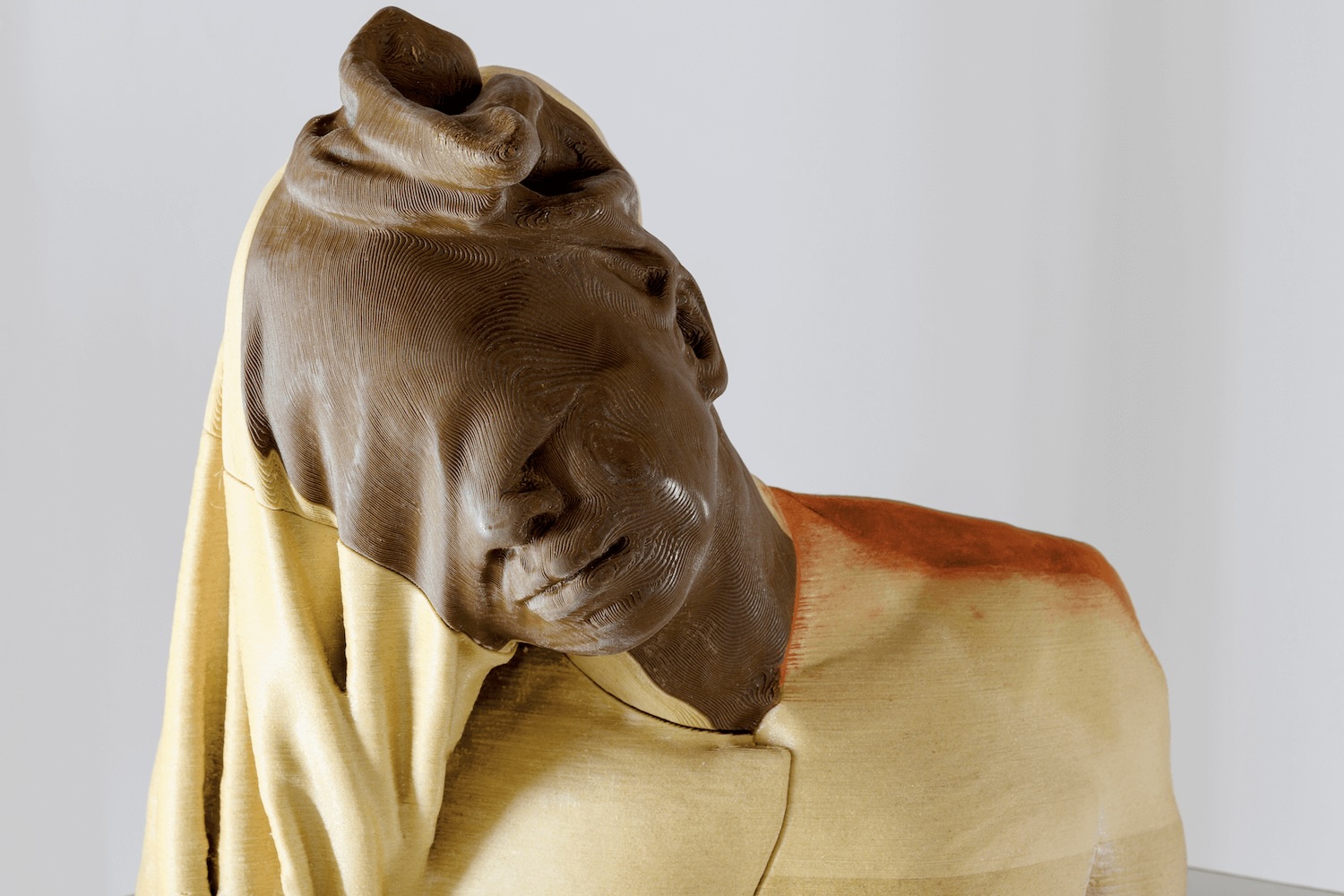
Auriea Harvey's practice encompasses virtual and physical artworks created with a blend of digital and handmade production.
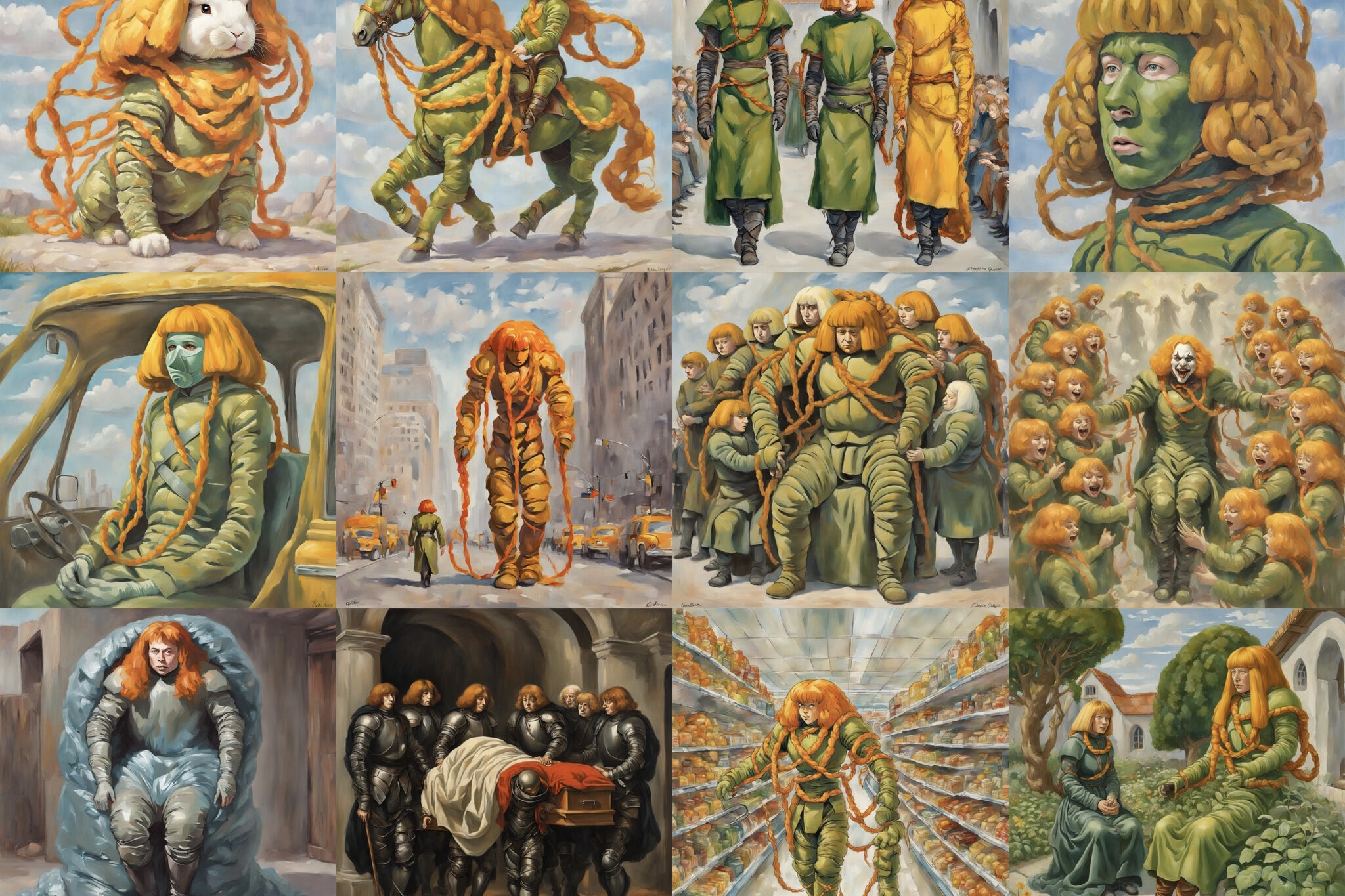
Holly Herndon, a Berlin-based composer and Stanford Ph.D. graduate, merges human voice, AI, and tech in her music.
%203.jpg)
Nam June Paik brought the television to fine art, treating it as a tactile and multi-sensory medium and object.

Memo Akten is a multi-disciplinary artist, musician, and researcher known for creating data dramatizations investigating the intricacies of human-machine entanglements.
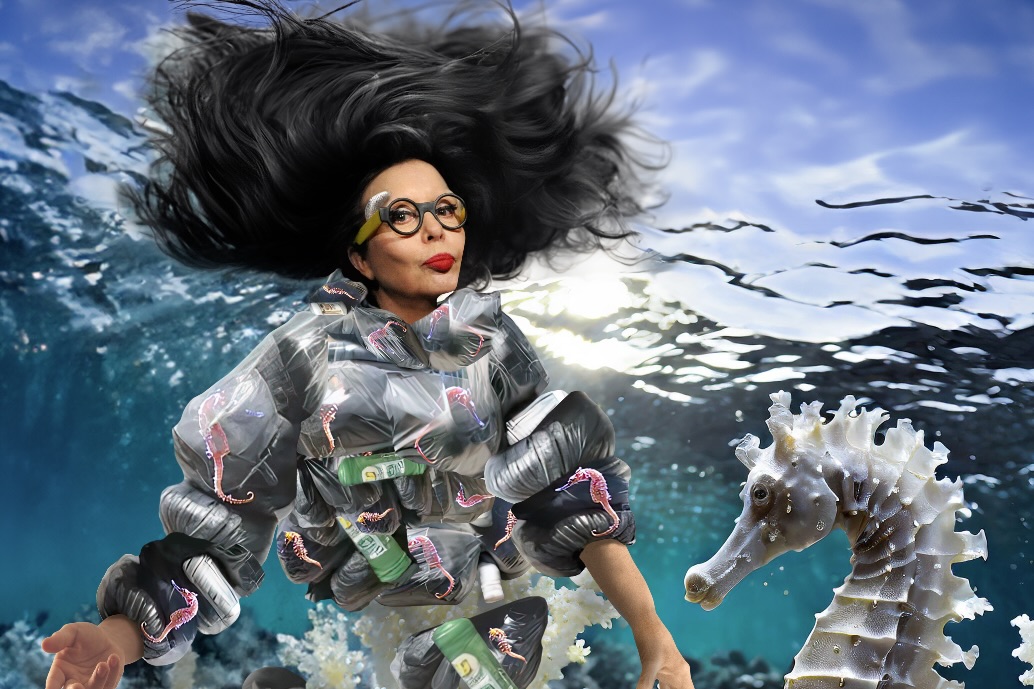
One of France’s most internationally acclaimed artists - and not tied to a particular material, technology or artistic practice.

Starting with open-ended concepts, this artist crafts evolving works by harnessing algorithms and code, allowing his ideas to unfold organically.

Generative artist who not only creates compelling fine art but also shares the evolving techniques around digital art, championing a deep respect for the history.
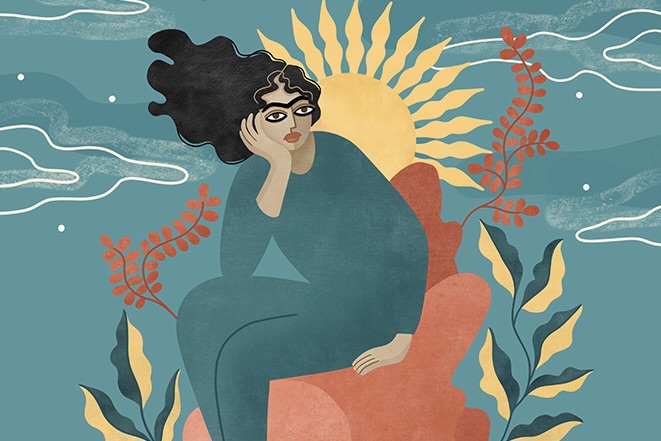
British-Iranian economist and illustrator, drawing inspiration from Qajar art, Persian miniature paintings, Islamic design, celebrating the unique beauty women.

Decentralized autonomous artist guided by its community, BottoDAO - which votes to shape it's evolving generative algorithm.
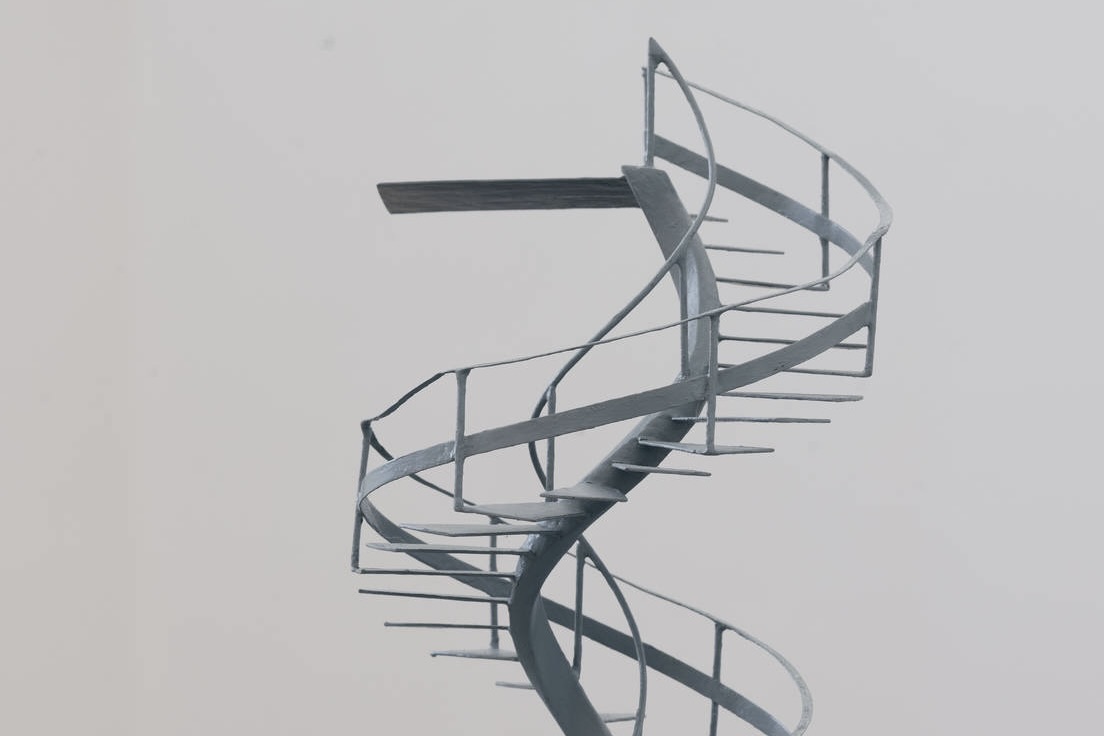
German-Filipino scupltor - exploring and scrutinizing economic, social and intellectual structures that are geared towards constant growth.
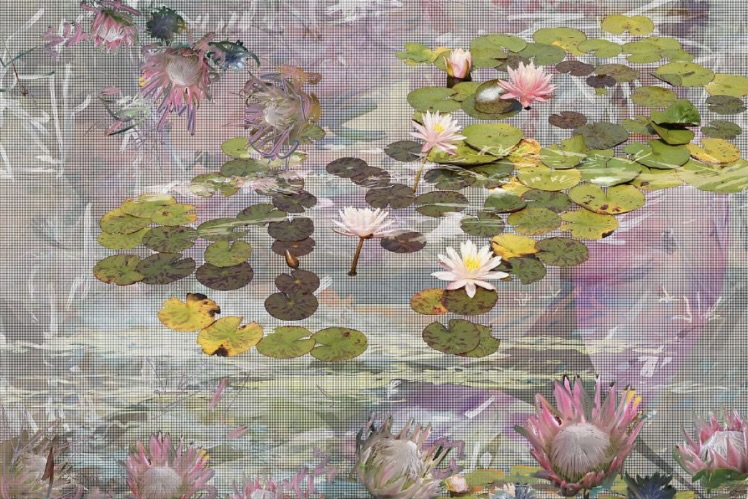
Los Angeles-based artist recognized for her innovative role in Net-Art and post-Internet art.

Computer artist and musician from Tehran, Iran with a background in environmental engineering sciences & experimental cinematic arts.
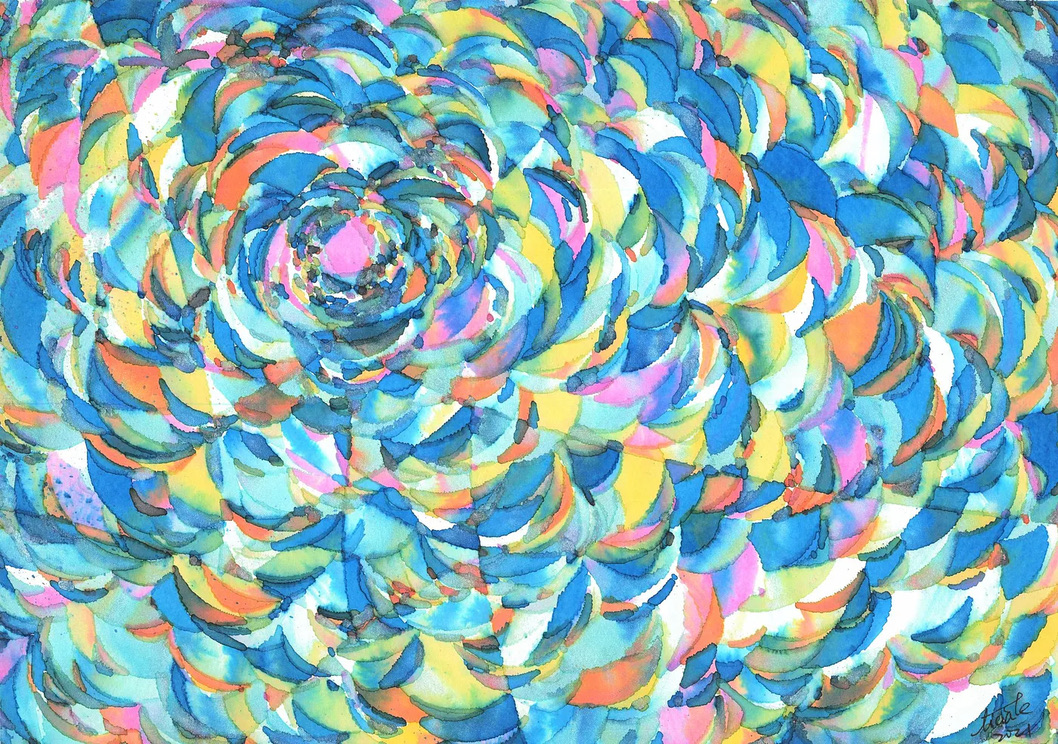
Generative artist and human-computer interaction researcher, blending visual art and technology to express emotion.
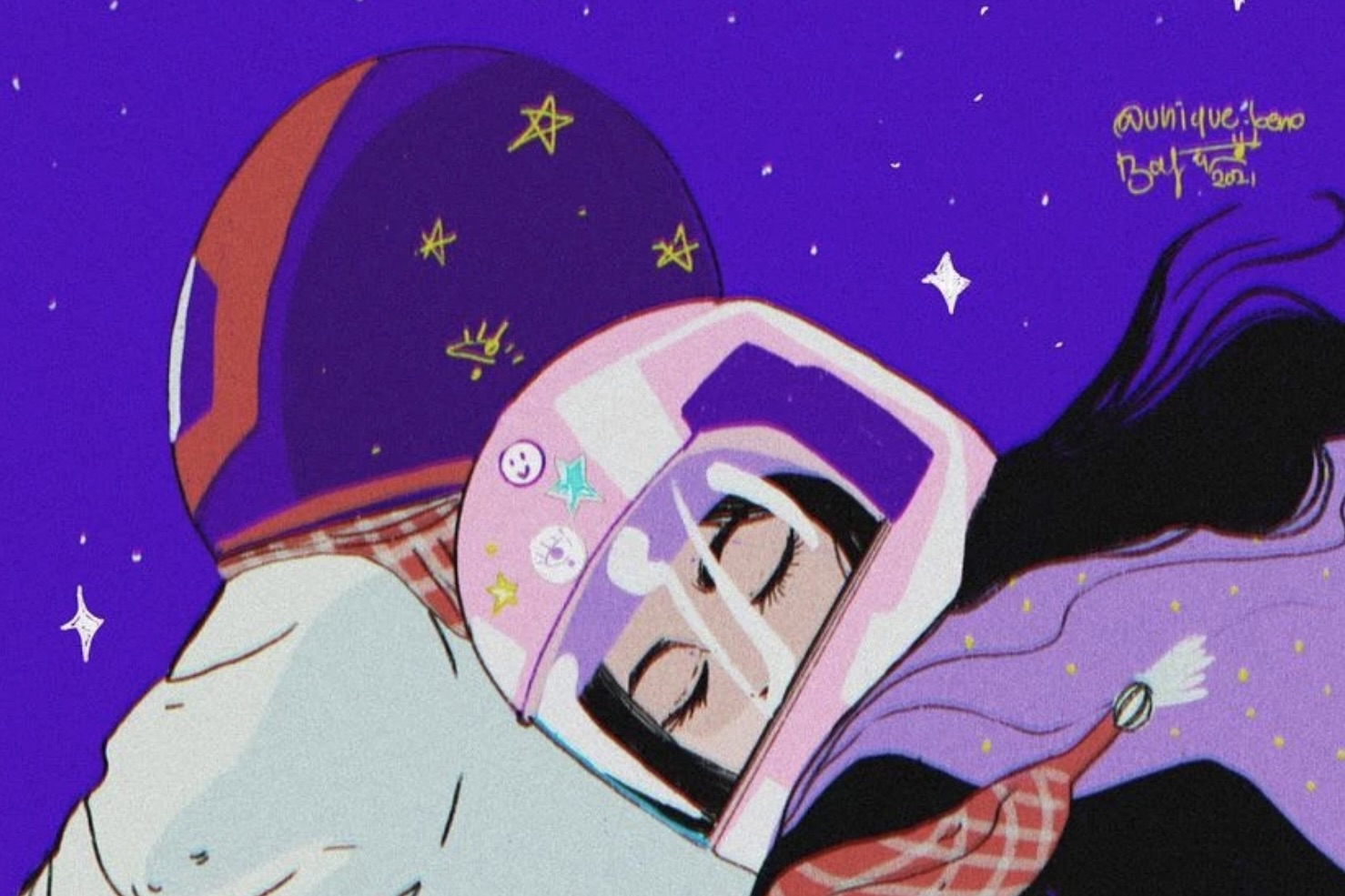
Jeddah-based Saudi artist whose work celebrates the beauty and complexity of her culture, drawing inspiration from daily life and family.
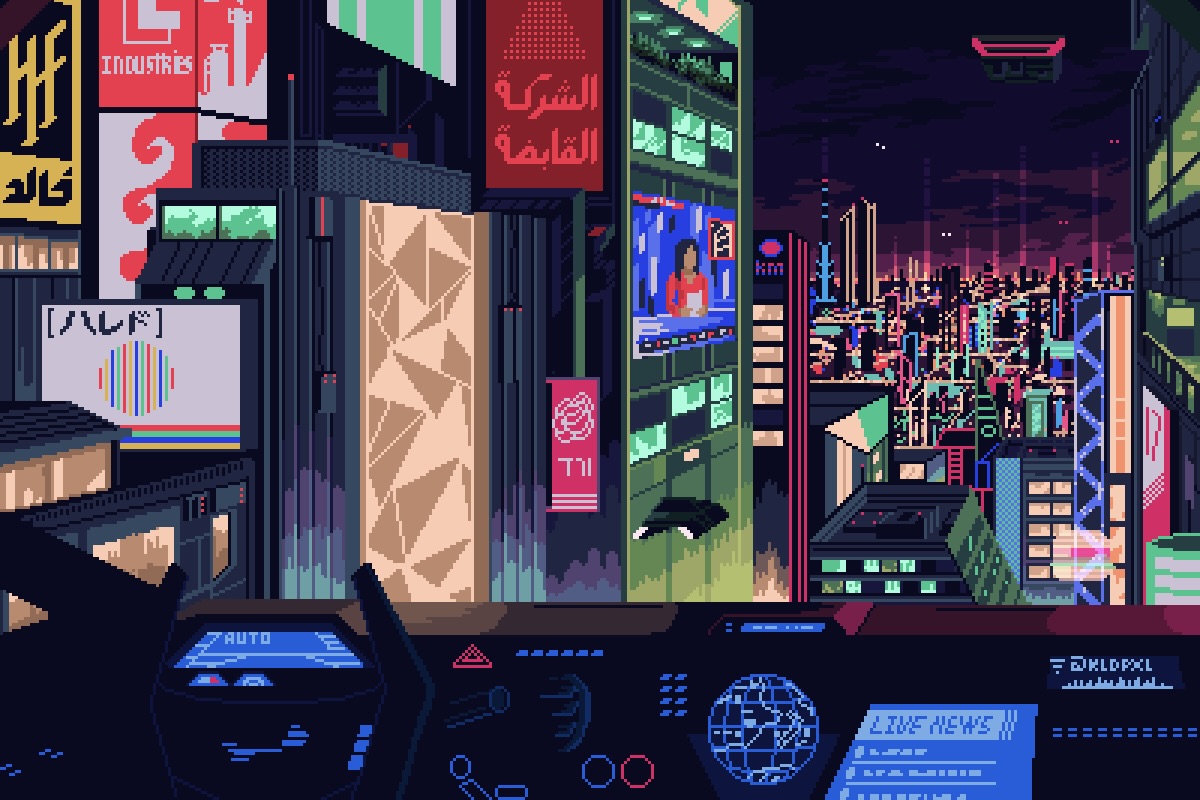
Highly acclaimed digital artist from Riyadh, has gained recognition for his expertise in pixel art.
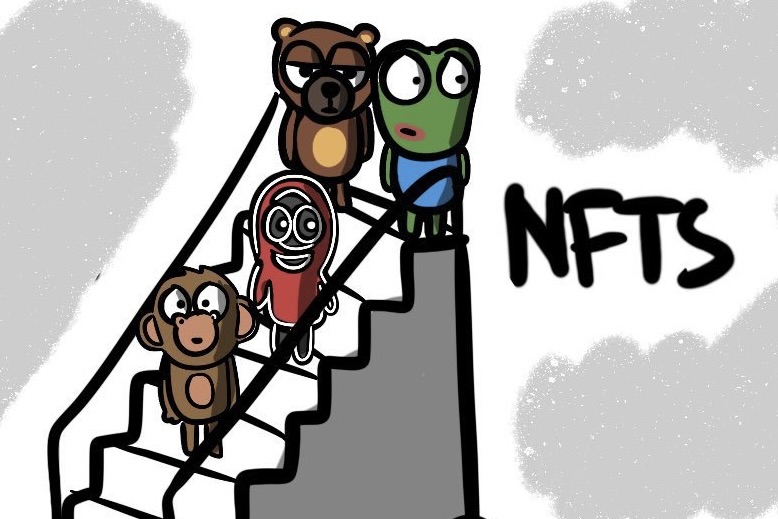
Australian illustrator known for his humorous, hand-drawn cartoons on crypto culture.

New York City-based artist and educator who creates interactive, code-driven artworks and experimental tools for drawing and animation.